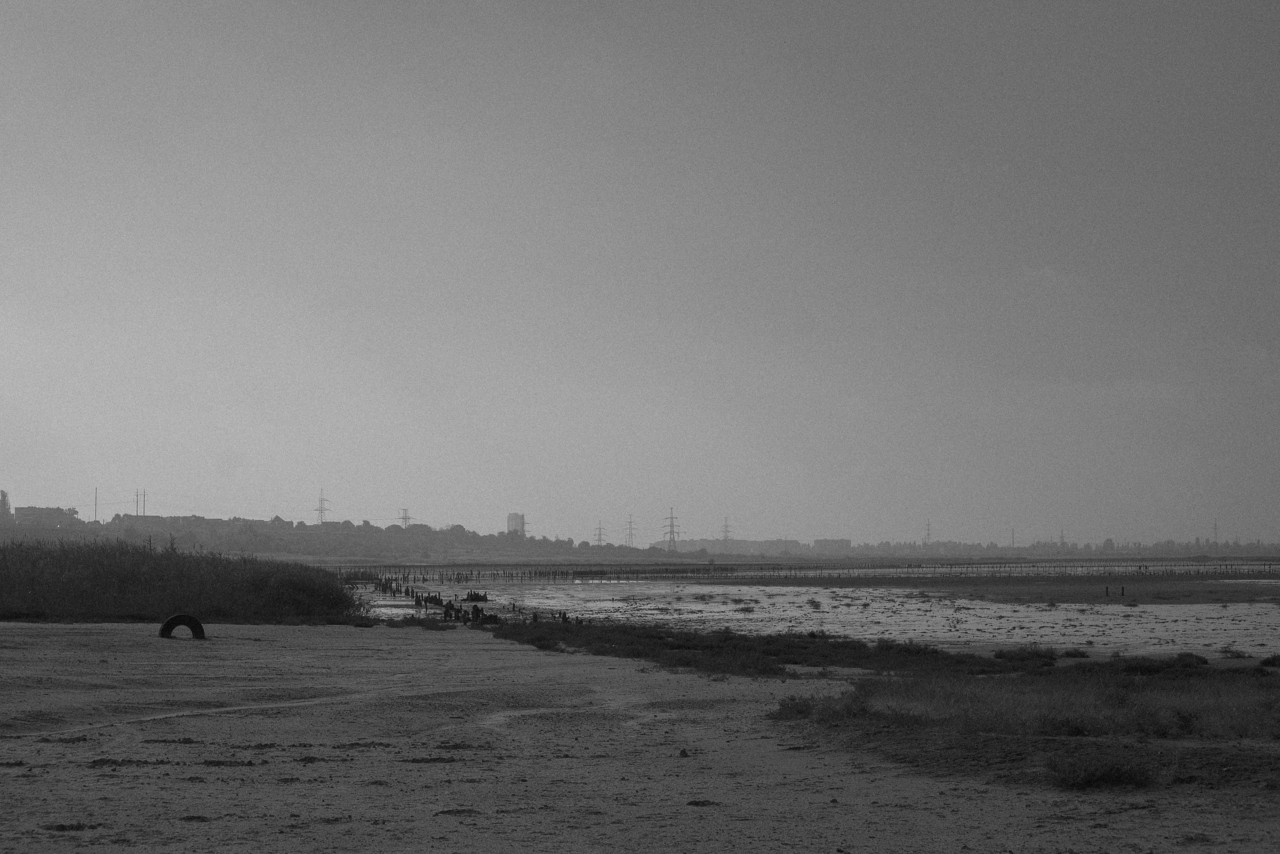
We – Elza Guvanova and Leon Seidel – met Heinali and Natalia Revko relatively recently; Heinali at an exhibition in Cologne in 2022, and Natalia on a train from Berlin to Kyiv in July 2023. Due to our mutual interest in sound, and also current focus on research and cultural mediation of sounds and sonic experiences in the context of war, we've kept in touch regularly. Be it through personal stories, collaborative projects, or artistic reflections, we each in our own way aim to share how sound can shape the experiences and memories of individuals living through war.
The concept and term belliphonic combines the Latin »bellum« (war/battle) and the Greek »phone.« Several of us became acquainted with the term in J. Martin Daughtry's book Listening to War: Sound, Music, Trauma and Survival in Wartime Iraq, where Daughtry describes, analyses, and presents a theoretic framework to discuss the soundscape of the US military intervention in Iraq and its impact on military and civilians. As the substantive and descriptive parts of Daughtry’s book are based on field research and interviews that he conducted with US soldiers on the one hand, and Iraqi civilians on the other, his work managed to render immediately and acutely what it is like to experience warfare sonically and, at the same time, deeply humanises the stakes of research into wartime sonic realities, and individuals’ experiences of these. To quote Heinali: »The sounds of warfare become deeply embedded in the individuals’ bodies, influencing their actions, reactions, and overall mental states. Constant exposure to these sounds — such as explosions, gunfire, and sirens — creates a unique auditory experience that shapes the psyche and body of those who have to endure it.«
Understanding War Through Sound
I, Leon Seidel, turned to the medium of sound to explore the realities of the war against Ukraine. I chose to work with sound instead of image so as to tap into the imaginative, immediate, and uncontrollable qualities in sonic perception. I wanted to communicate the realities of war to a Western audience from a different perspective than that of the mostly image-based and somehow emotionally abstract media coverage. Sound can truly affect people on a deep level, relaying situations that can be almost impossible to grasp if you haven’t experienced them yourself.
I found pivotal inspiration guiding my work with sound in the book Sounds of War and Peace: Soundscapes of European Cities in 1945, published by Peter Lang Verlag. It is a collection of papers and essays examining the auditory landscapes of European cities during World War II. Given the obvious absence of smartphones or other mobile recording devices during that era, the studies relied heavily on diaries as primary sources, documenting shifts in urban soundscapes or specific acoustic events. During a residency at the Institut Avtomatyky in Kyiv in July and August 2023, I further developed a questionnaire inspired by Carolyn Birdsall’s paper »Sound Memory: A Critical Concept for Researching Memories of Conflict and War,« which I then used to interview Ukrainians from the cultural and artistic community in Kyiv and Odesa, publishing these under the title Imagined Cities.
Below is an excerpt from an interview with Oleksandr Naselenko in Odesa in August 2023, wherein he recounted his auditory memories from the beginning of the invasion:
»Silent. It was silent. It was truly the first time in my life that I felt such a deep connection to Odesa. It was as if nothing was separating me from the city. I could see the empty streets, the architecture, and the cats [laughing]. Since I work in the visual sphere, I could almost hear the things I saw; it was just incredibly vivid. At the same time, the sound of the air raid sirens was quite unsettling.
I also remember quiet moments. I had moved into my friend's apartment, where we lived with a few other friends. So, we formed some sort of a squad during the first few months of the invasion, and it provided us with a sense of solace. I remember the conversations we had there. We had a couple, Vitya and Diana, living with us, and sometimes I would overhear parts of their conversations or just some mumbling. Strangely, it was comforting to know that someone was having these couple conversations, even if they had arguments.
Then, some news would filter through because we were constantly online. Almost simultaneously, from different rooms, someone else would mention the same news. It felt like we were in a mediaeval square where you had to shout out the news, and everyone would react and discuss it. Then, we'd step outside to smoke. It was early March, and you'd expect to feel the spring arriving. You'd sense it and even hear some birds singing in the late hours—you know, those late birds. But then you'd also hear the air alarm. That's when you'd become aware of every sound around you. You'd notice a distant explosion, or, for instance, we lived near the port, so we'd hear the rumble of a train passing through. We'd think, ›What the hell is that? Are we under attack?‹ But then it would become clear; it was just the train moving through the port. So, each explosion took on immense significance for us. Now, it's not like that anymore. You hear the explosion, and then you have a conversation about it, about the character of the explosion, how it sounded.
At the beginning of the invasion, official and internet communication through telegram channels wasn't as advanced as it is now. The news was sometimes confusing, and this form of social media information-sharing was still in its early stages. You had plenty of time for your thoughts before learning what actually happened. You'd wonder what that explosion could be. It's strange, but I remember those times well because it was a period when everyone felt really close to each other. You'd receive messages asking, ›How are you doing?‹ and countless people would reach out. Now, it's not the same anymore, which is understandable, of course.«
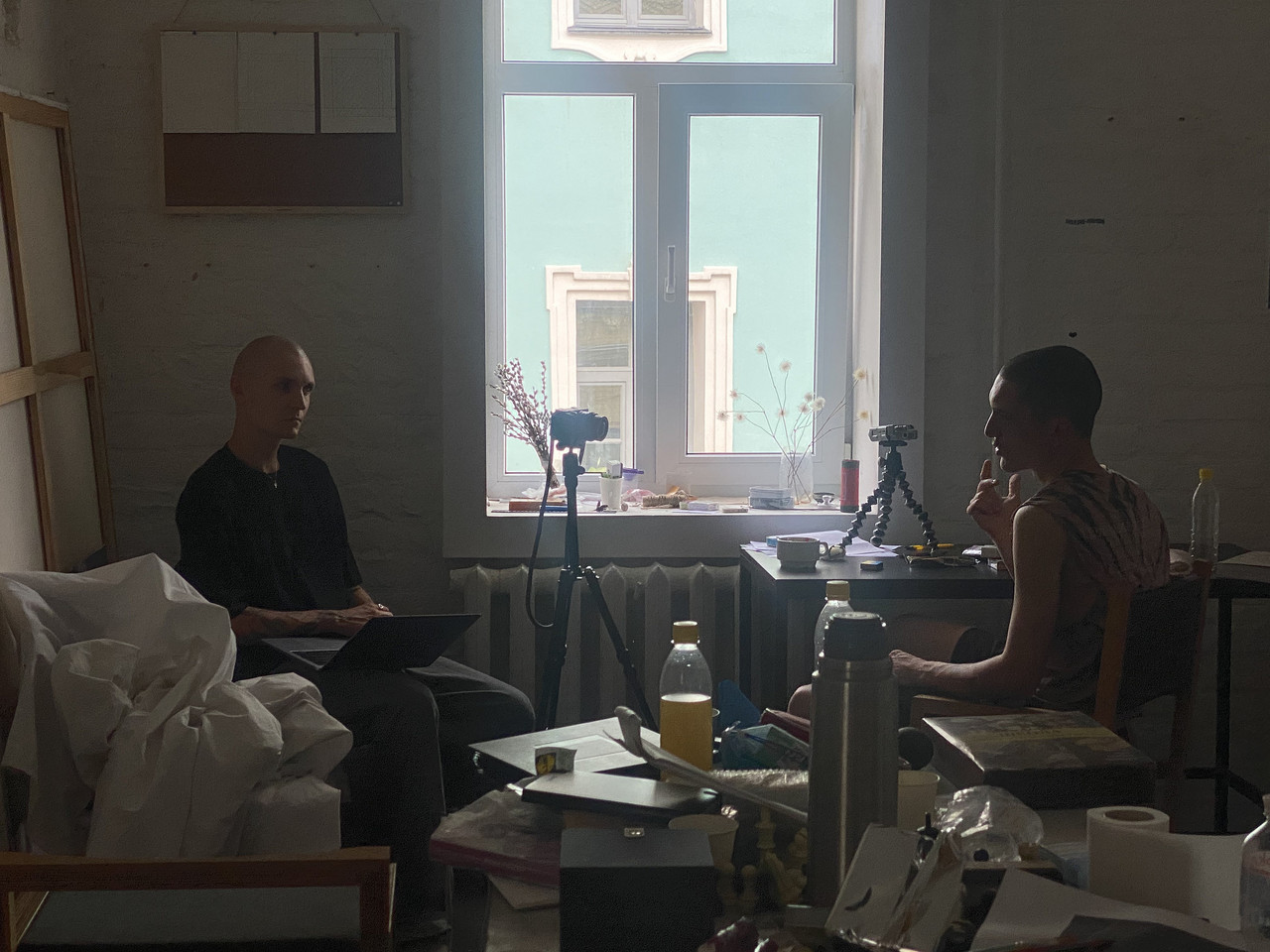
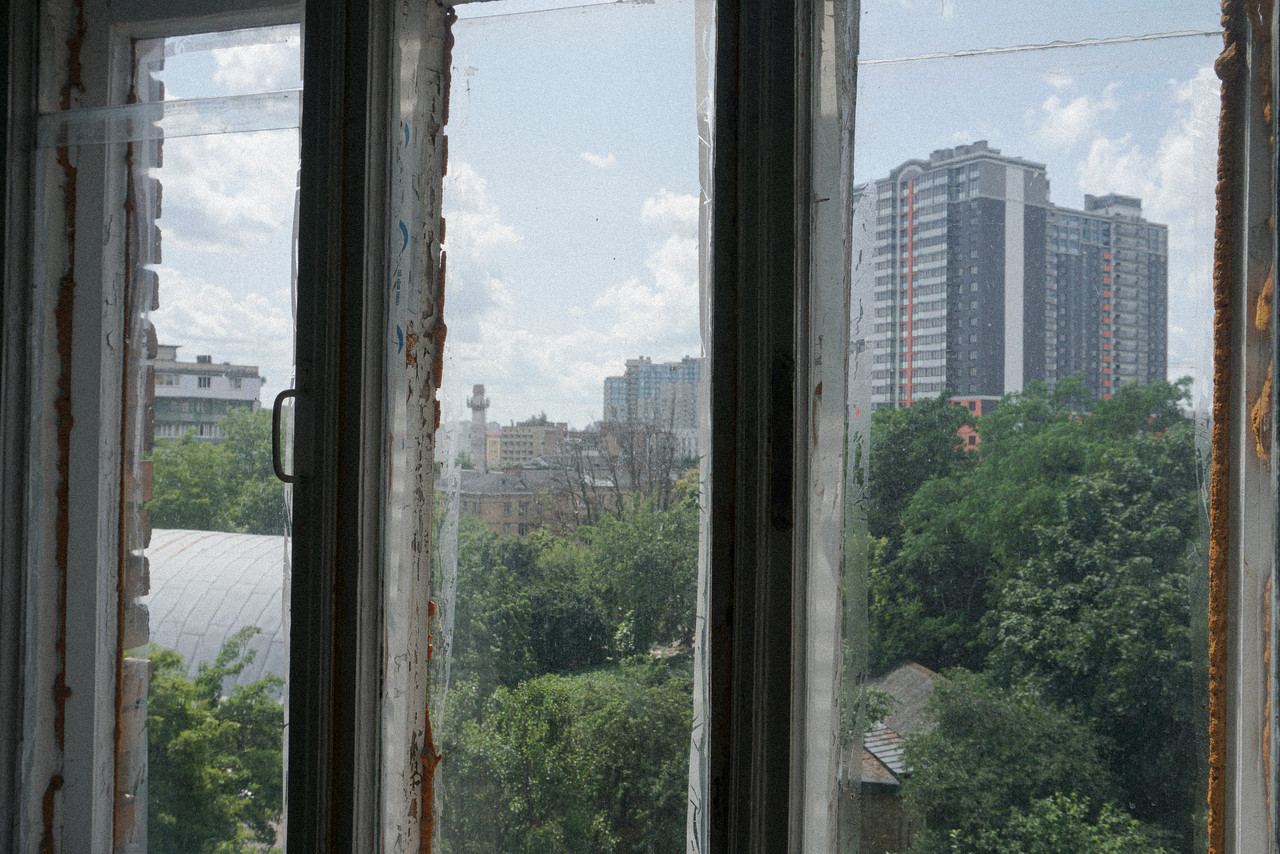
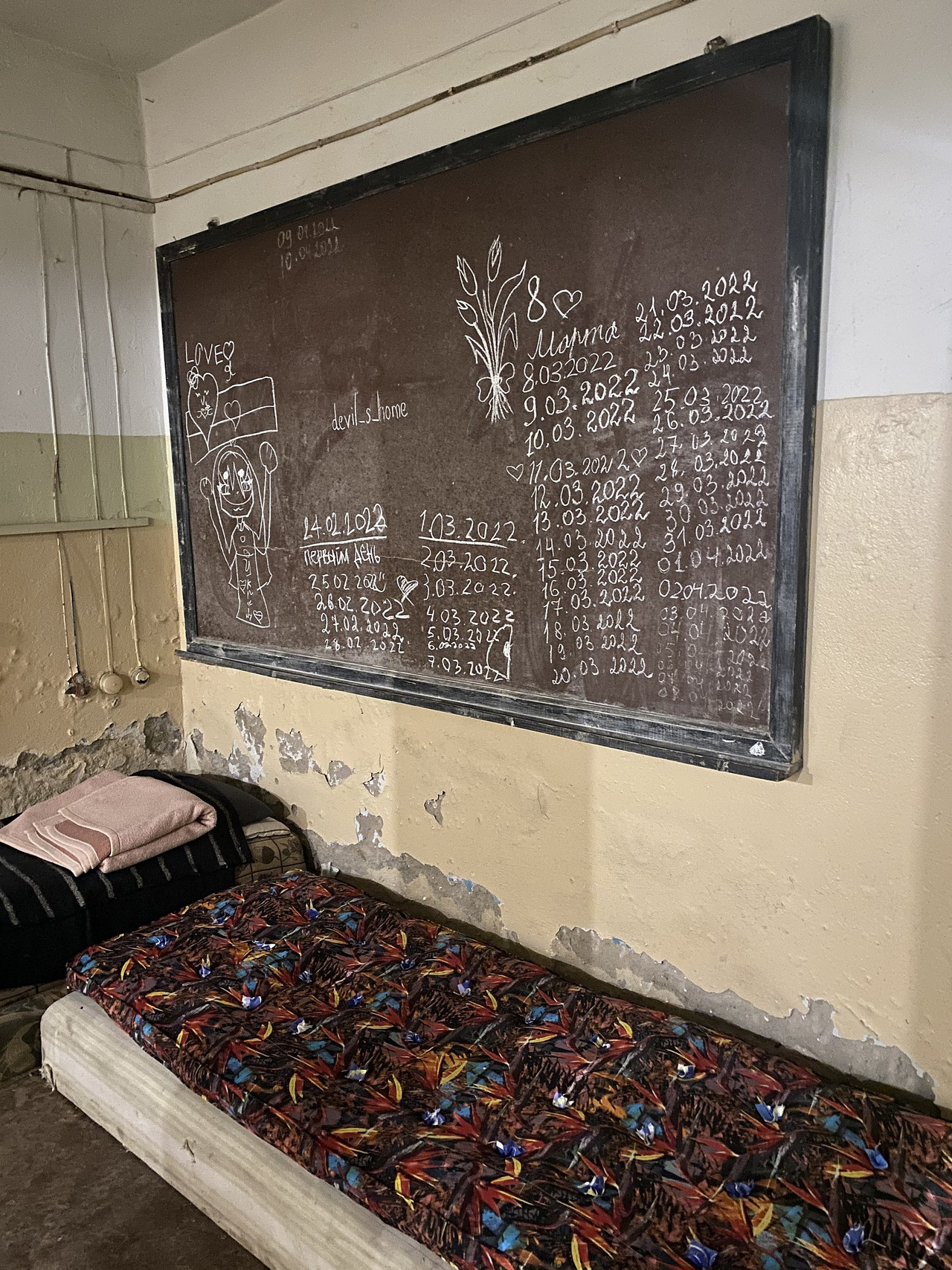
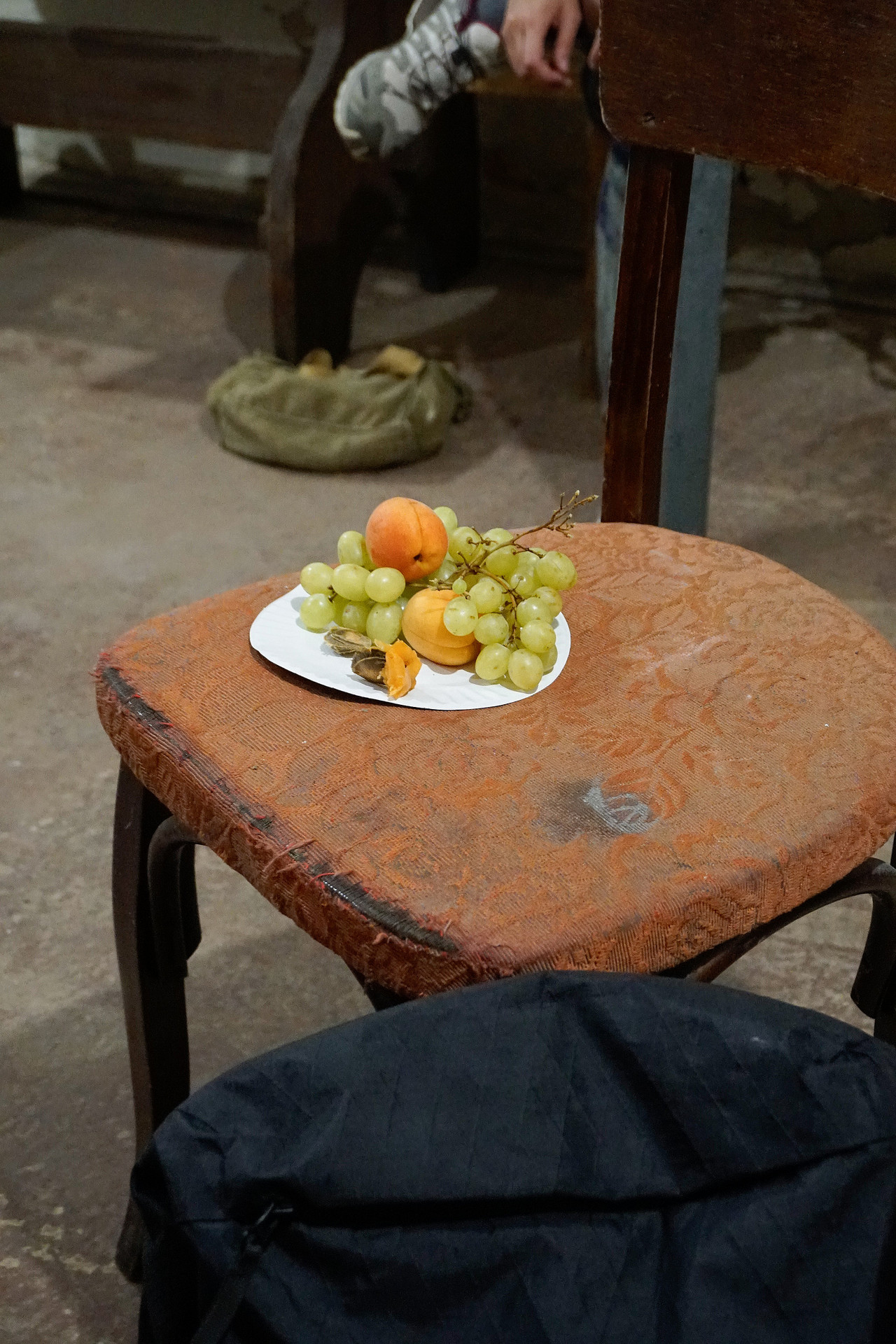
One of the most intriguing aspects that emerged from my interviews, particularly in the initial stages, is the emphasis placed on silence and quiet moments rather than explosions. The early interviews and also sound submissions that people sent in to an open call that I organised with my collective, Óstov Collective, featured mostly recordings of birdsongs, tranquil environments, or recordings capturing human voices, singing, or conversations, with minimal occurrences of explosions but a prevalence of sirens. Conversely, submissions from the latter period exhibited a surge in recordings capturing explosions and a decrease in nature sounds or silence. Notably, there was also an emergence of recordings reflecting the experiences of the new Ukrainian diaspora in Europe in the second period of the open call, for example a recording of someone learning a new language or the participation in protests.
The crucial role of sound in survival and maintaining daily life during wartime also became apparent through the interviews. As seen above, Oleksandr Naselenko’s initial recollections centred around serene moments on his balcony at the beginning of the invasion. Yet, over time, his focus shifted to describing discussions about explosions with his friends — an inevitable consequence of repeated exposure. Distinguishing between the types of explosions became crucial, to the point that deciphering sound assumed a pivotal role, akin to learning a language.
Myself, I vividly recall a moment in Kyiv when an alarm sounded. I was seated on the sofa with the opened balcony door, and I found it odd hearing all the dogs barking. Suddenly, there were two explosions, and I instinctively leaped up. Elza was still in the bathroom at that moment. I rushed to the door, urging her to come out, and then we left the apartment to take shelter in the hallway. There, we met our neighbours — a family with a child — and we sat together in the hallway, wedged between apartments. Eventually, a man arrived, returning from his workout, and upon seeing us, he casually remarked, »What are you doing? It was just our air defence.« Looking back, it's almost comical. At that moment, I marvelled at how this man understood the sounds so well that he could go jogging without fear.
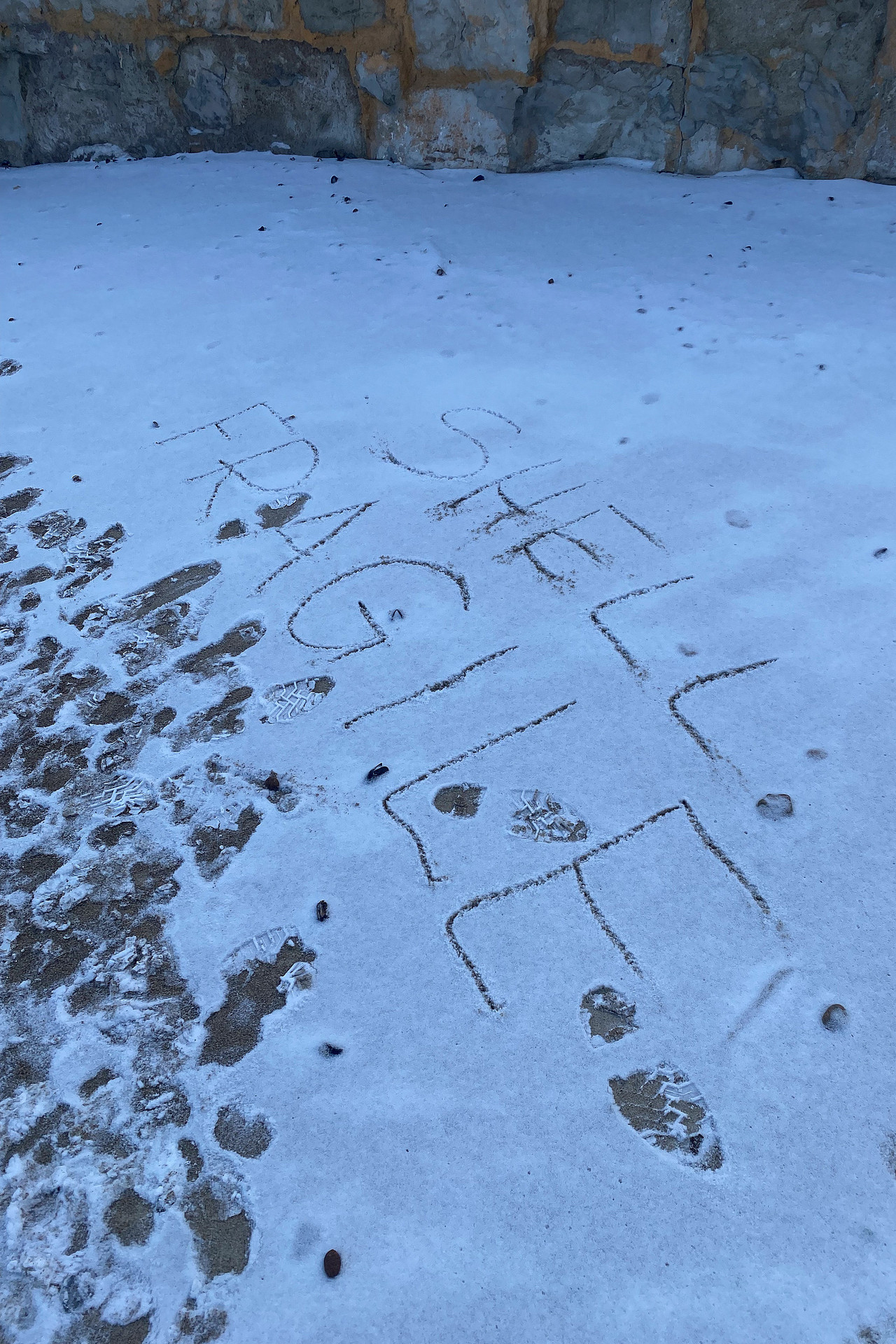
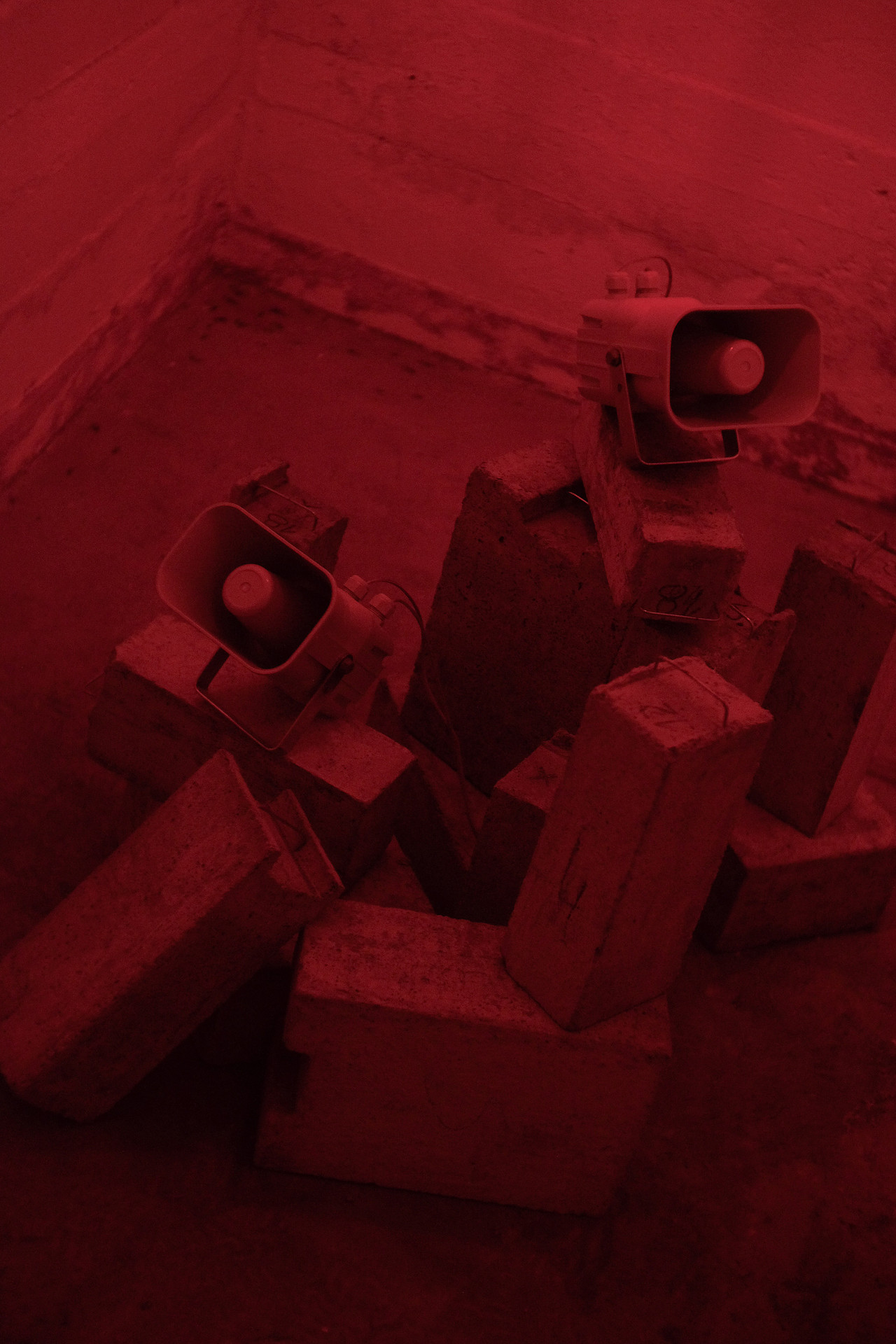
Aside from how the auditory environment and personal understanding of sound can change over time, it’s also interesting to consider changes in location. For example, Natalia Revko, who had left and then returned to Ukraine, recounted a constantly changing relationship to her sonic environment. Here is an excerpt from my interview with Natalia Revko in Kyiv in July 2023:
»I remember that when I arrived in Gdánsk, a city where there were of course no signs of war, it was a very strange feeling. As I took my first steps from the train platform, I heard the peaceful sounds of seagulls, cars, and civilian planes. It was quite unusual.
However, I think due to the stress I was under, my sensitivity to sound became heightened, even in safer places. I found myself becoming fearful of sounds, and the charm of everyday noises, like the ones now coming through my window, felt eerily close to explosion sounds, even though they were coming from a distance. So, even while I was outside of Ukraine, I remained constantly cautious.
For me, this heightened attention to sounds continued, and I couldn't stop being vigilant. Quite quickly I returned to Ukraine in May, and spent a few months there. It was a completely different experience, and I found myself constantly moving between these different experiences. It was as if I couldn't fully adapt to being outside of Ukraine or inside it. It created a very strange overlap of different worlds, including the world of sounds.«
Remembered Sounds: Documenting Personal Soundscapes of Wartime Ukraine
In 2022, Natalia Revko co-curated the sound streaming project Land to Return, Land to Care with colleagues from Ukraine (Past/Future/Art and Museum of Odesa Modern Art) and the UK, resulting in a collection of personal artistic sound contributions that can be accessed via the project website or Acoustic Commons. She collaborated with Soundcamp, an organisation that developed the streambox, a compact device capable of transmitting sound online in real-time via a mobile internet connection. As part of the project, five streamboxes were distributed to Ukrainian artists, aiming to cover a broad geographic range within the country, including cities such as Dnipro, Kyiv, Lviv, Odesa, and Uzhhorod.
Despite providing all artists with the same equipment and collectively discussing their methodologies during a preliminary workshop, each artist ultimately established their own framework for streaming. Ivan Skoryna, for instance, decided to reenact his experience of volunteering during the early days and weeks of the full-scale invasion. He helped the territorial defence in the Kyiv region by spending hours digging trenches. For his sound performance, Ivan returned to the same location where he had once spent roughly eight hours digging trenches. When introducing his contribution, Ivan remarked: »Currently, the Kyiv region is completely unoccupied, I am no longer involved in volunteering, and the unit we helped with was sent to another region. But that practice of digging trenches remains with me as a fresh memory. Now [for this recording] I want to return to it for one day.«
Ivan Skoryna – Digging Day
Ivan Skoryna – Digging Day
For Revko, this project was a way to employ different techniques and media to present and narrativise her own experience. »I encountered an insightful term while reading the book Sounds of War and Peace, specifically in the article ›The Sounds of Warsaw in 1945: Witness Accounts‹ by Katarzyna Naliwajek-Mazurek. She writes about the interconnection between sound and trauma and points out that ›remembered sounds [...] constitute elements of multi-layered landscapes of survivors’ memory.‹ Revisiting literature connected to PTSD and dealing with its consequences through the narrativisation of traumatic experience, she concludes that ›sound memories may become the fuel of such positive processes, which can be observed in the biographies of interviewed witnesses who lived through such challenges resulting in their experience of cataclysm.‹«
Revko is also fascinated with how sonic environments within regions at war may also evoke feelings of safety. One of the artists participating in her project, Kseniia Janus from Donetsk, has experienced internal displacement twice — first relocating to Odesa in 2014 due to the war in Donbas, and then to the western city of Uzhhorod in 2022 due to Russia’s full-scale invasion of Ukraine — chose to stream from a location where she felt most peaceful. Kseniia states that originally she mostly created music »full of noise, glitch, and disturbing synth parts« reflecting the industrial city environment she grew up in. But for her stream, she chose the location of the mediaeval church outside Uzhhorod, explaining that: »although actual war has bypassed this place (no air raid sirens can be heard from here), the spirit of war is always present. Believers here pray for peace, and mourn the dead.«
Kseniia Yanus – Rotunda-Church Shelter
Kseniia Yanus – Rotunda-Church Shelter
By inviting artists in different parts of Ukraine to share snapshots of their sonic environments, Revko aims to share the nuanced and deeply personal soundscapes of wartime Ukraine. She advocates for creating more space for individual voices, and reflects on the shifts in understanding this can bring in contrast to the content spread via mass media: »I'd like to delve deeper into the importance of capturing and sharing these sounds, especially beyond the borders of Ukraine. While social media inundates us with images and recordings of explosions and aggressive soundscapes, there's a crucial role for deep listening through streams, recordings, and artworks created by artists. These mediums offer listeners a nuanced understanding of the complexities of the war experience. Often, when I showcase my sound project outside of Ukraine, there's an expectation from the audience to hear explosions or sirens. However, what they mostly encounter are the sounds of city life — street music, birdsong, people conversing and moving about. Rather than focusing solely on dramatic moments, a soundstream provides outsiders with the texture of everyday life, or what my colleagues from Soundcamp and Acoustic Commons refer to as the ›sound world.‹ This term encompasses a broader spectrum of sound experiences, including more private and intimate dimensions, offering a richer and more holistic portrayal of the human experience amidst conflict.«
Artistic Identity in Times of War
In early 2023, the Ukrainian electronic musician Oleh Shpudeiko, known as Heinali, released his album Kyiv Eternal. Oleh had been working on a completely different album before the full-scale invasion. However, the invasion forced him to put that project on hold. He spent the first month of the war in Lviv, a safer city in western Ukraine, before returning to Kyiv after the Battle of Kyiv. Reflecting on his return, Oleh shares, »I spent 37 years of my life in Kyiv. My most important personal memories are stored in this city—a fact I realised pretty late. Often, you only realise this when you're far away from home.«
Upon his return, Oleh »felt a strong urge to protect the city, as if it were a living, breathing being. Putting it into words is challenging, but it's a potent feeling. And it's not just me. My colleagues, my friends, who either returned or stayed during the Battle of Kyiv, felt the same. Back then, I didn't know how to work with this experience because it was new to me. And as an artist, I had to work and transform it.«
Unsure of how to process this experience, Oleh found clarity during a residency in Cologne: »At the residency, I had a hard drive with all my archival materials, including ten years of field recordings that I had captured in Kyiv. I realised that these field recordings were actual memories because every recording triggered a specific memory from a location in the city, from a certain period in my life. I also had my archive of old and predominantly ambient sketches that I recorded back then. Nowadays I keep a certain distance from my material, but back then, my material was an essential part of me, intertwined with my life. So, everything that happened to me was reflected in these musical sketches and field recordings. I realised that all I had to do was combine these two and form an album.«
The album's tracklist moves from one location to another, referencing specific places or routes in Kyiv. But try to reconstruct this route geographically or topographically, and it won’t make any sense because this route follows the logic of memory, not the logic of the city's actual geography. Oleh’s relationship to these recordings had changed, and in this change he found a way of making sense of his identity as an artist in times of war. Kyiv Eternal offers a unique and deeply personal perspective on the power of sound to transform our most intimate memories, and ourselves.
Kyiv Eternal, by Heinali
Kyiv Eternal, by Heinali
In addition to his music, Oleh co-hosts a podcast called ASHOSH (in Ukrainian) with Oleksii Shmurak. One episode featured John Object, a Ukrainian electronic musician serving in the Ukrainian armed forces since the start of the full-scale invasion. Oleh recalls: »We recorded an interview with him, asking him to tell us how his experience of sound changed during the war as a soldier and a musician. He gave some interesting insights about the way the experience of sound changes. For example, the physical reality, the sound in sensory perception, doesn't mean very much, but the symbolic meaning is very important. He served in the artillery, and artillery is very loud. But he told us that the perception of sound depends on who is firing. If the enemy is firing, they perceive this sound as dangerous and harmful. It is a traumatic sound. But when their own artillery fires, it's an exhilarating experience. They feel almost, I don't know how you even put it into words, like they're very happy about it, you know? Like listening to loud music in a club.«
John Object’s experience echoes that of Oleksandr and Leon, showing that the symbolic meaning of a sound can change, even while its physical reality remains the same. Another touching anecdote from John Object, while not so symbolic, brings a very common sound into a new dimension.When asked what the most annoying sound in the army is, John Object replied that it’s snoring. When you sleep in barracks, with many men sleeping beside you, there's so much snoring that you can't sleep.
There are many accounts of how people actively rewrite the symbolic meaning of sound, as a way of resisting. In Listening to War, Daughtry shares the experience of an Iraqi citizen who played a game, trying to experience Kalashnikov shots not as automatic weapon rounds but as a musical percussion sound, because they resemble one of the local percussion instruments. In doing so, they tried to rewrite the symbolic meaning of this sound to make it more therapeutic. The same happened in Ukraine, for example as parents tried to comfort their children during the first missile strikes, telling them that it's just fireworks.
Oleh also recounts John Object’s strategies in remaining connected to his identity as an artist in times of war: »John Object also mentioned that he tried to write music on his phone apps even when he was fighting. He told us that it wasn't so much a practice, like writing music for the present, but a promise of a certain future where he would be able to release his music to continue his peaceful life as an electronic music composer. Another therapeutic way for him to deal with his situation was that he bought new musical instruments like synthesisers, and they were just staying at his home, waiting for him. He can't use them, but he is buying them to use them in the future. It's a promise to himself to continue his practice in a peaceful future.«
In times of war, one loses the ability to regulate their auditory surroundings, and while it’s often impossible to counter this by simply putting on one’s headphones, John’s approach is, when possible, to do what he did in peaceful times. Well-known in Ukraine, the electronic music composer is finding his own way of preserving his artistic identity.
Heinali had a similar reaction; When he spent the first month of the war in Lviv along with many Ukrainian musicians from other cities, because it was considered to be safe there, the artists initiated a series of live streams together. »Back then, we thought we were doing activism because the streams were fundraisers for the Ukrainian army,« reflects Oleh. »Now I understand that it was also about having your artistic identity preserved, reconstructed, regained. When the invasion happened, you didn't know who you were anymore, or what you should do. Especially if you were an artist. Some people chose to join the armed forces, some changed their careers completely and started volunteering, and some tried to continue doing what they did. There were many ways of dealing with this issue of broken identity.«
Elza Gubanova is an artist from Odesa, Ukraine. With a background in photography and media arts, she creates documentary films and research-based multimedia installations that examine Ukrainian society, history, or ecological concerns. Co-founder of Óstov collective, she was awarded with the Federal Award for Art Students in Germany in 2023.
Leon Seidel is an artist and curator based in Leipzig, who focuses on socio-political themes, particularly post-GDR conditions and German society. With the full-scale invasion he co-founded the Óstov collective, shifting to collaboratively exploring the realities of war in Ukraine through research, sound installations, and curatorial projects.
Heinali is the artistic moniker of Oleh Shpudeiko, the Ukrainian composer and sound artist whose core practice engages the modular synthesiser in reimagining Early music, intersections of the Providence and Contingency, the past and the present, technology and the sacred.
Natalia Revko is an independent curator and contemporary art researcher focused on underground conceptual art practices of 1980s Ukraine, and the origin of the first contemporary art institutions in the 1990s, when Ukraine gained its independence. Since the full-scale invasion, Natalia has focused on mediating experiences of war through collaborative projects.
This text was commissioned as part of CTM 2024 – Sustain. It is based on a conversation held at Bundeskunsthalle in Bonn, Germany in December, 2023 within the frames of the event »Belliphonic Bodies: Soundscapes of the Invasion« organised by Óstov Collective.