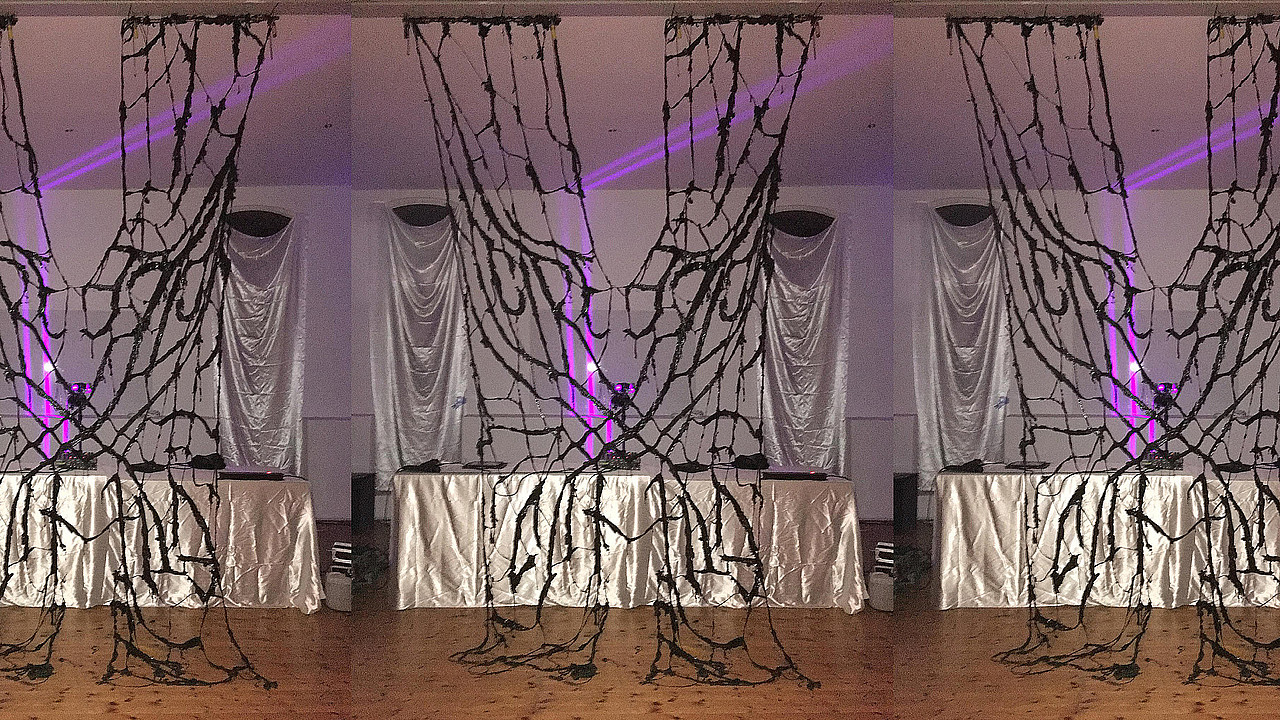
The title of this article is a quote from Ursula K. Le Guin, delivered in 1981 at a symposium in Stanford where the American science-fiction writer spoke about world-making.1 The practice of inventing new worlds is described in Le Guin’s short talk not merely as a way of escaping reality, but also with its historical, social, and political complexities. It caught my attention because – especially with the uncertainty of the »maybe« – it expresses well the situation of Budapest’s independent art, electronic music, and party scene. It reflects not only the shrinking of space and the absence of material resources, together with the dilemmas and insecurities that these create, but also the possibilities that arise from the dissolution of existing structures, and the subversive power of grassroots communities and bodily presence, in the sense of letting go of reality – as we know it – through dance.
When it comes to the state of culture in Hungary, most focus on the conservative cultural policy of the Fidesz government, which has indeed caused a lot of damage to the independent scene since it came to power in 2010. For example, a study on artistic freedom in Hungary published last spring, in a »sobering critical assessment of the current state,« starkly warns »other nations who have taken the first tentative steps down the same pathways,« giving the impression that free culture hardly exists in this country.2 This article, on the contrary, presents a counter-culture that operates far beyond the playgrounds of mainstream politics: Collectives that opt for insurrection rather than revolution, artists who choose presence over representation, and events that are corporeal and participatory. While it does not surprise me that such smaller organisms, emerging in the darker corners of the city, are not highlighted in mainstream analyses, they do, in my opinion, provide a more authentic picture of contemporary art and culture in Hungary than reports that mainly concentrate on the wounds inflicted on the top institutional level. Moreover, the artist groups, community spaces, party crews, music labels, and art venues that I introduce here are the places and people that, from time to time, open portals to utopian realities, where the structures of control that permeate our everyday lives temporarily lose their coercive force.
The Map is Closed
Let’s begin with a brief sketch of the city’s map of cultural institutions, which does not offer much indeed. The crises (political, economic, energy, etc.) that followed the pandemic and Russia’s full-scale invasion of Ukraine have obviously had a negative impact on nightlife and the already under-financed, DIY-based independent music scene. A number of important venues and concert halls have closed over the past few years. Moreover, as in other big European cities, gentrification makes opening and obtaining licenses for new venues more difficult. Meanwhile, the government uses a well-known strategy of generating internal tensions within the community to complicate situations further.3
For example, Magyar Zene Háza (The House of Music Hungary) opened a year ago in Városliget, Budapest’s largest and most iconic city park. Given the diverse profile of the House of Music’s programming, it could even play a part in promoting and supporting cutting-edge trends in electronic music. However, due to the specific circumstances of its establishment, it is doomed to be avoided by a significant part of the scene who view any kind of cooperation with the institution as a legitimisation of the government’s policies. In short, The House of Music was built as part of a gigantic public investment project, the Liget Project, in the framework of which a number of cultural institutions were erected and expanded in Városliget without any professional dialogue, while considerably reducing the park’s green, wooded areas. This has led to a great deal of protest from both professional and civil sides. The building is furthermore situated not far from luxury apartments and office buildings that are being constructed as part of the prime national economic investment project, which in 2021 caused the demolition of Dürer Kert, an important venue of the alternative music scene active since 2008,4 along with the Keleti Blokk independent rehearsal and studio complex, which was located on the same lot. Large-scale construction projects that the government qualifies as significant from a national economic point of view in Hungary, usually initiated by Fidesz-linked private investors, can be implemented without taking applicable laws or environmental and monument protection aspects into account.
If we recall Viktor Orbán’s speech5 at the opening of The House of Music – which the Prime Minister used yet again to promote Christian principles and national pride against globalisation and »Brussels bureaucracy« while expressing the need to save our families and children from immigration and gender politics – we can see that such institutions, even if the curators who work there claim them to be politically neutral, are far from apolitical. At the same time, such venues are gradually trying to absorb young music subcultures precisely by hiring people who are considered professionally legitimate. Krisztián Puskár and András Nun, curators of UH Fest, a weeklong festival that has become one of Budapest’s most important events dedicated to experimental electronic music, warn us of the dangers of self-censorship upon entering these kinds of seemingly harmless, yet government-related institutions.6 Following a different logic, that of internal critique, Erik Kolbenheyer, founder of the experimental electronic music label Exiles, accepted an invitation from The House of Music to produce an event last May. He donated his honorarium to an activist group helping homeless people and Ukrainian refugees, and responded to the controversial situation with an intervention: During the intermissions between live sets by the label’s artists, the word »Államgépzene«7 (translation: »State Machine Music«) appeared on the screen behind the stage, together with the logo of the Fidesz-linked security service that, just a few years ago, had beaten up civilians protesting the construction project in the park.
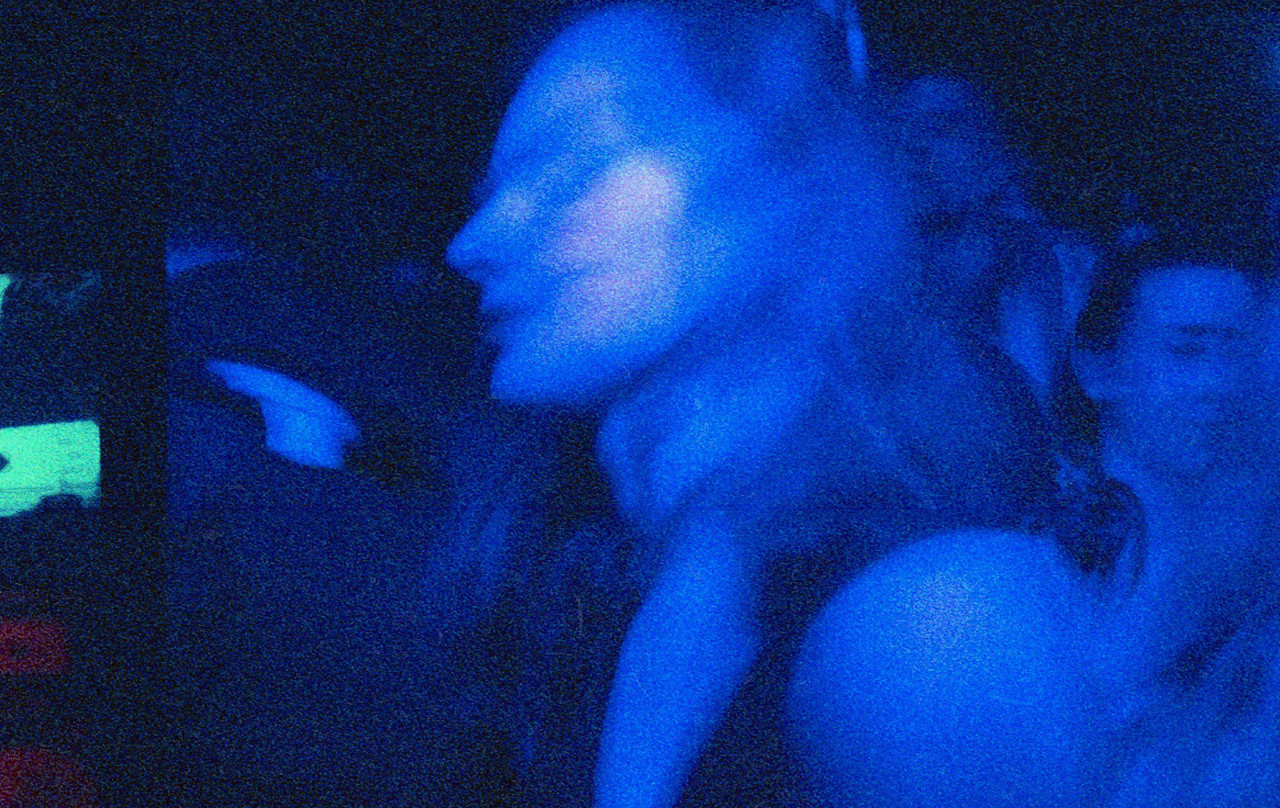

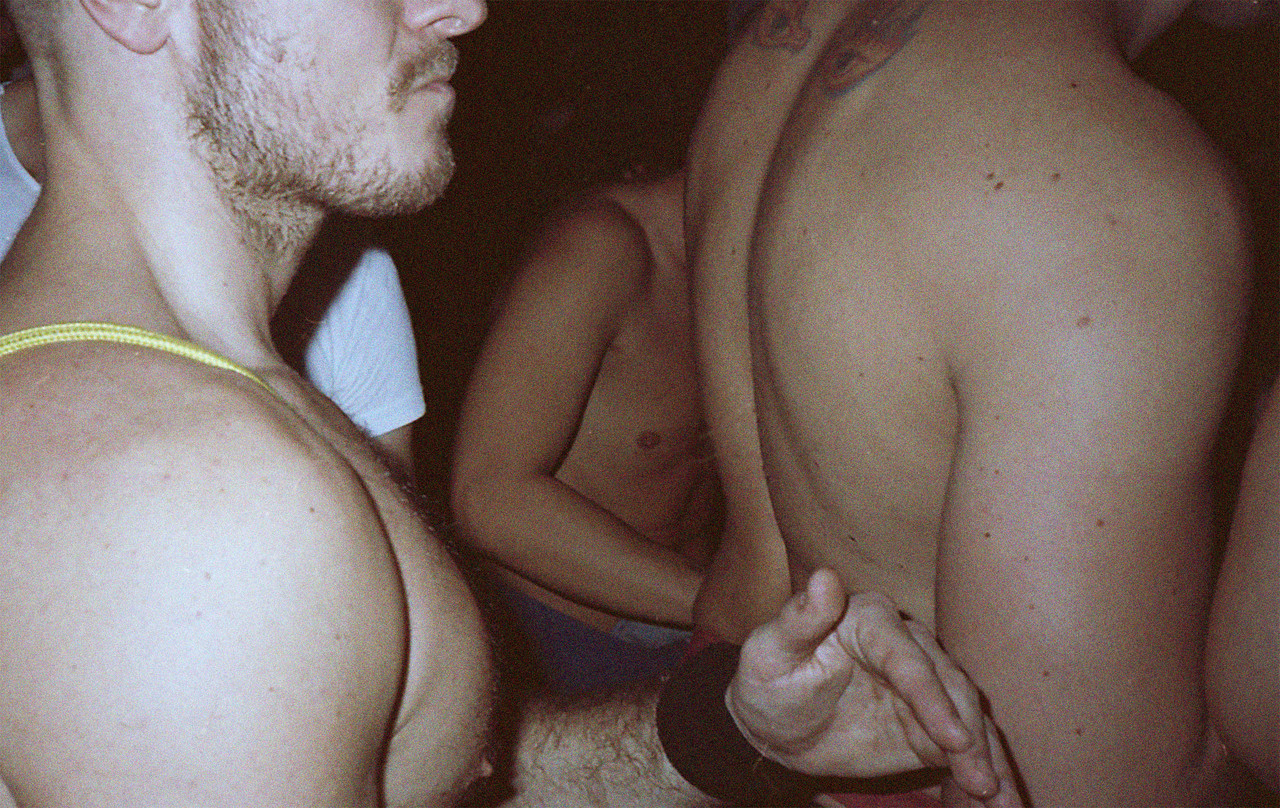
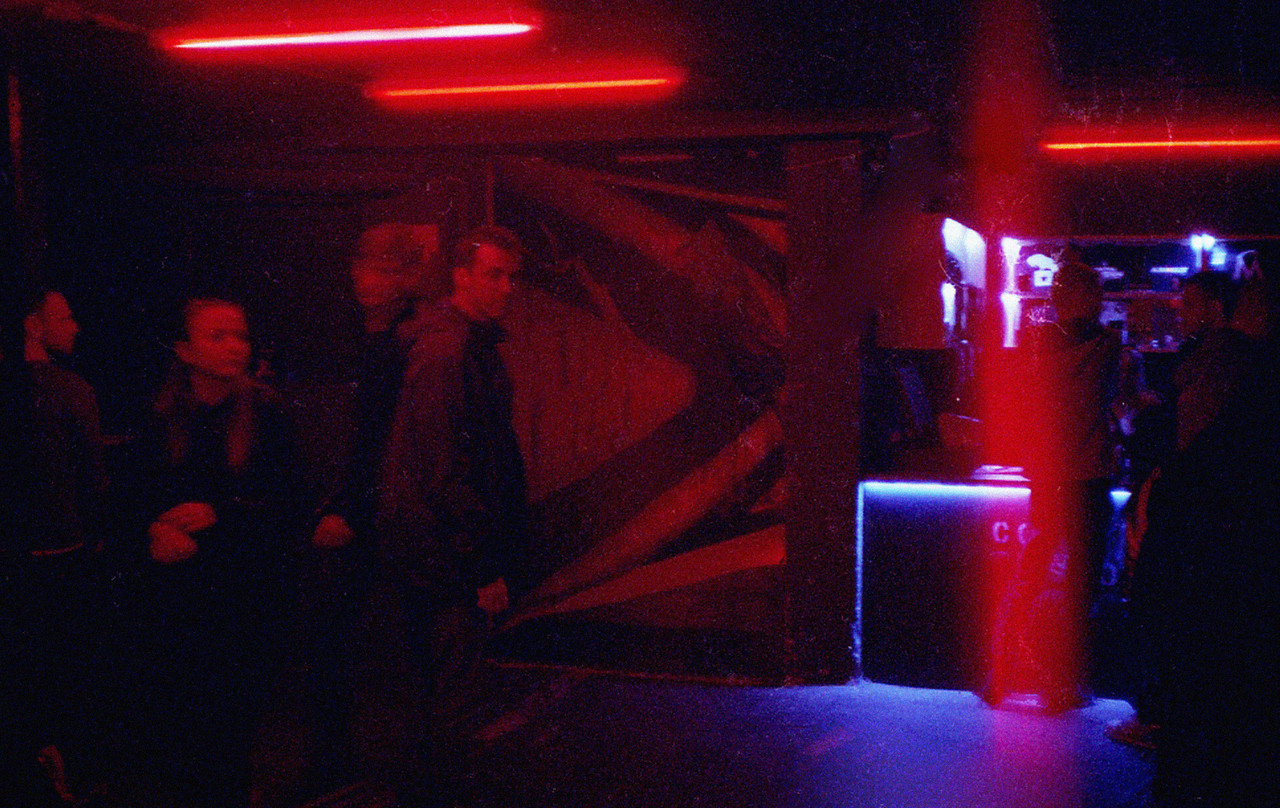

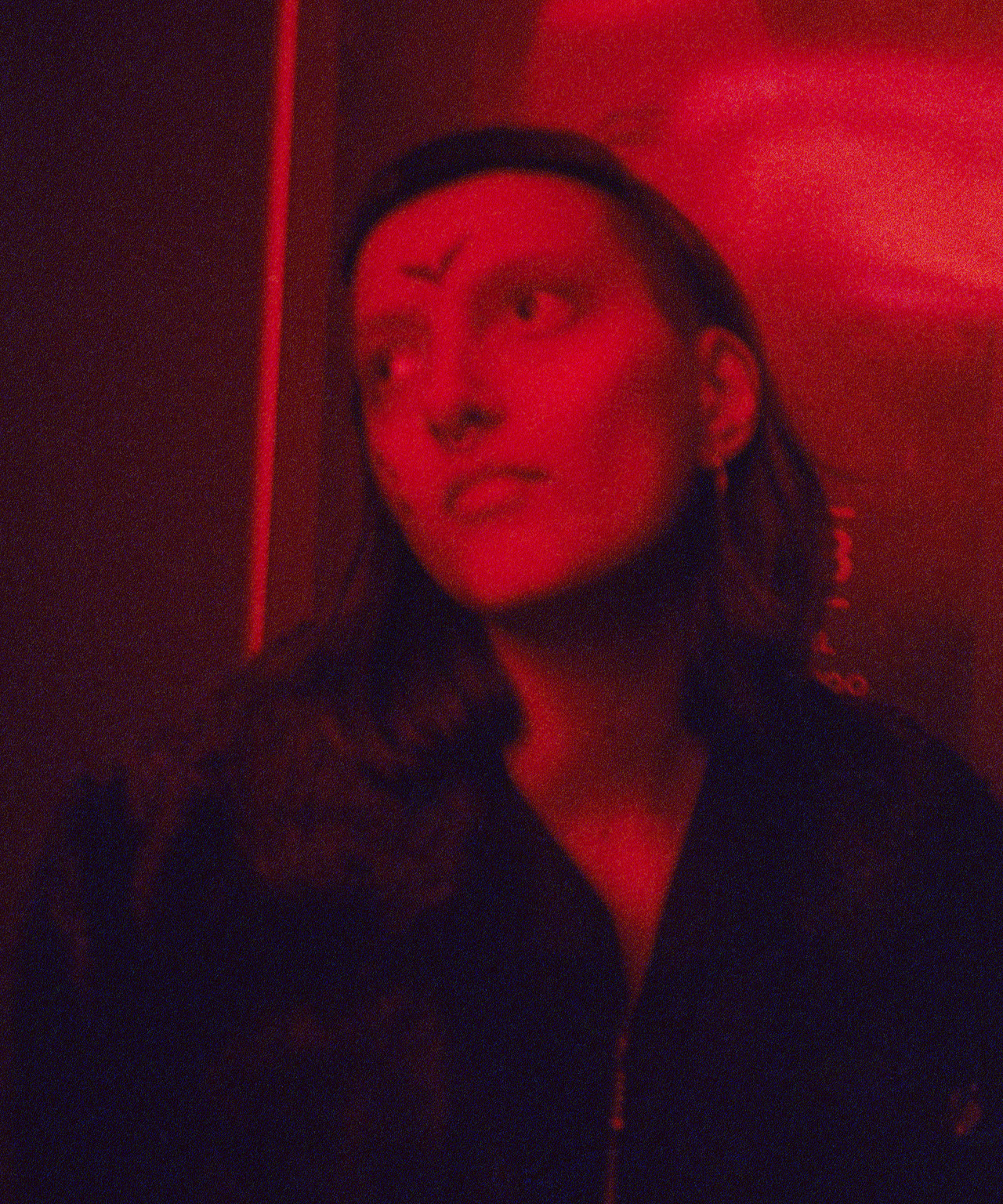
What unites and, oddly enough, also empowers the scene is that most of the people involved do their work voluntarily, including the teams of UH and Exiles. While one can easily burn out in voluntary work, many say that being on the periphery not only requires more commitment and authenticity, but also allows for a more diverse way of being, with a wider field for experimentation than at the more official levels of cultural production. This is a forced situation, yet the fact that despite repressive measures certain things can and do take place is a powerful statement. Grassroots cultural spaces such as Gólya and Kripta play an important role in this. Gólya is a self-organised community space that hosts not only music events, but also creative workshops, independent left-wing organisations, and the Lahmacun community radio studio. The collective that runs Gólya moved from their previous location to their current venue in the outer 8th city district a few years ago. In order to counter gentrification and gain independence from the changes of the rental market, they bought their building and now collectively own it as a cooperative. Kripta, the autonomous punk community space and safe haven for radical, marginalised music subcultures, is also now located in the same district in an industrial complex. The former home of the »crypt fugitives,« as they call themselves, was in one of the basements of the recently demolished Dürer Kert.
Unless they are raving in the Tropicarium8 – an oceanarium in a suburban shopping mall in Budapest – or in the middle of a forest, the young crews of Pénz9 and Family Fast usually organise their parties in these two places, or perhaps, a bit closer to downtown, in Nyolcésfél, which can be considered the successor of the Keleti Blokk studio complex. The Pénz (translation: »money«) crew is a group of friends who have been active since around 2015. They do not stick to a particular genre; they play eclectic, non-conformist, edgy, surprising, and fast dance music. Family Fast is only three years old, but the collective started this year by launching the label 111records. Their nights in the imaginary place called »Fast City,« which also often weave-in art installations and performances, rebel against the seriousness of the party scene, and thus, are full of inside jokes. They use the term »autismcore«10 to define their style born out of the deconstruction of breakcore, gabber, and hyperpop, among other genres. Also worth mentioning in terms of crossing styles and subcultures is the Küss Mich11 DJ duo, who have been around a bit longer than the previous two, to add – sometimes with invited guests – a touch of queer disco, among other treats, to Budapest’s dark wave scene.
However, those who would rather throw parties in larger and more conventional venues can find themselves in a difficult situation. In Budapest’s queer friendly but mostly straight, male-dominated underground electronic music scene, OMOH12 (whose name is borrowed from the Russian special police unit) was the first to bring sexually-fuelled, underground techno and house to the queer dance floor, offering an alternative to pop music typical of gay bars. However, in autumn 2022, after six years of activity, they published a break-up post on social media, in which they also addressed the absurdly high venue rental fees.13Persephone,14 OMOH’s queer-feminist younger sister, focuses mainly on female DJs and producers as well as on community building, and continues to show up sporadically in the more offbeat corners of the city, while the OMOH community’s Facebook group and secret Telegram channel are still active too.
When the American anarchist writer Hakim Bey said that »the map is closed, but the autonomous zone is open,«15 he was referring to strategies and modes of being through which, despite the limited number of possibilities, one can still promote excess and freedom if one finds the cracks within the walls of controlled reality. Below I continue to discuss such examples.
The Autonomous Zone is Open
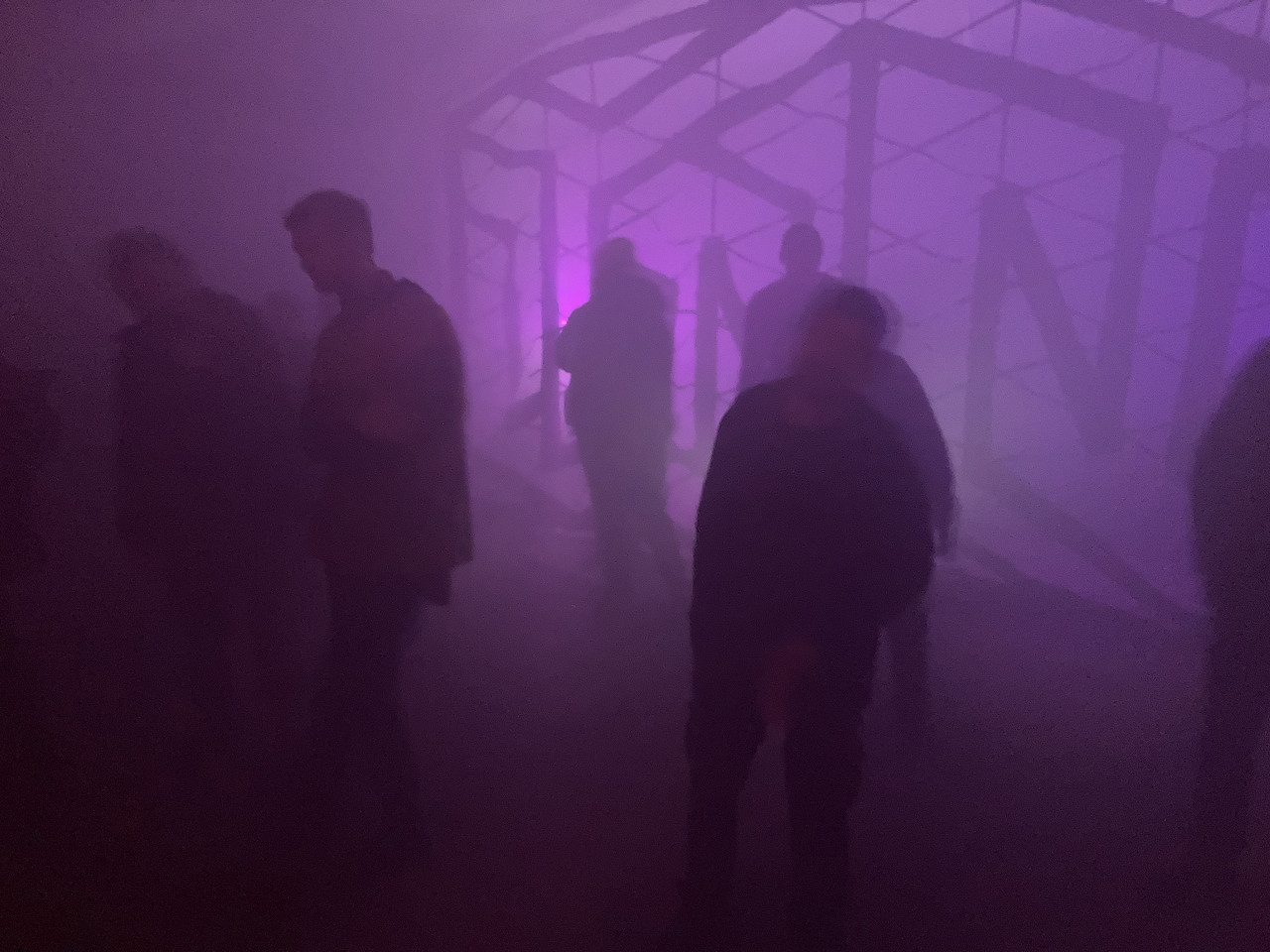
Last October, after coming back from trips to Prague and Warsaw, where people kept asking me if it was dangerous to dress gay in Budapest,16 the first place I went was a rave organised by the group Legion and the local crew Davoria in the basement under art quarter budapest (AQB) – a privately owned arts, residency, and studio complex in the outskirts. In the massive underground chamber system, airy enough for about 400 of us, music was being played from two stages and art installations were set up here and there. Legion’s stage hosted more experimental, local artists such as GUTA!Mike Nylons, or Alley Catss, while the music in the other hangar was characterised by pounding repetitive kick drums and accelerated bpms. This militant, fast, and energetic music was played by Davoria artists for a solid 14 hours. The crew – whose name means »noise« in old Hungarian – is a prominent representative of the 90s freetekno tradition.17 With their own sound system, they have been active in their current formation for seven years. One of the core members, Péter Márton (aka Telesport), has worked with several other artists on similar parties before, for example under the name X-Hole. Davoria parties are not typical of free parties, considering that they are usually not held in squats or as illegal open-airs. But with their inescapable »anti-music,« devoid of vocals, melody, and all other bullshit, they encourage the unlearning of the norms and conventions of club culture – faithful to the freetekno legacy. Trust has an important role at their parties; the artists play in front of the speakers right among the people, and there are no security guards, so the crowd creates their own rules on the dance floor collectively. Tekno, through its repetitiveness and mind numbing effect, serves here as a means of restructuring the space by creating a raw, stripped-down togetherness.
It was here, below the ground, that I first thought of writing this article: Such places are good examples of what we call »temporary autonomous zones.« Although they do not propose a direct confrontation with big politics, they are important sites of resistance, because a temporary autonomous zone is a place where, through the power of collective imagination and corporeal presence, we can liberate an area of land18 from the confines of the sometimes disappointing everyday reality. Even if it is just temporary, before the shared hallucination disappears, we can lay the foundations of another world, so that we can continue building from there the next time we meet. Legion, who co-hosted the rave, is definitely doing a lot to ensure this continuity.
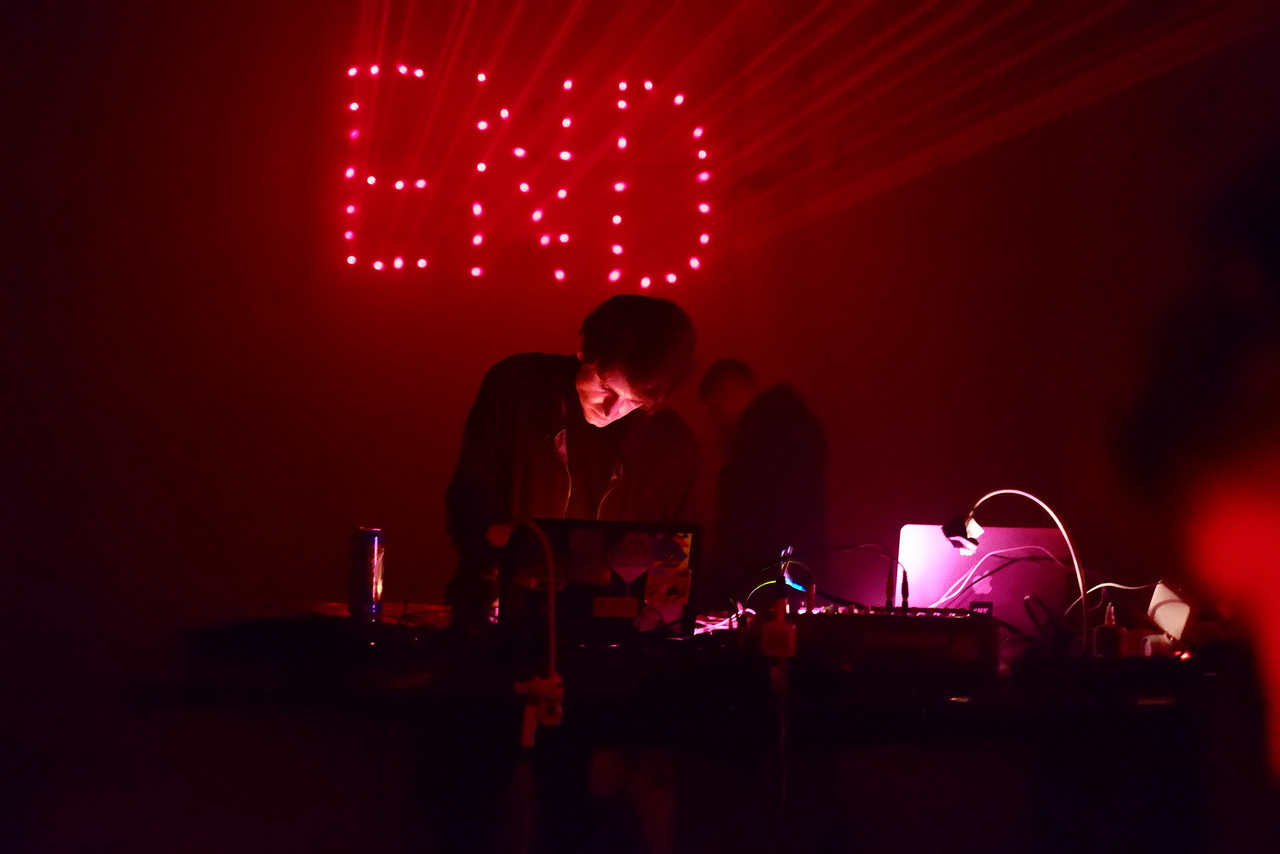
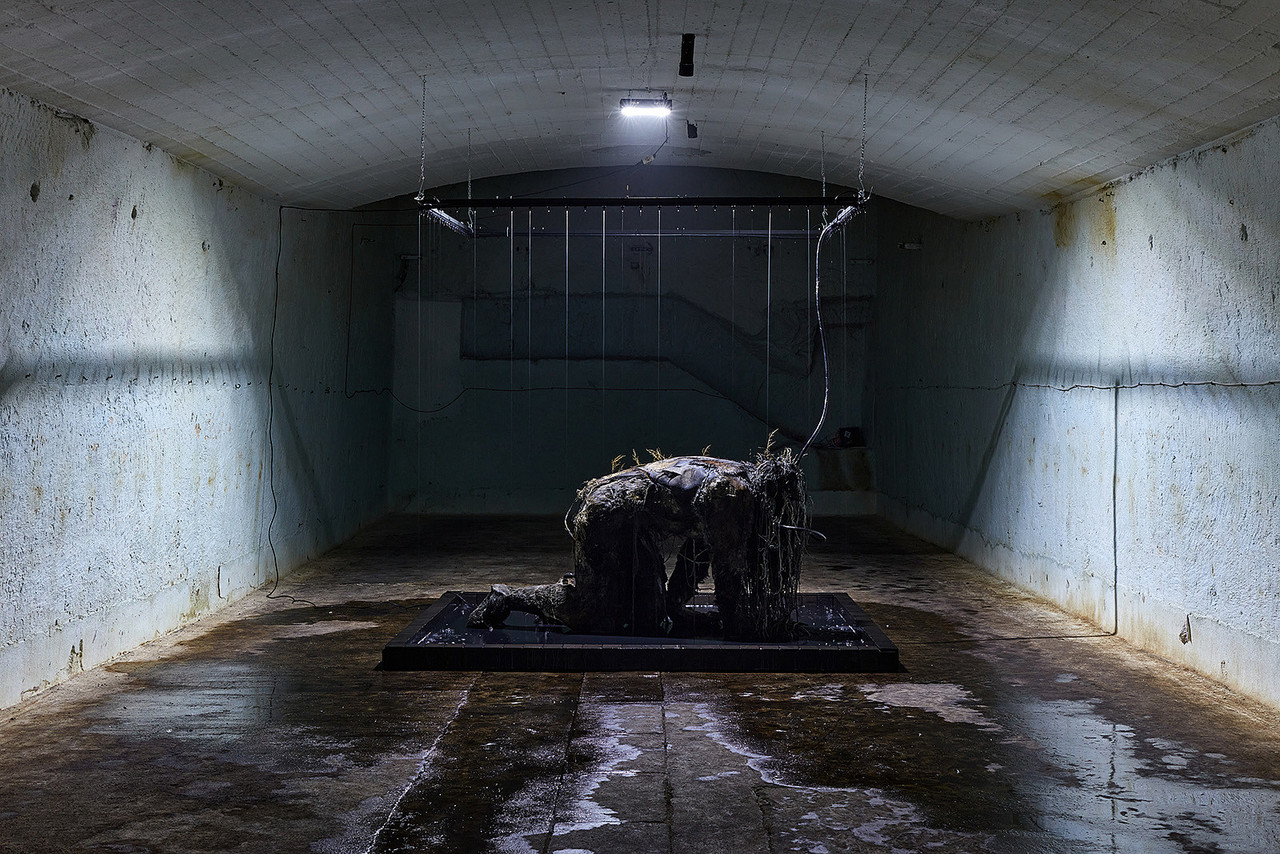
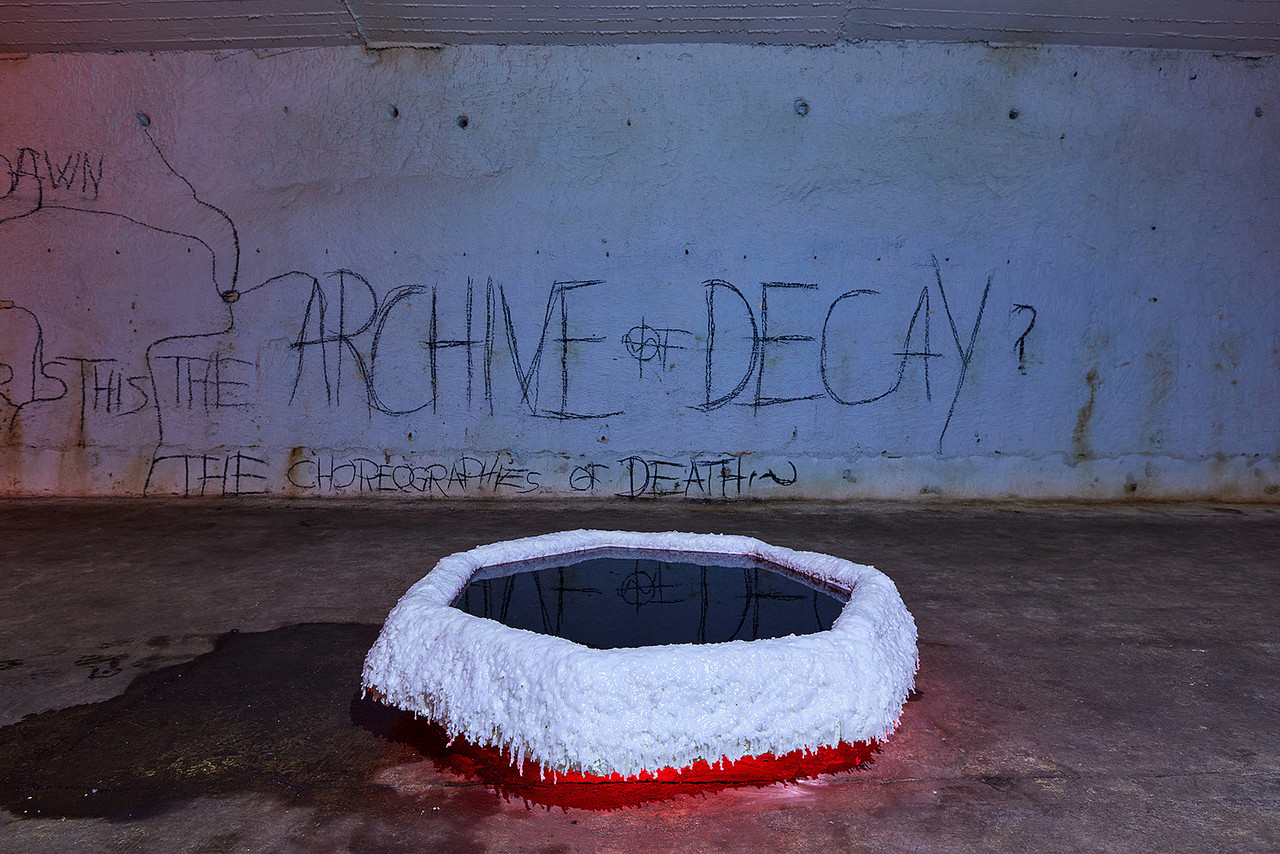
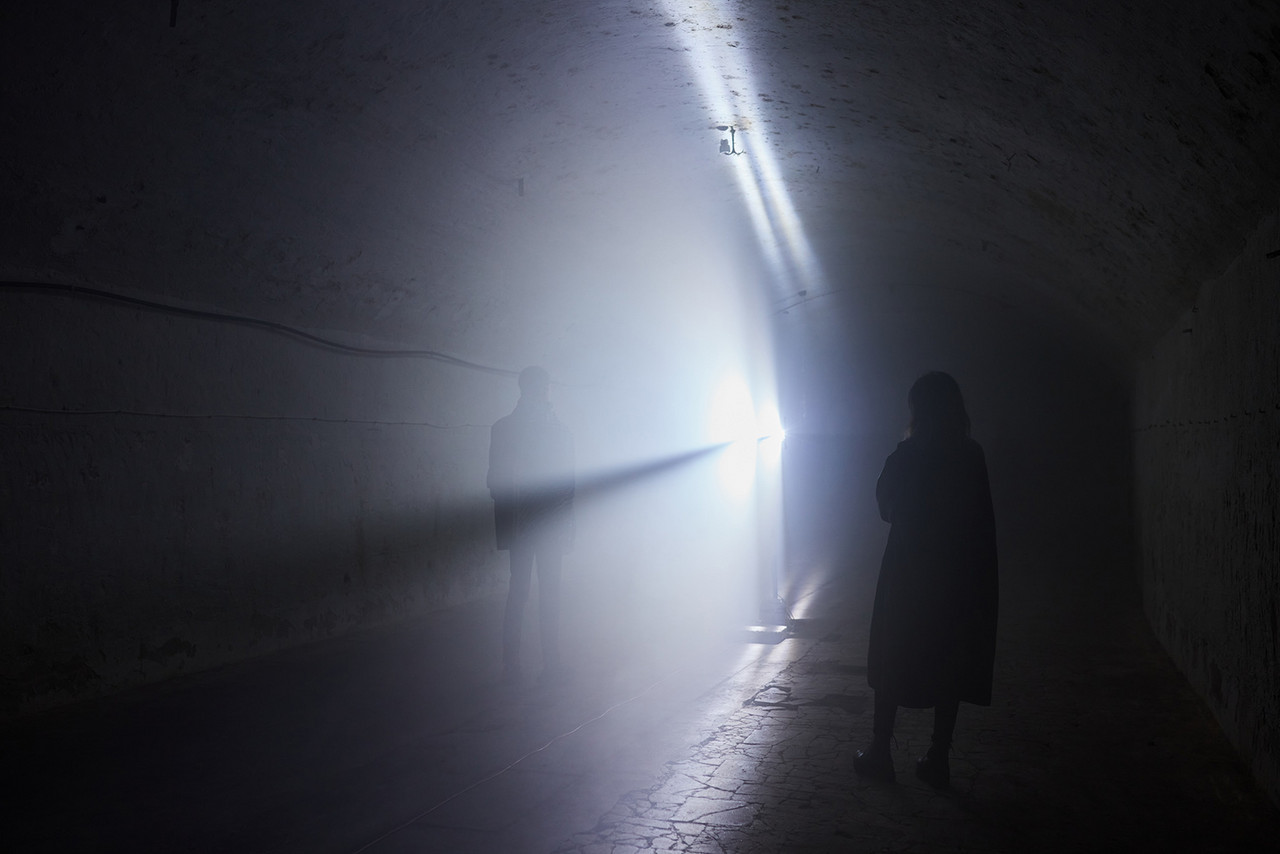
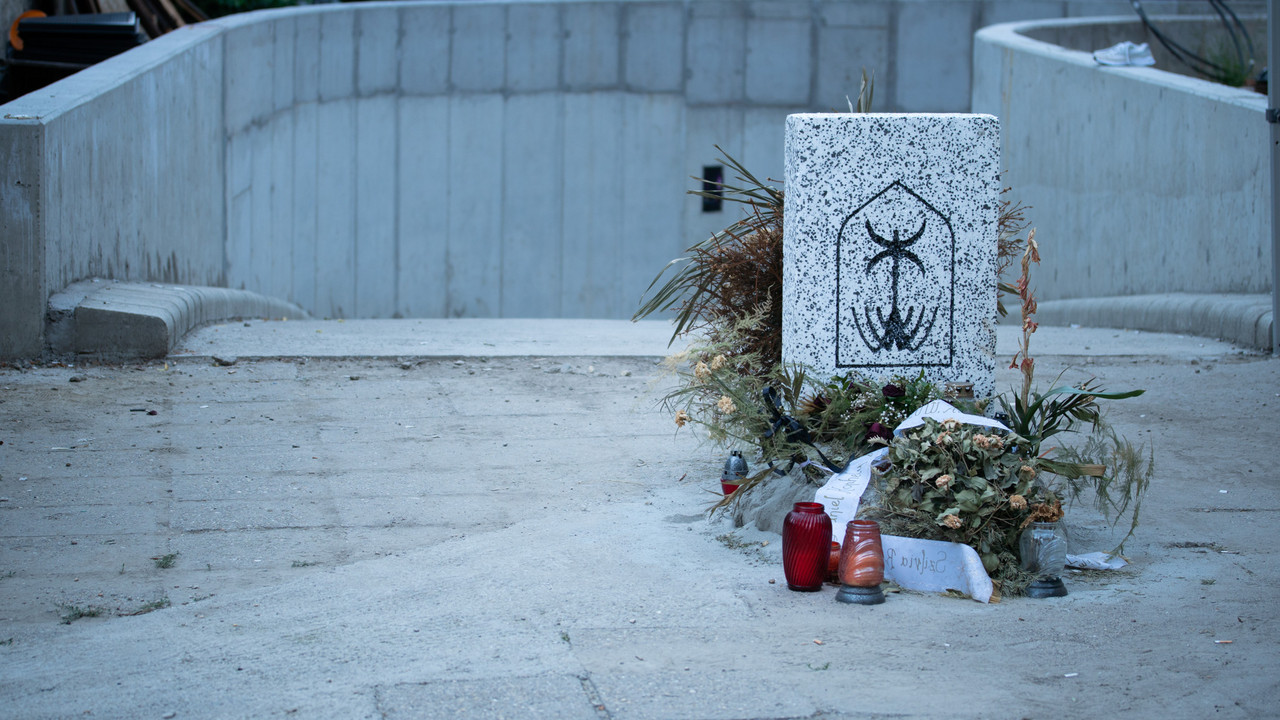
Legion is one of the pseudonyms of Lőrinc Borsos, the artistic duo of Lilla Lőrinc and János Borsos born in 2008, which reflects well their swarm-like existence. They work in various visual media and, in recent years, they have also created and curated several experimental electronic music performances, conceptual parties, and multi-disciplinary events. They were initially interested in building an alternative national image to counter the official representation in Hungary. Over time, however, disillusioned with the events of present-day politics, they made their way towards deeper layers of reality through the darker landscapes of their inner universe. For their fictional personality, they have chosen the glossy black enamel paint that appears in most of their works. Part of their mythology is the continuous reinterpretation of this shared identity, the »idol« they have created, which at times involves the need to decapitate themselves. According to poet and critic Márió Z. Nemes, »Lőrinc Borsos are neither one, nor two, neither husband nor wife, neither art nor anti-art. Rather, this name denotes the place where all of these movements and convulsions converge. We cannot know how many are inside the seething cauldron. They are Legion.«19
According to another definition, Legion refers to the community that formed during the collective drawing sessions over the past few years in Lőrinc Borsos’ studio in the AQB, where they have worked since 2011.20 Although, I only witnessed these sessions as an outside observer, the studio has since become an important place for me as well, as I took part in the exhibition Mine My Mind (MMM) in 2020,21 in the same basement that served as the venue for the aforementioned rave. Initiated by visual artist Adrian Kiss and Lőrinc Borsos, the project started out as a group show, but thanks to a good flow among the participants, the end result was a bit like a 2,000-square-meter cybergothic total artwork. It opened on Halloween, a few days before the onset of the second Covid-19 lockdown that lasted more than half a year. In the past 10 years – which have been about the systematic withdrawal of funds available to the independent scene – rarely has Budapest’s arts community seen an exhibition of this scale, organised entirely from the grassroots, with almost zero financial support, and therefore the epidemiological restrictions did not hinder the public’s curiosity. Since it was easy to maintain physical distancing in the exhibition’s large spaces, we organised guided tours for limited numbers of people over nine months, sometimes on a weekly basis. Because of the damp air in the basement, the technical equipment (e.g. screens, speakers) had to be brought down and then back up with each tour, so all 11 of us got together pretty much every week, which meant a lot during the periods of isolation and loneliness.
Many say that being on the periphery not only requires more commitment and authenticity, but also allows for a more diverse way of being.
MMM, and the exhibition’s closing party in July, was the first such event in the limestone cellar beneath the former brewery’s industrial buildings, and a few others have followed since. At the end of March, the Pénz collective organised a mega rave there, in collaboration with a crew from Odesa, and another from Berlin.22 The dungeon, however, is not the only place that Legion infiltrates; they often spread out to other areas of the AQB and the city. For years now, the Lőrinc Borsos studio has hosted parties of various sizes and themes, from small house parties, through the two artists’ wedding anniversary and fetish nights, to the Great Disappointment parties on the last days of the year.23 They also curated,24 in collaboration with Exiles, the closing event of the Techno Worlds exhibition – a travelling exhibition at the intersection of music, art, pop, media, and technology in relation to the multifaceted techno scene,25 shown in the AQB’s official Project Space gallery in autumn 2021.26
These parties are often built around a concept and can also be seen as multimedia art events. One half of the duo, János Borsos (aka Mike Nylons) plays industrial, dark noise techno, and usually local artists are invited too, such as The Stanley Maneuver,.page., Noahstas, Gábor Lázár, or Telesport. The events are sometimes framed as a fictional story, with sculptures, light installations, and smaller performances popping up from different corners of the space. Thus, at Lőrinc Borsos parties, art forms that are usually segregated contaminate each other back and forth. One of their first projects, where the fusion of techno, art, and partying served as the starting point, was »Insecurity State« at the OFF-Biennale Budapest in 2015. This was, by the way, the first edition of Hungary’s now largest independent contemporary art event that started as a grassroots »garage biennale« in the artistic vacuum that followed the government takeover of the country’s most important contemporary art institutions. The party took place in Lärm, a techno club which has since closed, and it was realised in collaboration with The Corporation,27 a group that Lőrinc Borsos is also a part of, and the T+U collective.28 In their words, »Insecurity State« comprised »an artistic (anti-)state and active community that subverts the militant and uniforming practices of systematic thinking from within, creating an oppression-busting trance condition. This means that the counter-state built into the heart of the oppressive system imitates and, at the same time, dismantles the forms of state violence.«29
Choreopolitics
Although the change of perspective in Lőrinc Borsos’ art – which shifted its focus from representation to deeper and more personal levels – was motivated by a desire to break out of socio-political dead ends, their parties are not necessarily devoid of politics. It is the same for the activities, groups, and community spaces I introduced above. Bodily presence and dance, which are the drivers of these events, are also the starting point for what Brazilian writer and curator André Lepecki calls choreopolitics.30 By political, Lepecki – following the German philosopher Hannah Arendt – does not refer to the power games that take place on the surface, but to our ability to move freely. He contrasts this ability with the functioning of the societies we live in, which give the impression that the only way to go is to follow established routes: Imagine a strict choreography where all the possible moves are pre-invented. In such a system, the only way one can reclaim their space is by interrupting the circulation of the conformed masses with mischievous, excessive, and unforeseen gestures and dances. Lepecki calls this choreopolitics. Since our choreographic imagination is limited from the outset, we need situations that trigger our fantasy, both intellectually and physically: This is where art comes in, as a means of opening the door to the unforeseeable.
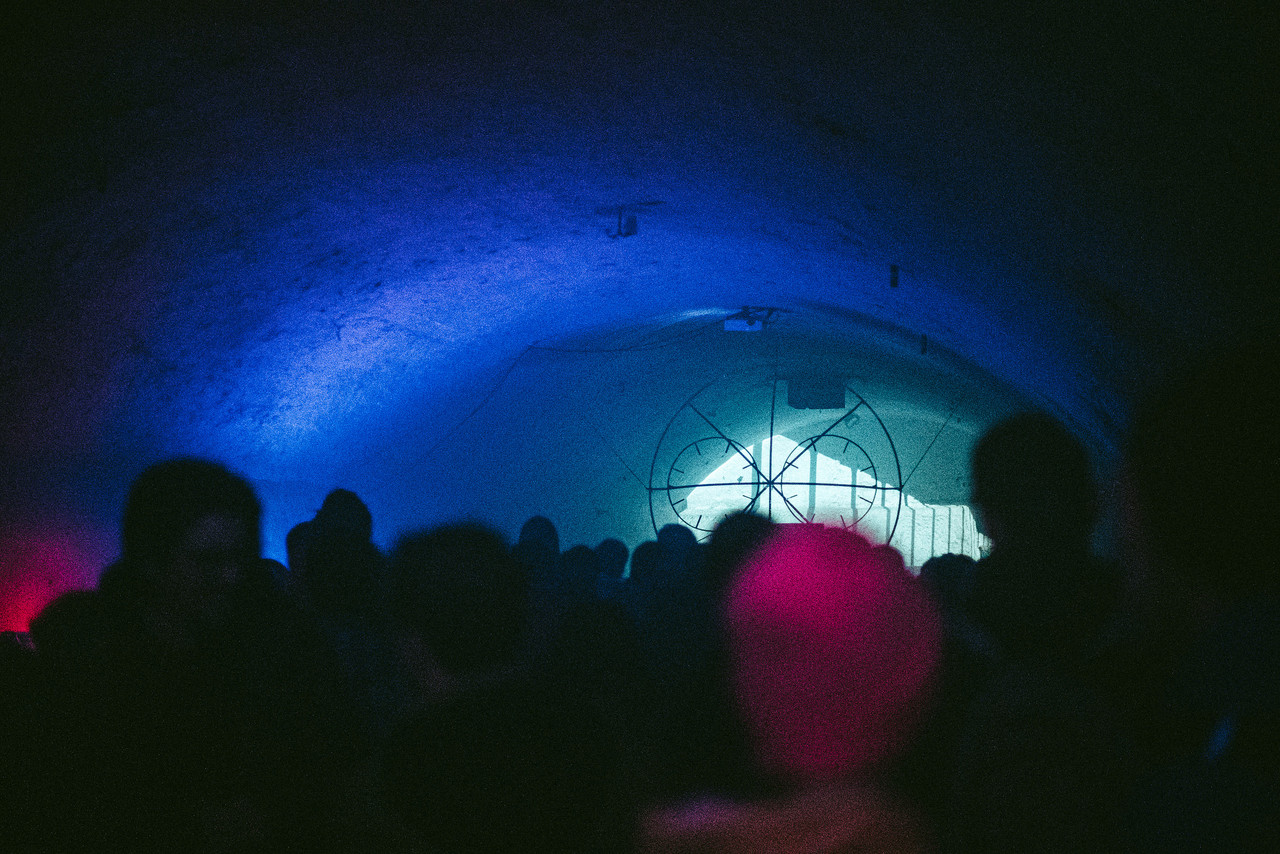
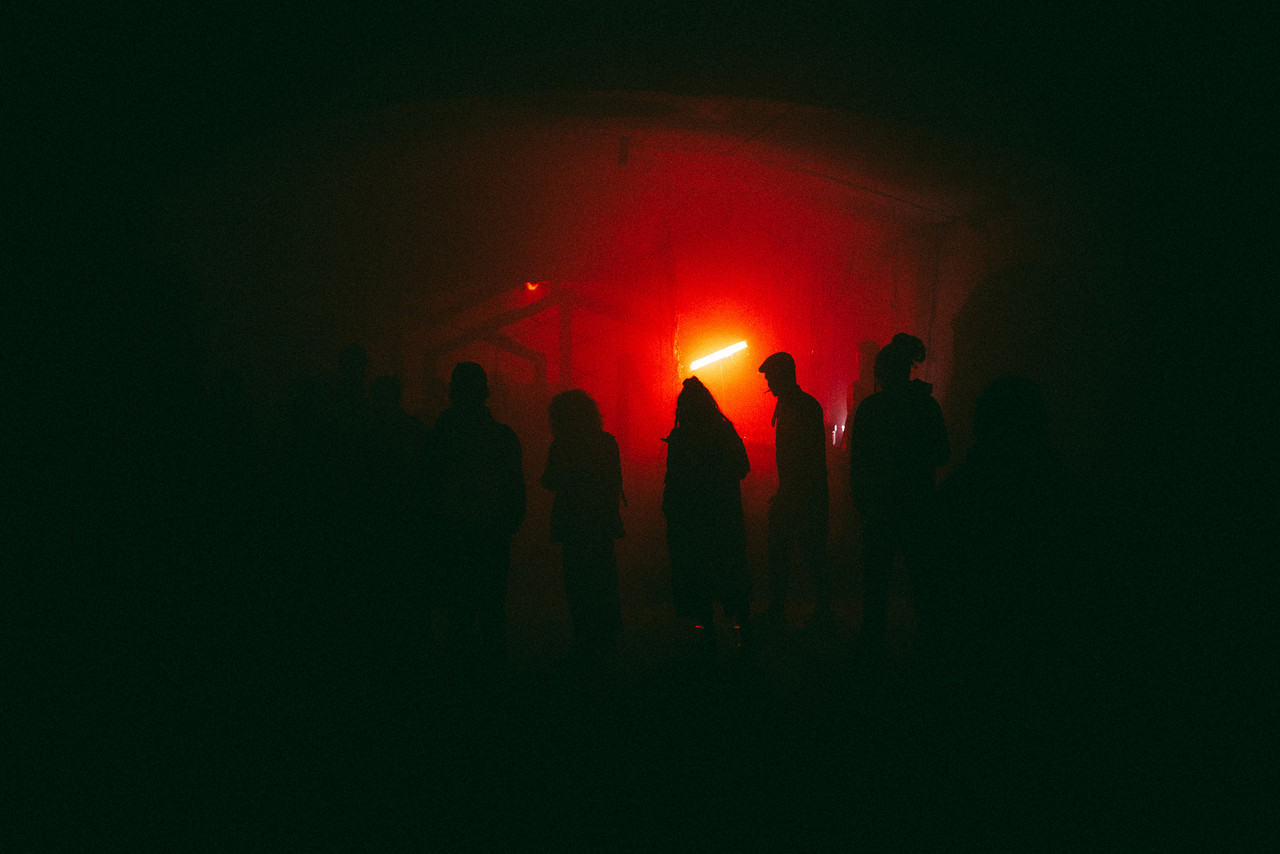
In this article I have attempted to show a few glimpses into places in Budapest where new forms of movement can be explored and experimented with, and where, through the rediscovery of our bodies and our senses, maybe the world could also be reinvented. But to create an alternative social choreography it might not be enough to simply find these small cracks in the walls of the system. Apart from synchronicity – as Lepecki suggests with choreopolitics –, commitment, devotion, and planning are also needed for the emergence of a collective political body that is capable of moving freely. In any case, the possibility is there, and it is precisely this world-building capacity that makes a party potentially dangerous to the order of society. The role of dance, collective choreographies, and raves in social resistance has been addressed by many.31 Just think back, for example, to Tbilisi’s »raveolution« in 2018, where thousands of people partied for two days in front of the parliament, protesting against the government’s strict drug policy.32 It is not a coincidence then that some countries have laws to regulate how many people can party, where, for how long, and to what kind of music.33
As I proposed at the beginning, my aim was to introduce initiatives and collectives in Budapest, who choose insurrection instead of revolution. But what is the difference between the two? According to Hakim Bey, while an insurrection is a temporary peak experience opposing the standard of everyday practice and consciousness, a revolution, if successful, leads to the return of the state in a new guise. The idea itself – the idea of another world – is born at the moment of insurrection, whereas a revolution has never led to the idea’s realisation.34 What is also important to note here is that – although Gólya and Kripta clearly represent leftist views – the majority of the groups I introduced do not define the direction of insurrection; instead they are multidirectional and rhizomatic, like a legion. They are important simply because, in a shrinking socio-political environment, they persist and provide a space and platform for alternative forms of coexistence and collective vision.
Afterparty
So, as a conclusion, what if we leave planning and the definition of the aims of the revolution for later, and instead focus on what happens right after the insurrection, which is, in our case, the party? The place where we begin to see what we get in return for the invested energy – after all, a party is an investment physically, moneywise, and also in terms of alcohol or drug consumption – is the afterparty.
The most memorable »afters« were undoubtedly the ones that the aforementioned queer crew, OMOH, organised in Szauna 69. This is a typical gay sauna in the 9th district, but what made the mornings spent here completely unusual is that the sauna was open not only to gay men, but to everyone. Because of the mixed crowd, which is a rarity in such spaces, the focus was not only on cruising and physical pleasures, but on connecting and sharing with someone you had just met during the night (albeit with a towel around your waist). This is perhaps where afterparties have an important role to play: To give some tangibility to the relationships that spontaneously form during the night. Furthermore, an after is also a place of reflection, where the worlds we discovered when we were completely lost are still visible to us. As we look at these gradually vanishing ideas, as we talk about them, as we connect and build them together, a community is being formed – a temporary one, or maybe long-lasting – by those who have danced together all night. Thus, even if much of what we have experienced fades away, the personal connections remain.
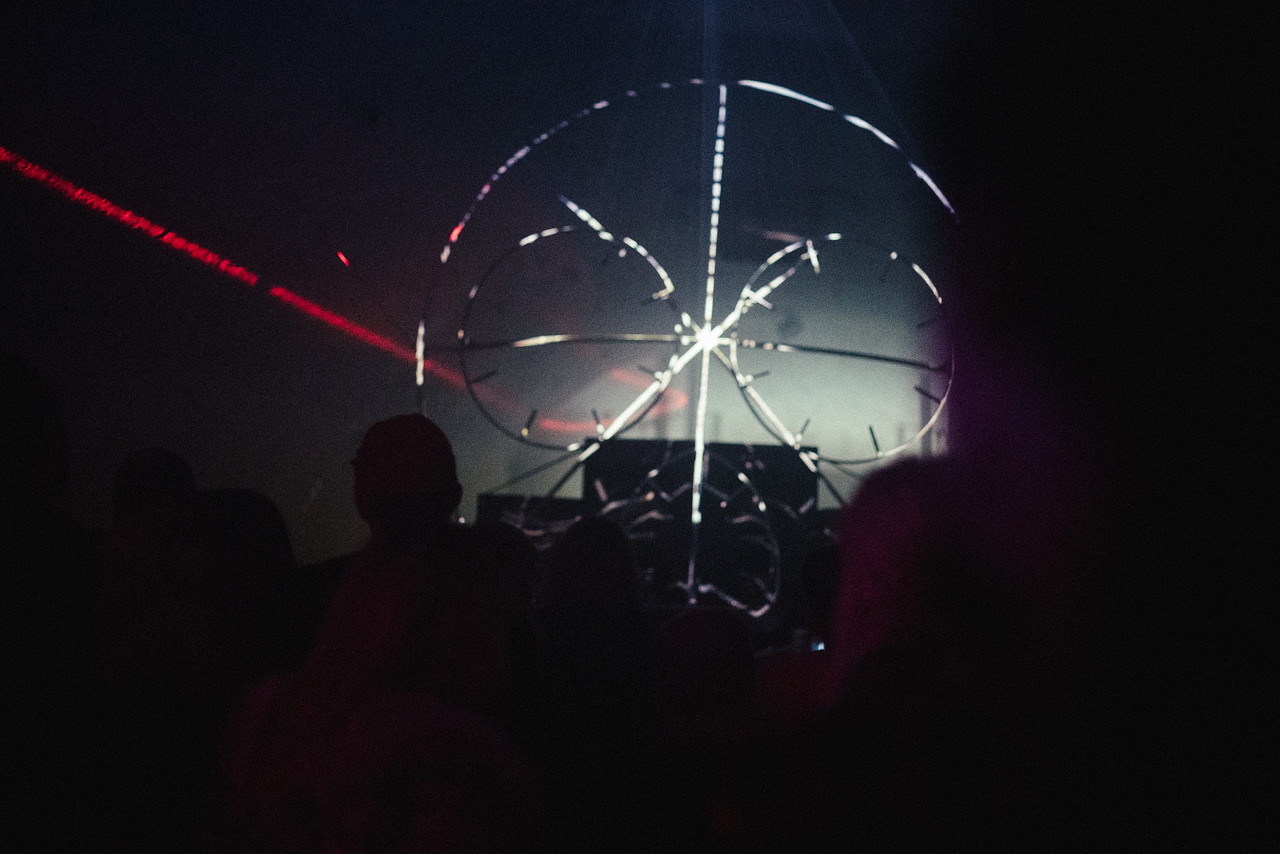
live set excerpt (Adaptors) by Yinna
live set excerpt (Adaptors) by Yinna
Returning to my starting point, what we call culture is based on just such micro-level connections. Culture is not only based on these connections, but takes place at these levels and through these relationships. I do not dispute that what is happening on the surface – that is, the larger-scale representative institutions – is important. I also agree that freedom of expression and individual freedom are linked to the freedom and independence of our institutions – as one of the organisers of a panel discussion about the tensions and dilemmas surrounding The House of Music pointed out last May.35 At the same time, culture is much more than this, and it is also not as black and white as the local arts scene might sometimes appear under the shadow of the embarrassing actions of Hungary’s authoritarian government. Therefore, on top of its world-building potential, another key responsibility of the independent scene is to keep alive the less visible yet experimental, daring, and committed initiatives, because the personal freedom and freedom of imagination which are fostered within Budapest’s underground communities are linked to our culture’s freedom.
Gyula Muskovics is a Budapest-based curator, writer, and artist who co-founded the Hollow immersive performance art group in 2018. He is currently a PhD candidate at the Moholy-Nagy University of Art and Design in Budapest, researching avant-garde fashion in Eastern Europe in the 1980s.
This text was commissioned as part of CTM 2023 – Portals.
- 1
Ursula K. Le Guin, Dancing at the Edge of the World. Thoughts on Words, Women, Places (New York: Grove Press, 1989), 85-89.
- 2
Sanjay Sethi et al, »Systematic Suppression. Hungary’s Art and Culture in Crisis,« Artistic Freedom Initiative, published March 14, 2022.
- 3
It reminds me of 10 years ago when the main targets of the government’s culture war were the city’s museums. For more on this, see Edit András, »Hungary in Focus: Conservative Politics and Its Impact on the Arts. A Forum,« Artmargins, published September 17, 2013.
- 4
The venue has since relocated to a different area. See, https://www.instagram.com/durer_kert/?hl=hu.
- 5
See »Viktor Orbán’s speech at the opening of the House of Hungarian Music,« posted January 22, 2022.
- 6
Krisztián Puskár, interview by Gyula Muskovics, January 18, 2023.
- 7
The word »államgépzene« that translates to »state machine music« in English, alludes to the »Something is rotten in the state of Denmark« scene in William Shakespeare’s Hamlet which in János Arany’s Hungarian translation appears as »Valami rohadt az államgépben« where »államgép« means »state machine.«
- 8
The party Tropacore was organized in the Tropicarium by the FamilyFast crew on July 9, 2022. See the aftermovie, https://www.instagram.com/p/CjnfjAwIM8g/.
- 9
See the members of the Pénz crew, https://soundcloud.com/penzkenyer.
- 10
Levente Juhász, founding member of Family Fast, interview by Gyula Muskovics, January 18, 2023.
- 11
Küss Mich was founded in 2008 by Krisztián Puskár (aka Splatter) and Gábor György (aka Gödrön). See, https://www.instagram.com/kussmichmich/.
- 12
For more on OMOH, see the short documentary titled Every Party Matters.
- 13
See OMOH’s break-up post, https://www.instagram.com/p/Cjr6LrSIVXH/.
- 14
Persephone was initiated by DJs Alexandr and Klayman in 2018. More recently it is organised by experimental sound artist Yinna, and DJs Kali and Fr33skid.
- 15
Hakim Bey, T.A.Z.: The Temporary Autonomous Zone, Ontological Anarchy, Poetic Terrorism (The Anarchist Library, 1985), 97.
- 16
In the past few years, Hungary’s ruling party, Fidesz, has been carefully building a narrative against sexual minorities. In 2021, the Parliament passed the so-called »Anti-LGBT« law legislating the »promotion« of homosexuality and gender reassignment in education and in the media. However, it is still not entirely clear what this entails in practice and it hasn’t changed the atmosphere on the streets of Budapest where being queer is generally accepted.
- 17
For more on Davoria, see the documentary titled Davoria.
- 18
Hakim Bey, T.A.Z.: The Temporary Autonomous Zone, Ontological Anarchy, Poetic Terrorism (The Anarchist Library, 1985), 95.
- 19
- 20
- 21
Exhibiting artists: Szilvia Bolla, Lőrinc Borsos, Hollow, Dániel Kophelyi, Ppillovv, Adrian Kiss, Erik Mátrai, Márton Emil Tóth. For images see, https://borsoslorinc.com/works/mine-my-mind.
- 22
The Pénz crew co-hosted this party with SiCk CrEw from Berlin and Suck Puck Records from Odesa on March 24, 2023.
- 23
There were two »Great Disappointment« parties, in 2018 and in 2019. Both took place between Christmas and New Year’s Eve, and were the first of such larger-scale events at the AQB. See the website of Lőrinc Borsos for more information about their events.
- 24
They curated the event as members of another collective called The Corporation.
- 25
See the exhibition’s website for more information, https://www.goethe.de/ins/us/en/kul/liv/tec.html.
- 26
The exhibition’s closing event, »Ending Techno Worlds« was a 12 hour-long multidisciplinary art event that involved visual and performance artists, housing art installations in various parts of the building and staging 14 live sets. For more information, see the Facebook event, https://www.facebook.com/events/4207408879384517.
- 27
The Corporation is a multidisciplinary artist collective formed in 2000 by János Borsos, Lilla Lőrinc, Erik Mátrai, Gábor Szenteleki, and Gergely Papp. They often collaborate with other artists and collectives to realise events on the frontiers of techno in an attempt to create temporary autonomous zones.
- 28
Technologie und das Unheimliche (T+U) is a Berlin-Budapest art collective initiated by Márk Fridvalszki, Zsolt Miklósvölgyi, and Márió Z. Nemes. Through art exhibitions, thematic modules, and related projects, T+U mediates between artistic research, post-digital printing, and para-academic discourses.
- 29
- 30
André Lepecki, Choreopolice and Choreopolitics – or, the task of the dancer. TDR: The Drama Review, Volume 57, Number 4, Winter 2013 (T220), pp. 13-27.
- 31
See, for example, Bogomir Doringer’s exhibition project »Dance of Urgency« (2019, Q21, Vienna) in which the Serbian artist/curator investigated the role of dance in times of personal and collective crisis.
- 32
See Bo Hanna, »Armed police storm Georgian nightclubs leading to a rave outside Parliament,« Dazed Digital, posted May 13, 2018.
- 33
In the UK, for example, The Criminal Justice and Public Order Act 1994 was an Act of the Parliament that, among other ways of restricting existing rights, prohibited illegal rave parties, which were described as gatherings where music is played, with music being defined as a »succession of repetitive beats.«
- 34
Hakim Bey, T.A.Z.: The Temporary Autonomous Zone, Ontological Anarchy, Poetic Terrorism (The Anarchist Library, 1985), 95.
- 35
A summary of the discussion in English was recently posted on Facebook by András Nun. Title of the event was »Sometimes they take it from you, sometimes they create a new one / Music venues, institutions and independent organisers in relation to each other and to power.«