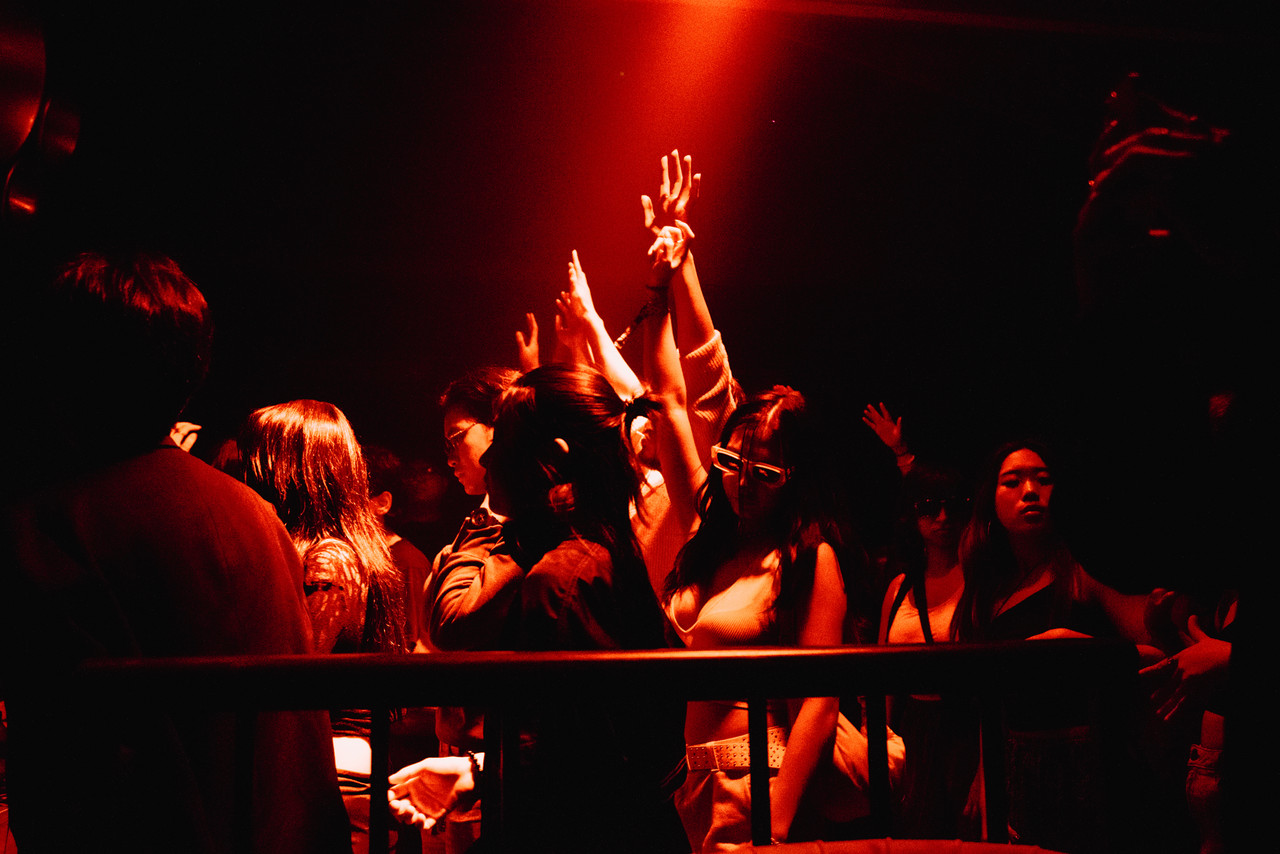
Over the years, Malaysia’s LGBTQIA+ community’s efforts toward unfettered self-representation and self-determination have faced recurrent suppression by dominant religious and societal groups.
For instance, in 2018, two Malaysian women were publicly caned six times each after being convicted of attempting to engage in lesbian sex in a car. The punishment was carried out in front of an audience of up to 100 people. Similarly, during a Halloween celebration in 2022, a drag queen party was raided by police officers, who forced several attendees to undergo drug testing. Partygoers were later arrested and prosecuted.
To understand the reasons behind LGBTQIA+ prejudice in Malaysia, it is essential to recognise two significant influences that have shaped homophobia and transphobia in the country today. The first is British colonialism, which in 1871 introduced Section 377A into the Penal Code. This law states: »Any person who has sexual connection with another person by presenting the penis into the anus or mouth of the other person is said to commit carnal intercourse against the order of nature.« The 377A Penal Code is punishable with a penalty of up to 20 years of imprisonment, whipping and forced conversion therapy practices. The second influence is establishing a political and cultural system in Malaysia in the 1970s that is heavily influenced by the belief system among the dominant ethnic group.
Conversely, queer identities hold a strong presence in the country’s rich cultural history. During the 15th century, androgynous priests known as Sida-Sida served in Negeri Sembilan, Kelantan, and Johor. In the east, a group of gender non-conforming shamans known as Manang were ritualistic healers who occupied a special social status for possessing the spiritual power of bringing together a woman and a man into one body, mediating between mortals and a Higher Being through their healing abilities. Mak Yong, a cross-dressed traditional performance from Kelantan, often performed as reenactments of ancient myths and legends deeply rooted in ancient Kelantan-Pattani Sultanates, is a healing ritual practised by male healing practitioners cross-dressed as a feminine figure.
Although authoritative forces in Malaysia have sought to obviate traditional performances that conflict with strict laws due to the structure of political and cultural life, such as the 1998 ban on Mak Yong under the Entertainment and Places of Entertainment Control Enactment by the Kelantan state assembly, the resilience and strength of the LGBTQIA+ community remain undeniable. From transgender shamans performing Mak Yong in Kelantan, the androgynous Sida-Sida priests, and the Manang Bali spiritual practitioners from the Iban tribe who embraced gender nonconformity, these powerful figures are examples of how queer individuals safeguarded their communities and played imperative roles in their cultural development.
Today’s queer nightlight communities, deeply ingrained within Malaysia’s rave culture, pull from this rich and diverse heritage to continue to thrive underground, where music, movement, and collective efforts create a space of belonging. The stories of several local and diasporic voices below point to raving as both a refuge and form of resistance, while portraying current contexts and challenges, as well as future hopes.
»My parents used to visit a medium at a Taoist temple in Taiping. When I was born, they brought me to the temple and the medium had instructed them to name me after the willow branch used by the deity, Guan Yin. The significance of the willow branch is that it’s bendable but it never snaps; adaptable but never a pushover. The depiction of Guan Yin varies depending on the context in which he/she/their story is being shared. In some ways, this connection to Guan Yin and my own transition journey has made this process feel like an ascension into being my most whole self I’ve ever felt in my entire life.«
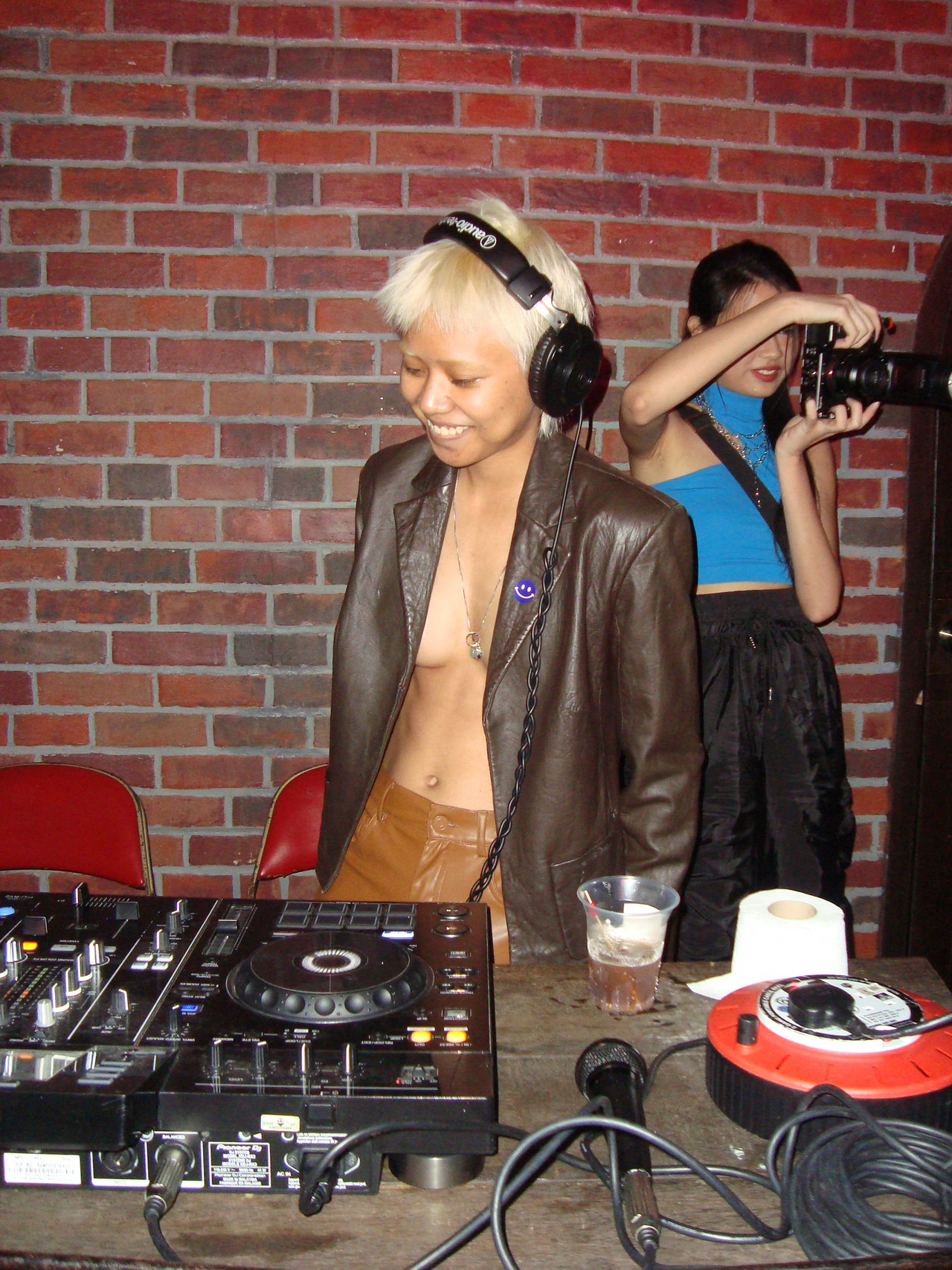
Fei is a Malaysian DJ and organiser based in Naarm (Melbourne), currently running the show AstralRealm on Hong Kong Community Radio (HKCR) featuring the global LGBTQIA+ BIPOC community in nightlife. She organised the experimental club night NetherSphere with Zhi Ma in Naarm, donating a portion of the proceeds to SEED Malaysia, the first trans-led, community-based organisation that provides support for trans, homeless, and other marginalised communities of Malaysia. She left Malaysia in 2012, motivated by the need for a safer environment.
AstralRealm on HKCR by 非 Fēi
AstralRealm on HKCR by 非 Fēi
»Music has and will always be political. It is very important to have conversations about why music as an artform is political. We should all be more curious and open to engage in conversations that are outside of our own perception,« Fei continues.
It is not uncommon for the nightlife scene in Kuala Lumpur to be raided. The intransigence of authoritative forces toward music events has been promulgated throughout Malaysia’s history of organising music festivals, raves, and club nights. Censorship is another challenge—while the ban of Mak Yong performances was lifted in 2019, the main elements of the performance characterising animistic practices and queer expressions have been removed to adhere to compliance with authoritative law.
Fei shares thoughts on the protraction of authoritative forces suppressing self-expression through music: »Rave and club spaces are supposed to be places where people have conversations, spaces to be curious and open about things that are outside of our own perception. It is important to create a judgment-free space. People should be allowed to feel how they wanna feel.«
The obviation of music events in Malaysia officially stems from the concern of substance intake by participants. Rave festivals were momentarily banned because of several overdose cases that resulted in death. The resumption of rave festivals at the start of 2025 was met with a similar unfortunate outcome—four individuals died from overdose. Malaysia’s authorities have responded by banning rave festivals once more. However, circling back to the 2022 Halloween party’s raid highlights another agenda, which is facilitated by the hyper-criminalization of gender expressions and identities in Malaysia.
Fei concludes: »In the end, I choose to live fully and that means choosing my freedom over my culture. It is difficult for BIPOC individuals to make these decisions but they have to. I have received positive remarks thanking me on my Instagram for sharing my journey as a trans woman, which I am grateful for.«
Despite relentless raids by authoritative forces, the nightlife scene in Kuala Lumpur has bloomed over the years, from its many pockets of communities. There are now small venues like Kampung Attap’s independent, non-profit, music-centred art space, Fono, cultivating a diverse curation for nights out. They hosted Mero, a party collective strictly for women and non-binaries founded by Melanau Sarawakian DJ and stylist Munjiy.
»Women have become currency in nightlife spaces« says Munjiy, founder of Mero. A movement was born out of a response to create safer spaces for women and gender-non-conforming individuals to experience nightlife without fear or compromise. The harsh reality of the industry is evident in parts of nightlife culture like Ladies’ Nights, where bars and clubs use women as bait to attract male customers, reducing them to mere commodities rather than individuals who deserve to feel safe and respected.
Mero aims to introduce crowds to genre-fluid music while ensuring safety and inclusivity within its spaces, and with this aiming to reshape Kuala Lumpur’s nightlife culture as it is a safer environment for queer identities. Fono, a key venue in Kuala Lumpur’s independent scene, offered Mero a date to host its first event.
But before moving forward, Munjiy sought input from their community, asking : »What do you need from a party?«
The responses were clear—people wanted to dance, connect, and enjoy themselves, but safety concerns always loomed over their choices. Would they be judged for how they dressed? Would they be harassed or harmed? This is where the safety aspect of Mero became crucial—ensuring that the queer community can celebrate in the safer space that Mero sought to cultivate.
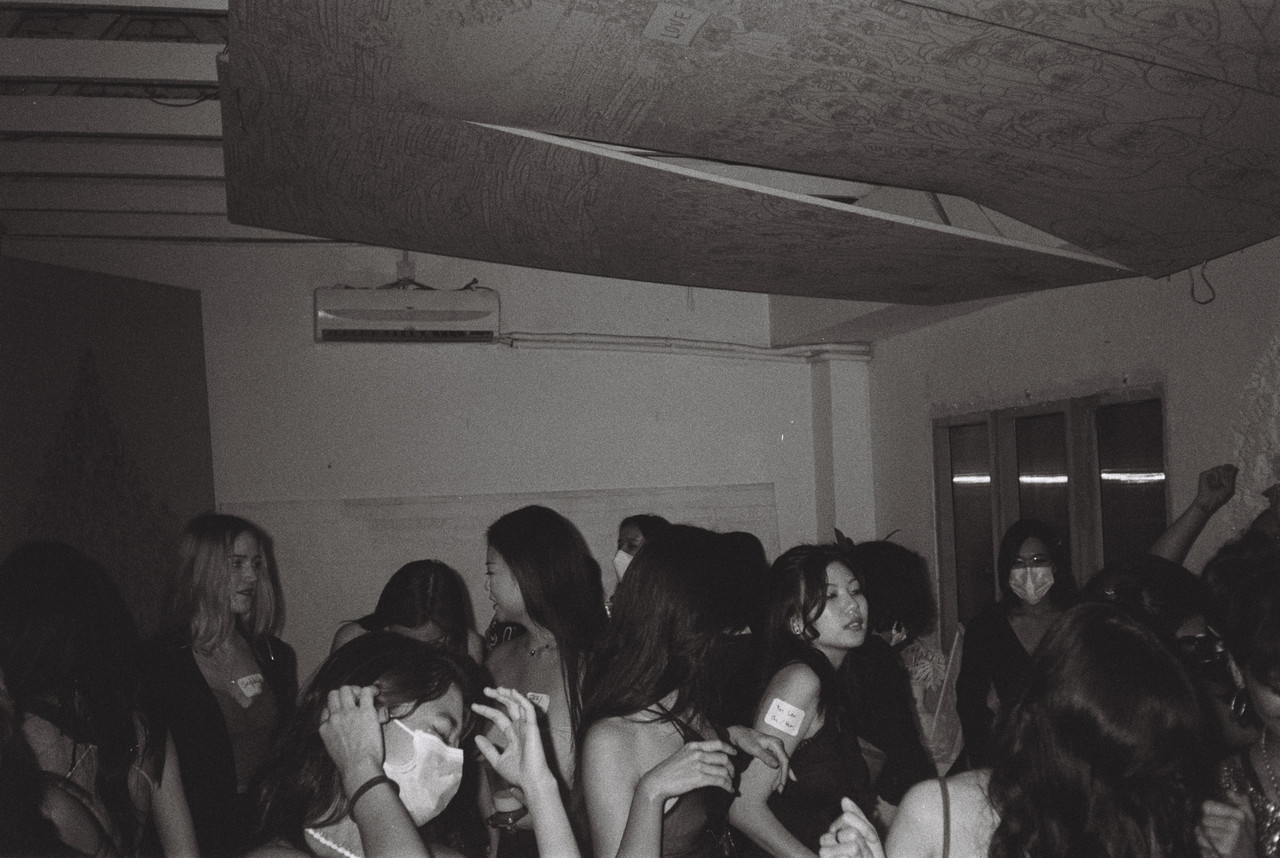
Mero’s mission extends beyond the dance floor. It brings together queer and women creatives and involves them at all levels, from designing posters to DJing and even collaborating with female-owned tuak (rice wine) brands. The initiative also enforces a strict privacy policy, refusing to publicly disclose venue locations to safeguard attendees. While many venue owners have been supportive, Mero has faced backlash from cis-hetero men who view these efforts as exclusionary rather than necessary.
Another challenge lies in staffing. Many nightlife establishments in Kuala Lumpur are dominated by male employees, making it difficult to find spaces where the entire team aligns with Mero’s ethos of prioritising women and queer individuals. Despite these challenges, Mero continues to thrive, offering an alternative nightlife experience where safety, identity, and self-expression are celebrated rather than compromised.
These parties will not only continue to take place in Malaysia, but serve as an encouragement for more safer spaces to emerge in the country. With the intentions, approach ,and protocols that aim to encourage diversity and inclusion, Munjiy hopes to inspire others to create similar events, pushing the boundaries of how nightlife can be more inclusive. As Munjiy puts it, »Everyone wants to party, but the safety aspect gives people a second thought.«
Through Mero, they are proving that a different reality is possible—one where women and queer individuals don’t just attend the party but own the space.
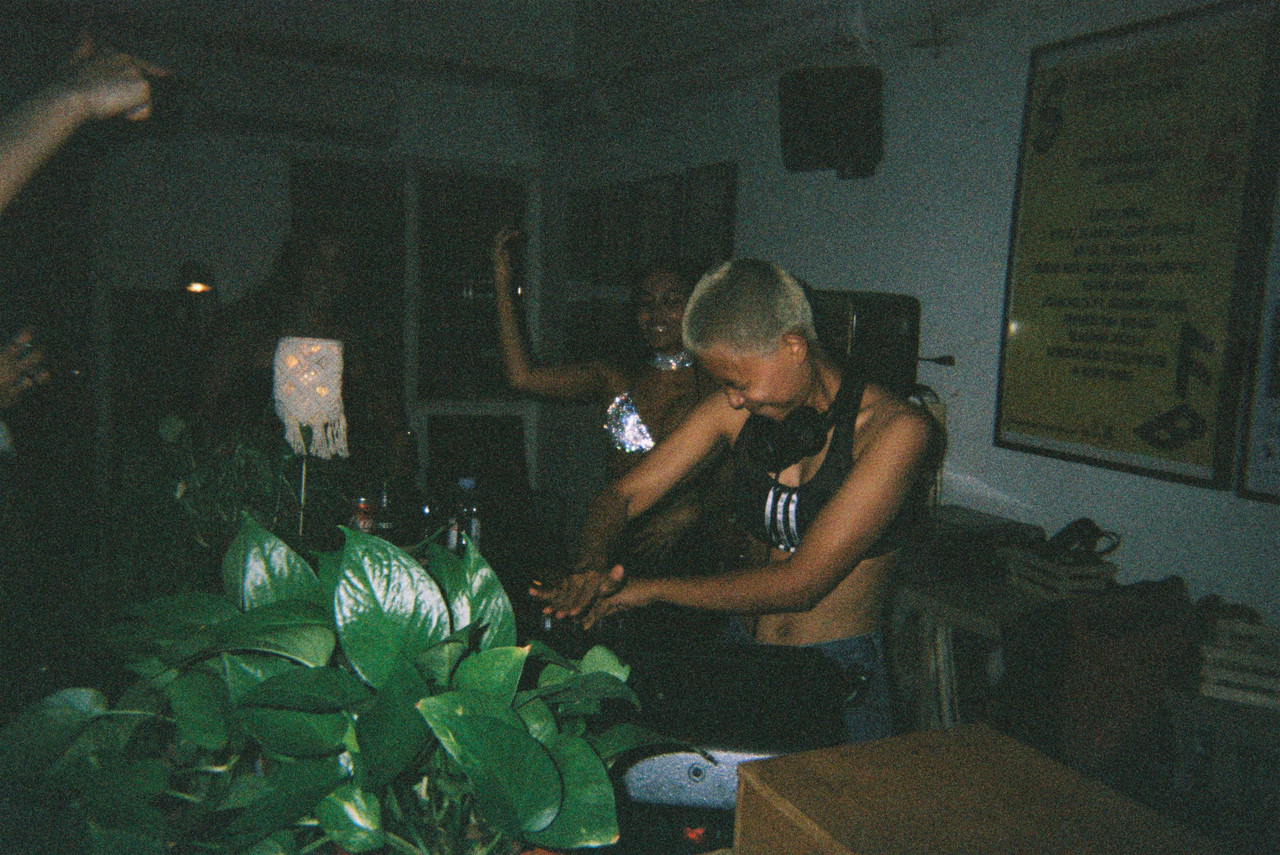
BASS DOH @ FONO KL (24 AUG 2024) by Munjiy
BASS DOH @ FONO KL (24 AUG 2024) by Munjiy
Suhsi | SPEED 速度 | 049 | by Speed 速度
Suhsi | SPEED 速度 | 049 | by Speed 速度
Earlier, clubs like Sinners gave other examples of grassroots independent spaces that hosted similar initiatives before they turned commercial. Notably Sinners club hosted 3NiTi, a Southeast Asian all-femme and queer DJ collective founded by Malaysian-based DJs Sushi, rEmPiT g0dDe$$, and Indonesia-born Metamoksha. Advocating for a genre-fluid approach, 3NiTi has also actively fostered connections across Southeast Asia through collaboration with prominent queer collectives such as Non Non Non led by Mae Happyair, and gigs at esteemed underground venues such as Arcan in Saigon and Decommune in Bangkok. The trio have likewise invited like-minded DJs to their events in Kuala Lumpur, from international artists such as LnHD from Yangon/Phnom Penh, to connecting with other local talents and organizers such as emerging Kuala Lumpur DJ ambii, member of DIY collective Core Values.
Born after the second wave of COVID lockdowns in KL, the formation of Core Values coincided with a rising interest in more niche or alternative forms of dance music. The music at Core Values nights »… is fast. It's at turns frenzied, unrelenting, exuberant, and cathartic. We do favour a harder sound, but it’s always done with reverence to silliness, nostalgia, and local grassroots genres« says ambii.
ambii was drawn to DJing as it offers them » as much self-expression as it does a very genuine appreciation, mutuality, and kinship. My DJ-ing is definitely guided by my identity. I think back to when I was first exposed to this kind of sound, this way of partying, at queer raves in Europe. It was a very formative time for me. To experience radical celebration of queerness, and what it means to be queer, was an eye-opener. I felt more seen than I’d felt back home, yet not at the same time. The joy of my identity as a queer person being validated often clashed with the microaggressive flippancy that diminished my identity as a queer person of colour. Now back in Malaysia, I feel much more at home, and this feeling of intersectionality that I needed so badly before is what I’m hoping to cultivate in the scene here.«
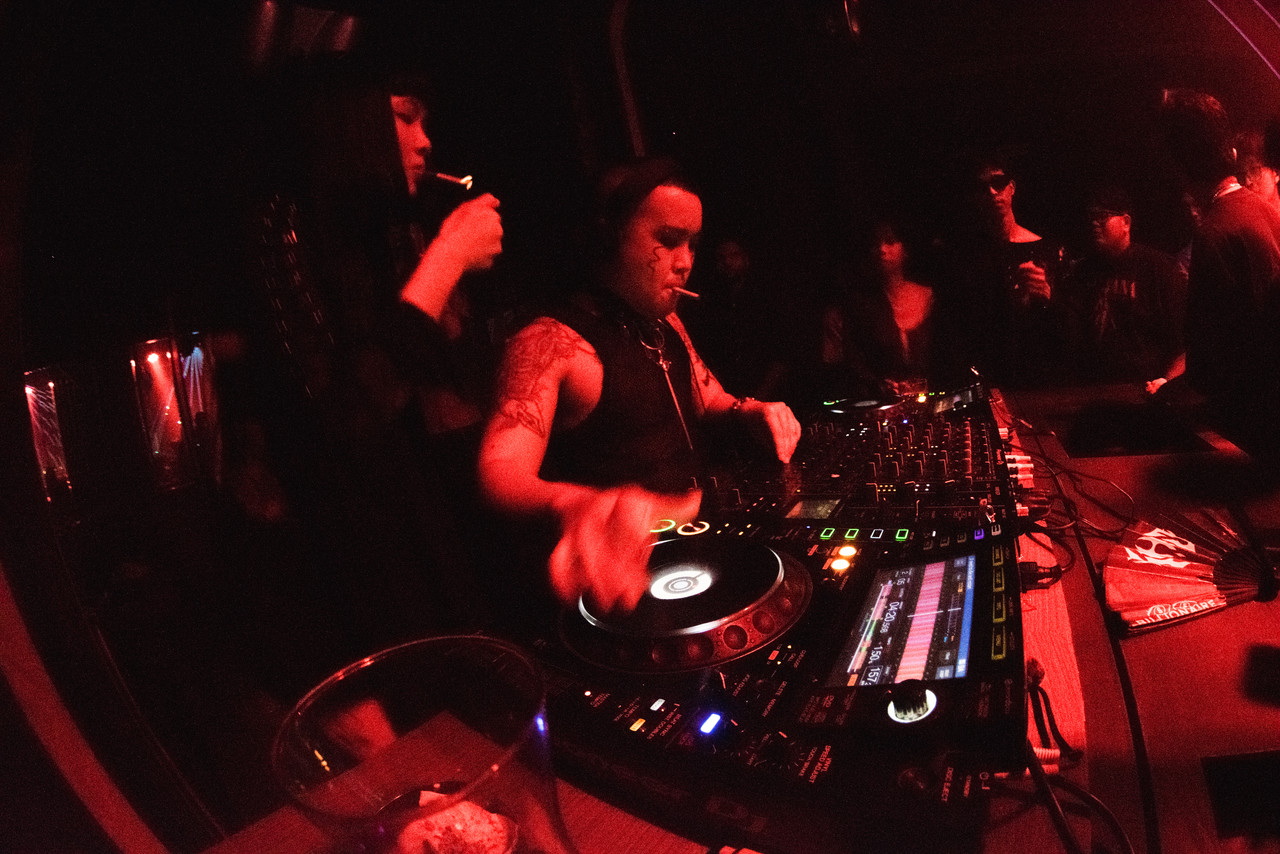
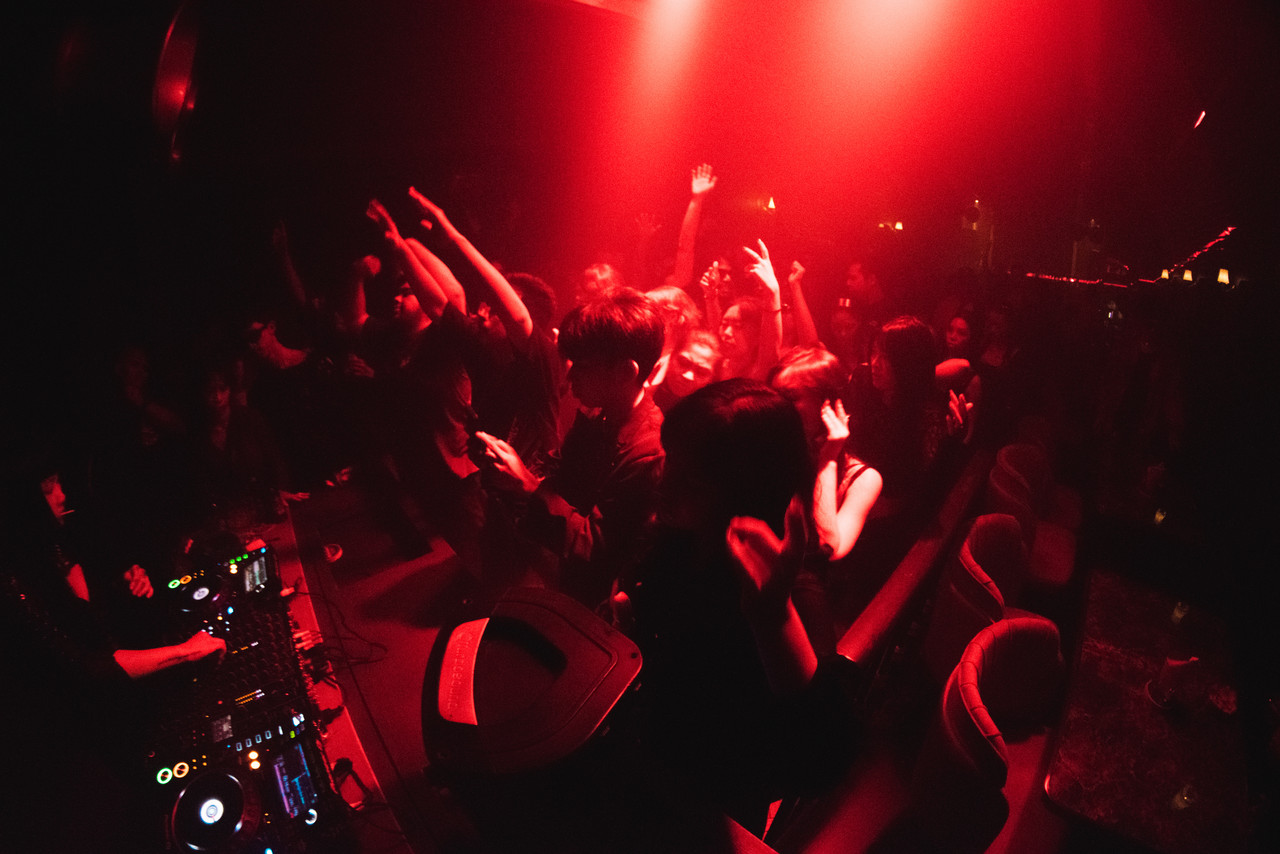
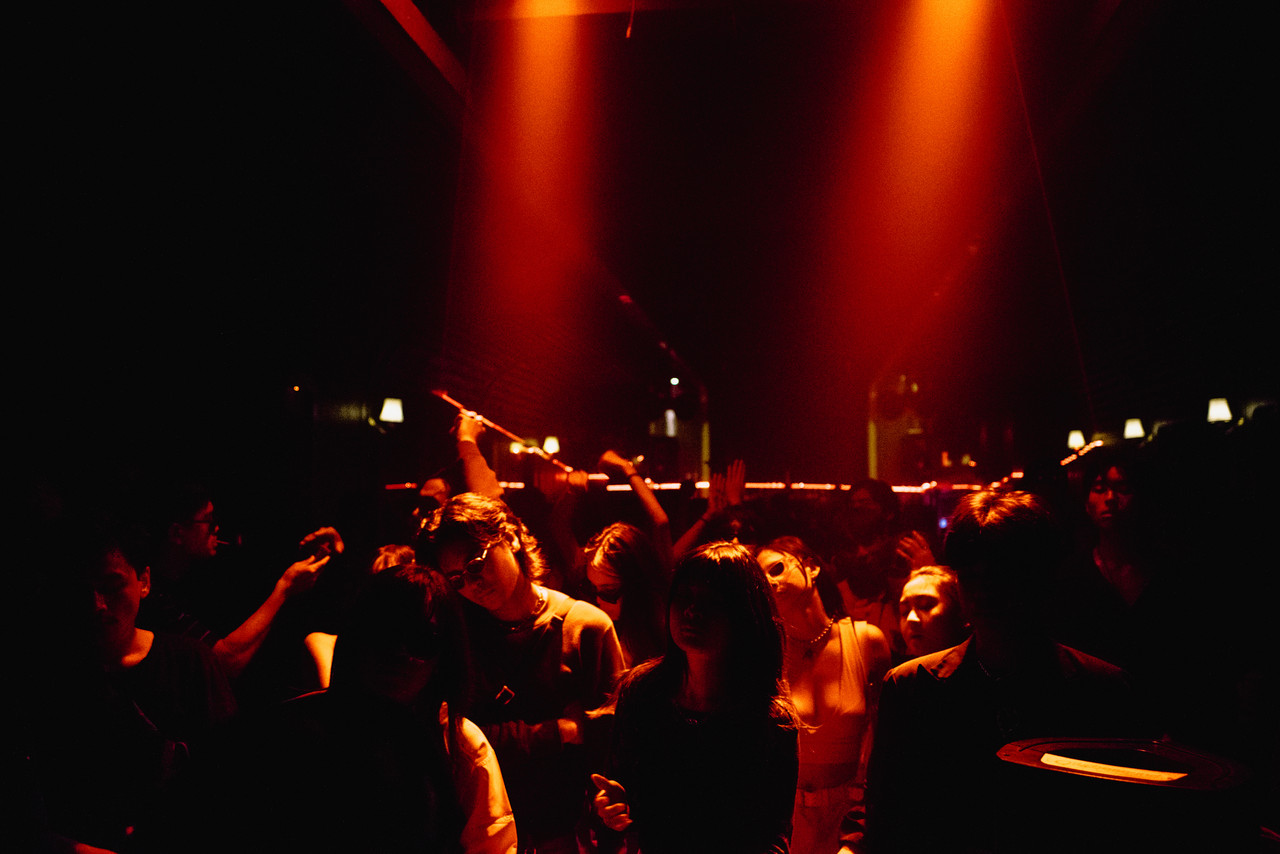
Queer raves in Malaysia seek underground and independent spaces because they depend on them. With mainstream clubs being risky due to authoritative raids, discrimination, and the looming threat of exposure, these DIY spaces become necessary sanctuaries. Queer raves thrive in secrecy, shifting between hidden locations, with access tightly controlled through word-of-mouth and encrypted group chats because for the community, safety isn’t just a consideration—it’s imperative for the movement to stay alive.
For many queer individuals, the internet and raves are the only real ways to find each other. Social media, private messaging, and digital networks are lifelines, making queer raves possible in a country where being visibly queer can come with serious consequences.
»The ability to lose yourself in the crowd and just be is so freeing. Especially in scenes like ours, that are already at the fringes of society. For KL in particular, it’s a pretty closed-off community. It may seem daunting to newcomers, but that’s exactly why it feels safe for me. It’s always the same handful of collectives or organisers. You go to any event and you’ll see so many familiar faces in the crowd. And we’re very limited by our choice of venues too, so. Same places, same faces, everyone knows each other. It was very much the same as what I experienced in Europe, albeit on a much larger scale.« ambii continues.
In recent years, rave culture in Malaysia has experienced growing popularity and acceptance, largely due to the globalization of techno music culture. This shift is closely linked to the rise of grassroots genres originating from KTV culture (essentially private karaoke rooms used for private partying), such as fengtao, manyao, and dangdut (which have Indonesian roots), and are increasingly favoured by younger audiences. As demand for diverse and innovative club experiences grows, the DJ industry has witnessed a rapid growth in new talents. Among these emerging figures, the presence of female DJs has notably increased.
However, this growth is also accompanied by the rising prominence of social media followings, a trend that has become alarmingly desirable within the industry. Although statistical data indicates a positive growth in the representation of women in the DJ scene, the broader narrative surrounding the cultivation of an inclusive rave culture is misconstrued. The focus has shifted toward market-driven ideas and image-based bookings, rather than nurturing an environment that genuinely promotes inclusivity and diversity. This shift distorts the potential of clubs to serve as authentic spaces of acceptance.
As local promoters become more capitalistic and less driven by the need to cultivate an environment centered on inclusivity, queer communities are often left to create and sustain their own independent spaces. As a result, the future of a truly inclusive rave culture in Malaysia depends on grassroots, independent initiatives and not commercialized spaces that currently dominate the scene.
»There’s more awareness. Queer artists and musicians have always been so foundational to rave and electronic music, and they remain at the forefront. Knowledge of this is just growing. The kids I’m seeing coming up in the scene, I won’t comment much on algorithmic identity-building, but they’re served so much information and they know what’s up. I see them shaping the scene in ways that feel exciting and forward-thinking.« ambii continues.
Lethal Fantasies by Bussy Temple & Align Online w/ ambii - 10/09/2024 by HKCR
Lethal Fantasies by Bussy Temple & Align Online w/ ambii - 10/09/2024 by HKCR
The growing interest in grassroots music cultures emerging from KTV can be understood as a response to younger audiences' desire to connect with something more personal and locally grounded. KTV culture, which has long been a central element in Southeast Asia’s social life, is particularly accessible to working-class communities, as it provides a form of entertainment that can be affordable and widely available. While it has strong ties to working-class populations, KTV culture is by no means limited to this demographic; it is popular among people from all different backgrounds and social classes, highlighting the multicultural and multi-ethnic nature of Southeast Asia.
Beyond its role as a popular social activity, KTV culture also reflects a broader cultural desire for decolonization. In the post-colonial context of Malaysia, KTV offers a form of resistance to the dominance of Western cultural influences in rave culture by providing an avenue for individuals to consume music culture and reclaim narratives that are more reflective of their own local experiences and identities.
For younger generations, this denotes a pivotal moment to reclaim cultural agency and redirect autonomy in the face of globalised influences. The rise of these grassroots music movements highlights a growing interest in cultural preservation, where local traditions and expressions are celebrated over the domination of foreign music cultures. In this sense, KTV culture transcends mere entertainment, it is a subtle yet powerful form of cultural practice that motivates self-determination for Malaysians.
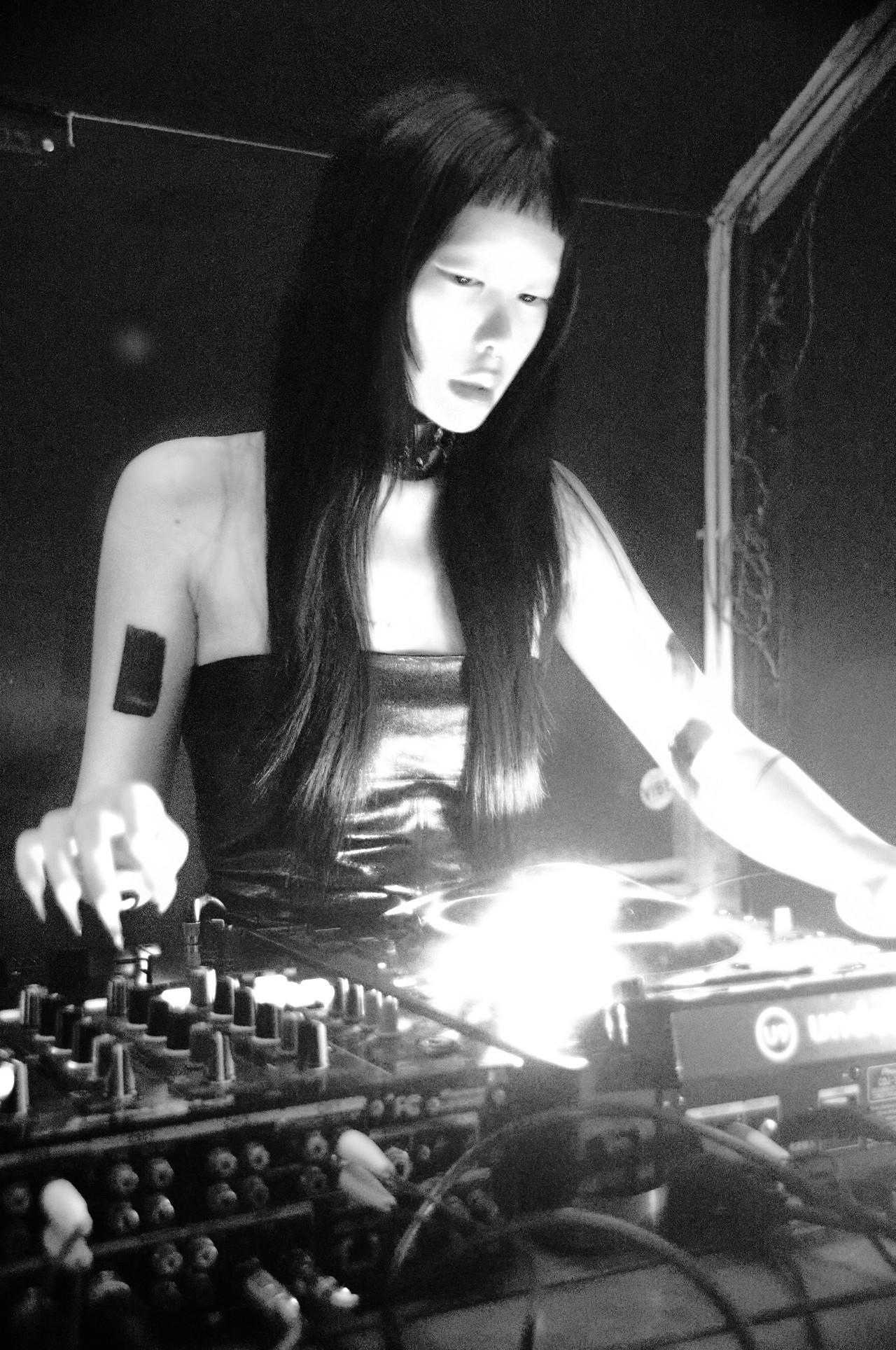
»Growing up, I wasn’t very in touch with local culture. But this disconnect is precisely what sparked my interest in local grassroots music cultures, and that interest has only deepened as I continue working through decolonisation of the mind. Make no mistake—this music is being made by working-class locals, people who likely never set out to create something avant-garde. Yet, I’d listen to it and to my ears some of it just sounds so crazy. Complex and forward-thinking without even trying to be. That’s something inherent. We’re facilitating a deeper appreciation for the culture, celebrating this cultural wealth. It’s a statement: that our roots are strong, they’re cool, and we should take pride in them.« ambii concludes.
Malaysian poet, music composer, filmmaker, and founder of binatangbintangworks, Syukri Rahim recently showcased »Pests Enroach« at Kenduri Seni Pattani festival. He is taking a break from DJ-ing and producing electronic music to focus on filmmaking. In his two-channel video, Syukri criticises the regulation of same-sex expressions in film by the Malaysian Censorship Board (LPF) by categorising same-sex expressions under the same clause as pornography, and restricting any indication or representation of queer identities.
»I try to approach social issues in a philosophical manner« explains Syukri in his thought process of making queer films.
He released a micro short film titled 阳光见证 THE SUN AS OUR WITNESS in 2021, depicting a male protagonist reciting a monologue to his lover who is then revealed to be another male at the endi. »The sun will never witness our existence because here, we are nothing« reveals the protagonist’s grievous acceptance of the reality of being a queer individual in Malaysia. One is forced to live in the dark, never revealing one’s true self to the public. Much like individuals are forced to suppress their queer identities in order to live in Malaysia, locally-produced creative work with queer representations portends censorship. This inevitably creates a vacuum where Western media becomes the only source of queer voices and stories for Malaysian queer individuals to consume, highlighting a two-fold challenge for the queer community in the country.
Navigating political suppression on the one hand, and media availability on the other, Syukri shares his thoughts as a queer artist and creative producer in Malaysia, »We need to have our own identity. What makes YOU a queer Malaysian? We need to push all these Western ideologies that interject into our culture, and create our own path. We need to let go of the remnants of Western influences in our creative work.«
While the conversation with Syukri highlights a shift to Western narratives due to repression of local ones, this shift is also at times deliberately undertaken by local artists as a way to maintain social relevance. For example, the traditional shadow puppet performance Wayang Kulit, banned in 1998, has struggled to preserve its place and essence. The shadow puppets’ characters are based on the Hindu epics of the Hikayat Ramayana and the Mahabharata, but are now often replaced with characters from Western media, such as Star Wars. This shift of narrative into a modern space Western interpretation of »Good vs Evil« intends to attract the younger generation in participating local shadow puppetry shows in villages—keeping the tradition of Wayang Kulit alive.
»Class consciousness is equally important,« adds Syukri. »The economic disparities between classes is apparent and it's the reason why queer creatives are not moving forward. Working class queer artists are barely making ends meet. The creative industry needs to be forefronted by queer individuals, it is the only way we can achieve radicalness.« Syukri’s call to strengthen queer voices in the creative scene underlines his belief that censorship of queer representation threatens the future of locally produced films.

The aspiration to see queer individuals at the forefront of Malaysia's cultural landscape may seem unattainable, given the foundational political and economical structure of a deeply-rooted conservative society. The trajectory of queer rights in Malaysia remains uncertain, as its future is profoundly influenced by the dominant belief system that rules the nation. Nevertheless, the pioneers within the queer scene—those who have actively contributed through organising raves, DJ-ing, and other forms of musical mediums—signal a significant, albeit subtle, progression that carries forward a long and rich queer Malaysian history. Their contributions, though often marginalised, are invaluable and leave a lasting impact. Through raves, the potential for collective empowerment and solidarity continues to unfold.
Underground rave culture, in this context, acts as a crucial space that brings together the dreams of acceptance with the harsh realities of marginalisation and isolation. In these spaces, collective empowerment and solidarity become driving forces, giving queer individuals a chance to share the weight of their personal struggles and find strength in one another.
On the DJ deck and the dancefloor, a sacred connection is made—one that goes beyond the temporary struggles of social and political challenges. This bond becomes a ritual of collective healing and resistance, reaffirming both personal and communal strength. In this way, this cultural movement continues to shape the path for future generations, giving them something to build on and honour in the pursuit of queer solidarity.
In writing this piece, I would like to express my gratitude to the queer artists, organisers, DJs, and filmmakers who have generously shared their work and experiences with me. These individuals are to be remembered not merely for their artistic contributions, but for their courage in the face of systemic oppression. Their efforts are a powerful reminder of a community that, despite being constantly marginalised, continues to fight and reshape the boundaries of self-expression and solidarity in a place that tells them they don’t belong.
Victoria Yam is a cultural and sound practitioner whose work weaves Southeast Asia's cultural and traditional practices with contemporary media. She is the founder of ALIGN.ONLINE, a platform dedicated to amplifying the accessibility and visibility of Southeast Asian women and queer practitioners, and a member of Wayang Women, a collective reimagining Southeast Asia’s shadow puppet theatre through a feminist lens. She was the 2024 International Winner of the Oram Awards.
This text was commissioned as part of CTM 2025.