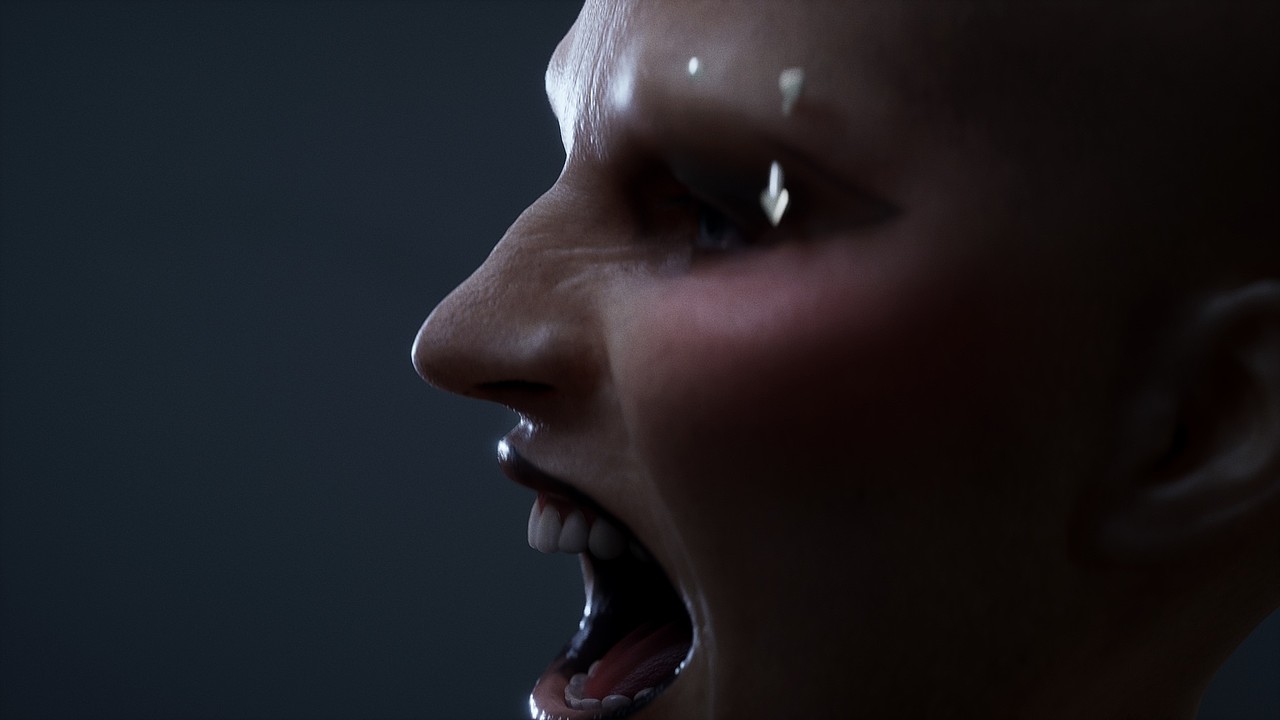
РИБАЧКА
Дивлюсь вдаль. Латаю снасті.
Вночі тривожусь і тужу.
Щоб не накликати нещастя, –
про це нікому не скажу.
Чекаю довго і терпляче.
Без тебе скрізь. З тобою – скрізь...
Але над морем не заплачу –
воно і так гірке без сліз.
Ліна Костенко, Мандрівки серця, 1961
RYBACHKA
I look into the distance. I patch the fishing tackle.
At night I worry and grieve.
To not cause misfortune — I won't tell anyone about it.
I'm waiting long and patiently.
I’m without you everywhere. I'm with you — everywhere ...
But I will not cry over the sea — It is already bitter without tears.
Lina Kostenko, in Journeys of the Heart, 1961
What happens to haunting memories suppressed in the darkest corners of the brain? Do they evaporate from your system? Or do they freeze in your body, numbing the limbs, lingering under the skin, and making your reflection unrecognisable in the mirror? How do you translate the buzzing in your blocked ears, shut deaf from the painful screaming? How do you describe the dryness of your mouth when you come back home and breathe in the dust of the land, drained and neglected by the occupiers? And how do you stay afloat in the softness of the warm clay-milk cooking on a low fire, stirred by the people who don’t give up on you, pulling you out of the swamp that you are sinking into to drain your fear and guilt?
It's April 2022 and I am standing at Kottbusser Tor in Berlin, with the song »Rybachka« (the Fisherman’s Wife) looping in my head. The news of the massacre in Bucha has just come out after Russian invaders withdrew from the areas around Kyiv. April is also the month when Berlin becomes beautiful, and people start to fill the streets, soaking up the light and life. I can't recall the exact lyrics of the song, but I know it from my teenage years when I was studying in Kyiv, and life felt innocent and hopeful. My mind longs to be there because it feels warm, but I am where I am, and what's happening in the place where I grew up is against my will. I feel the abuse penetrating my body and mind.
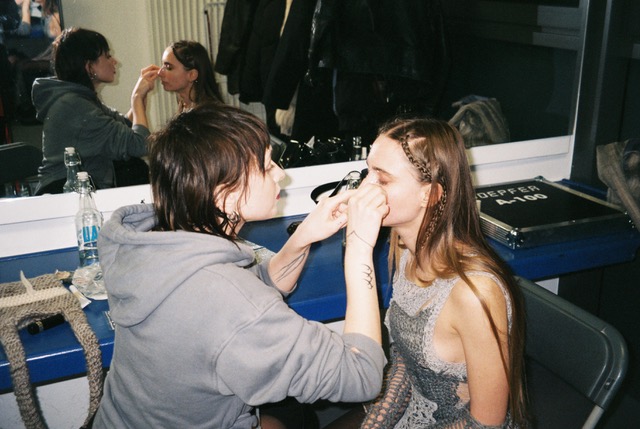
This was the starting point of Rybachka, my long-term project that brings together artists from different disciplines and backgrounds to honour collective resilience and speculative folklore. For the first edition premiered at CTM, I brought together collaborations between Ukrainian musician Katarina Gryvul and Peruvian multimedia artist Alex Guevara, and between the Syrian-Ukrainian multidisciplinary artist Diana Azzuz and the Iranian musician and artist Nazanin Noori. In these pairings, the artists translated their mutual interpretations of the bodily reactions to shock and distress, tipping into universal connections between different experiences, potentials, and places without being too literal or populist about it. I am currently working on enabling further exchanges between artists who work in performance, video, set design, and fashion.
Later in 2022, I learned that »Rybachka« is based on a namesake poem by Lina Kostenko, one of the most influential and important Ukrainian poets of the 20th century whose work explores national identity, feminism, and resistance to oppressive regimes. The leitmotif of resisting the Kremlin's tyranny and disconnecting from the Soviet mentality has been present among Ukrainian cultural activists for decades, depending on their area of origin and their local history of oppression of culture and language. Today we’re learning in the hardest possible way that the metastases of this regime are still spread around Ukraine and won't let go easily unless the tumour is treated and all cancerous cells are removed. This surgery is very invasive, and the recovery will take a lot of time.
Like the fisherman's wife in the song, I keep patching the tackle of what used to be meaningful and real with my numb hands.
In an interview with the podcast »Lokalna Istoriia« (Local History) in December 2022, Ukrainian psychoanalyst and essayist Yurko Prokhasko discusses the transgenerational trauma caused by the Holodomor (the famine/genocide of millions of Ukrainians in 1932-33 due to Soviet policies) and the current trauma inflicted by the Russian invasion. He emphasises the importance of acknowledging how deeply-rooted the Holodomor is in Ukrainian identity, and how resistance against the current invasion presents an opportunity to heal from this old trauma. Holodomor was also about taking away security and lives, but its resistance was silenced, and the generation who survived Holodomor would rarely talk about it because of feelings of deep shame and helplessness. Prokhasko highlights the significance of reclaiming the land in the current war, speaking out against abuse, and standing together as crucial steps in this healing process.
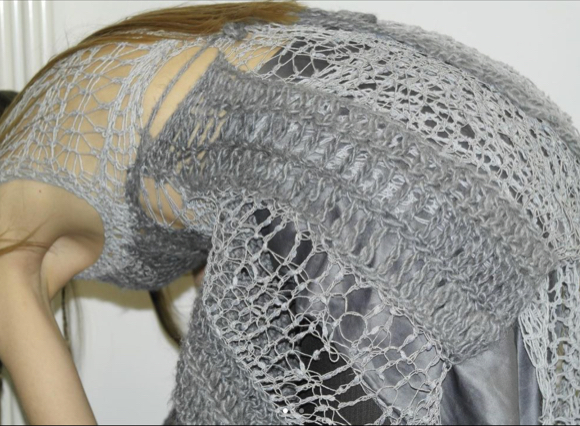
Prokhasko also explores the concept of transgenerational healing and the necessary factors for its realisation, such as time and acknowledgment. He speaks about a museum of pain, the experience that words fail to describe; so I seek to document pain with tools beyond words. He contrasts today’s experience of invasion with the experience of the Holodomor in the 1930s, when people were subjected to starvation, impacting their fundamental survival needs and profoundly affecting their sense of humanity, for example with the deep shame connected to cannibalism and extreme physical weakness. Today, people are more vocal and unashamed, which leads to a reflection on the power of being heard, of having others stand by your side, and on the role of empathy. Drawing a parallel, the idea of patching a net and tightening loose loops symbolises the importance of supporting one another, even in wordless ways, as individual strength alone is insufficient. Building strong, meaningful connections creates a collective strength capable of bearing great weight.
Obsessively reading Kostenko’s poem, I realised that I’ve been numb and disconnected from my body for a while since the barbaric Russian invasion and since their unspeakable cruelty became everyday news, something we were forced to get used to. But, like hundreds of thousands of other people affected by this atrocity, I kept doing my work because that's the only thing that keeps you sane, kind of. I became fixated on the image of repairing a fishing net and saw it as a metaphor for fixing oneself together with people who don't give up on you. It gave me hope that even when broken, we can function and feel again when the pieces are reconnected. I began collecting visual and sound references, reaching out to artists who could relate to the feelings captured in the song and my reaction to it, and imagining how the set and outfits would look if the artists performed their interpretations on stage. I thought about the stories of damage and healing we could tell together without being forceful or literal, turning inward and listening to our bodies when our minds refuse to process the harm, voicing our truth now before it gets twisted and erased by invaders. I have an obsessive relationship with my memories and other mental images that feel like memories but are maybe not. I now think that maybe these are someone else’s memories, of people I obsessively want to collaborate with.
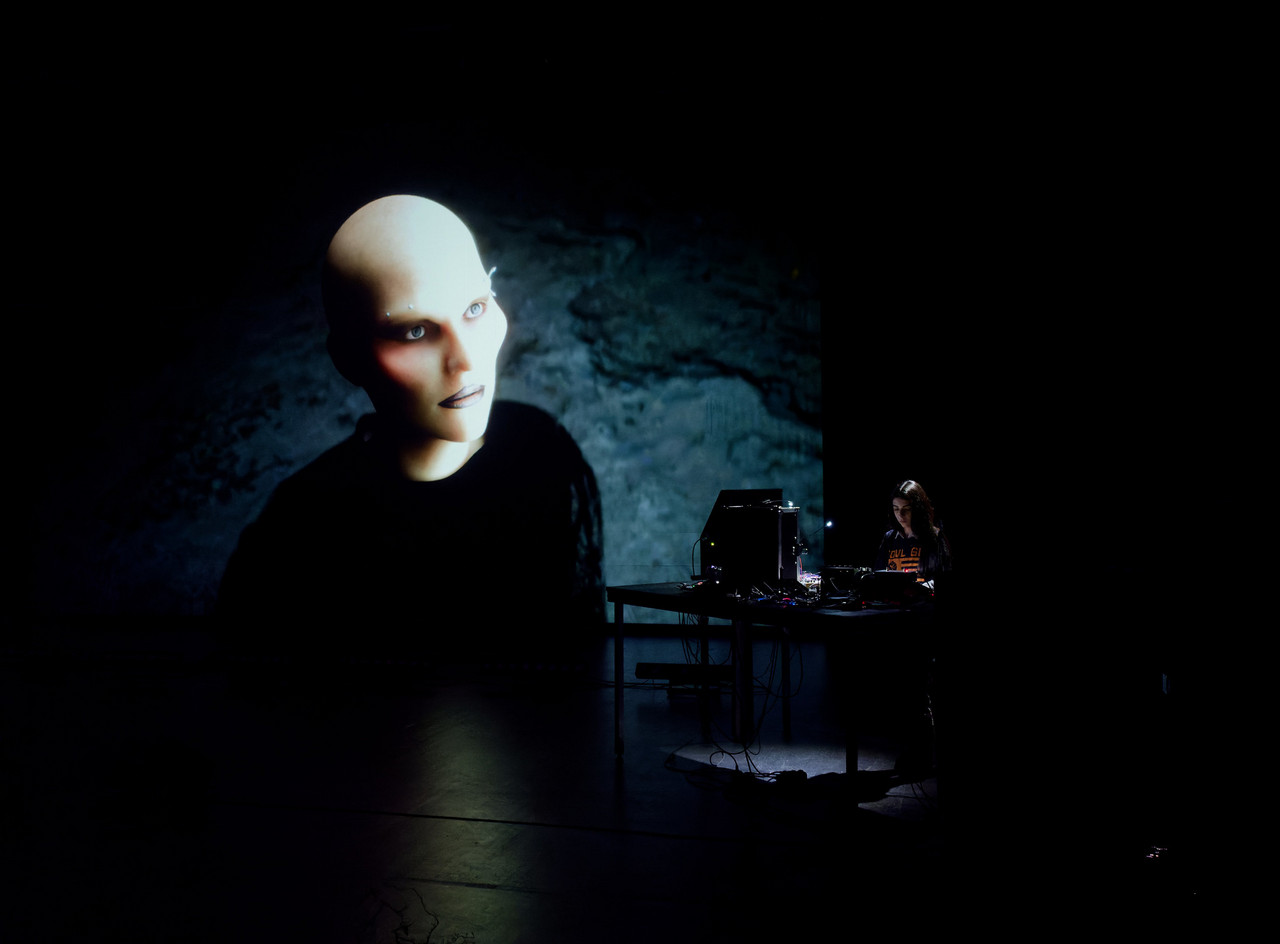
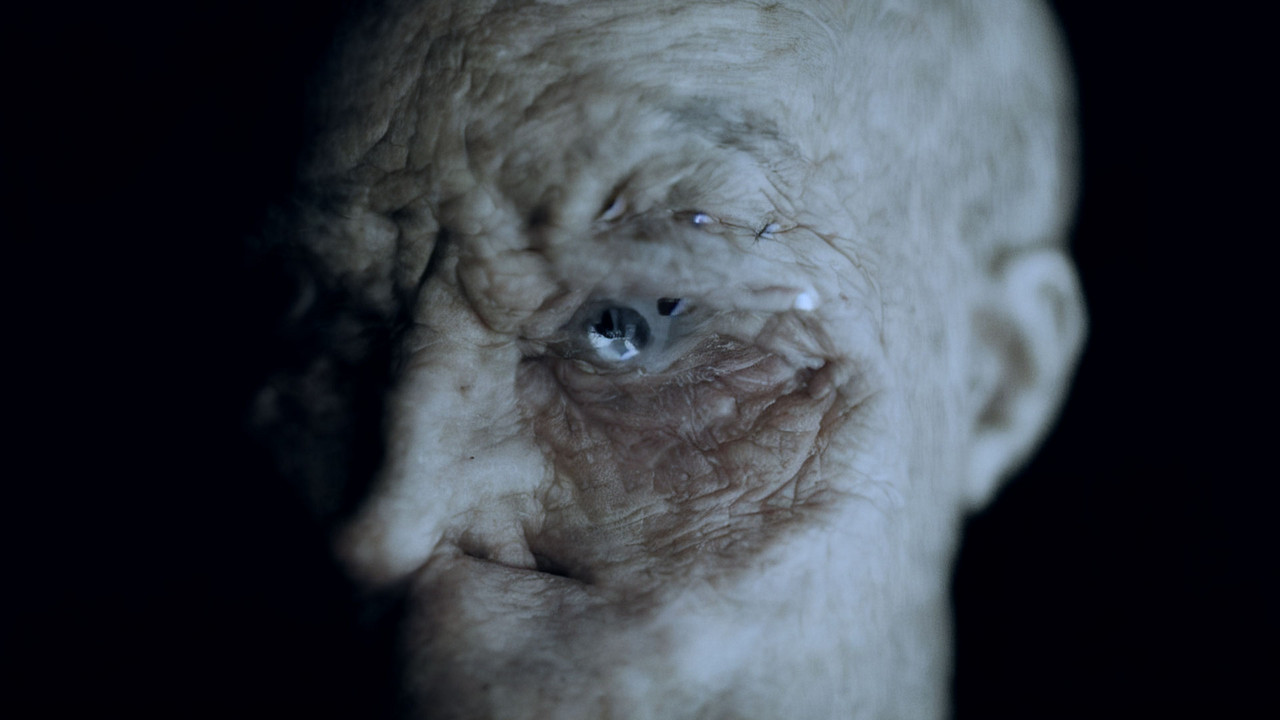
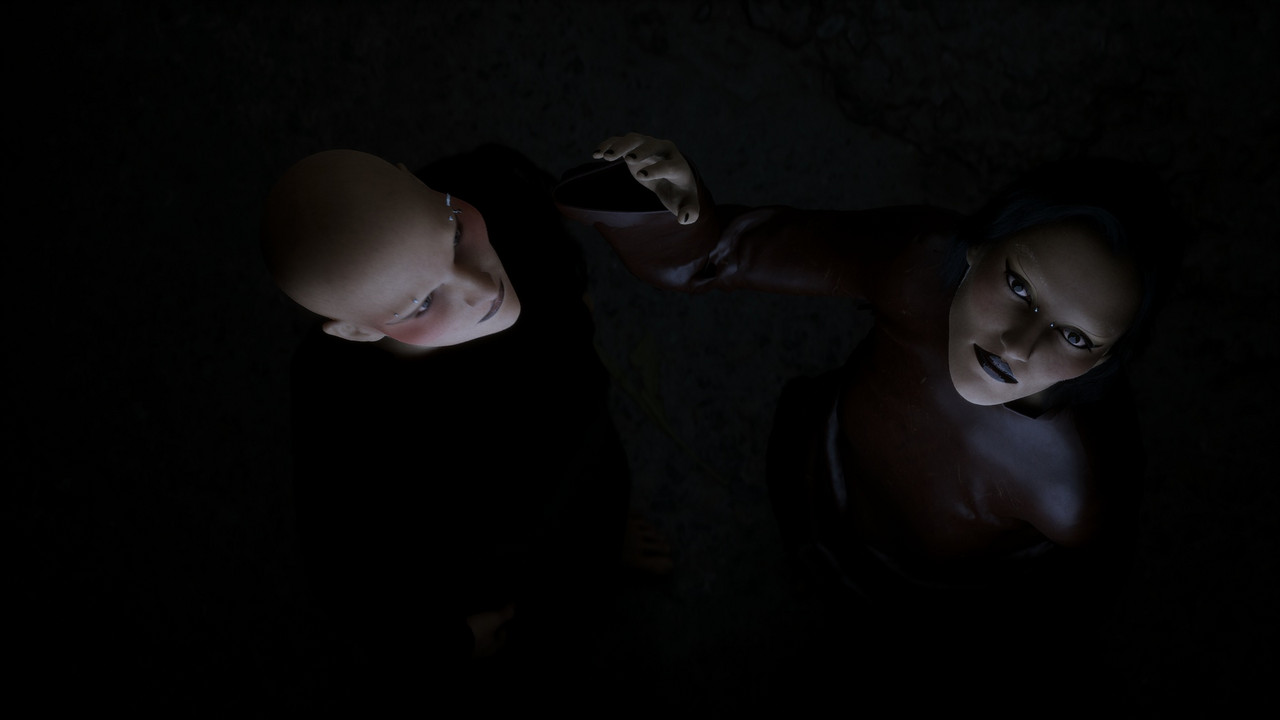

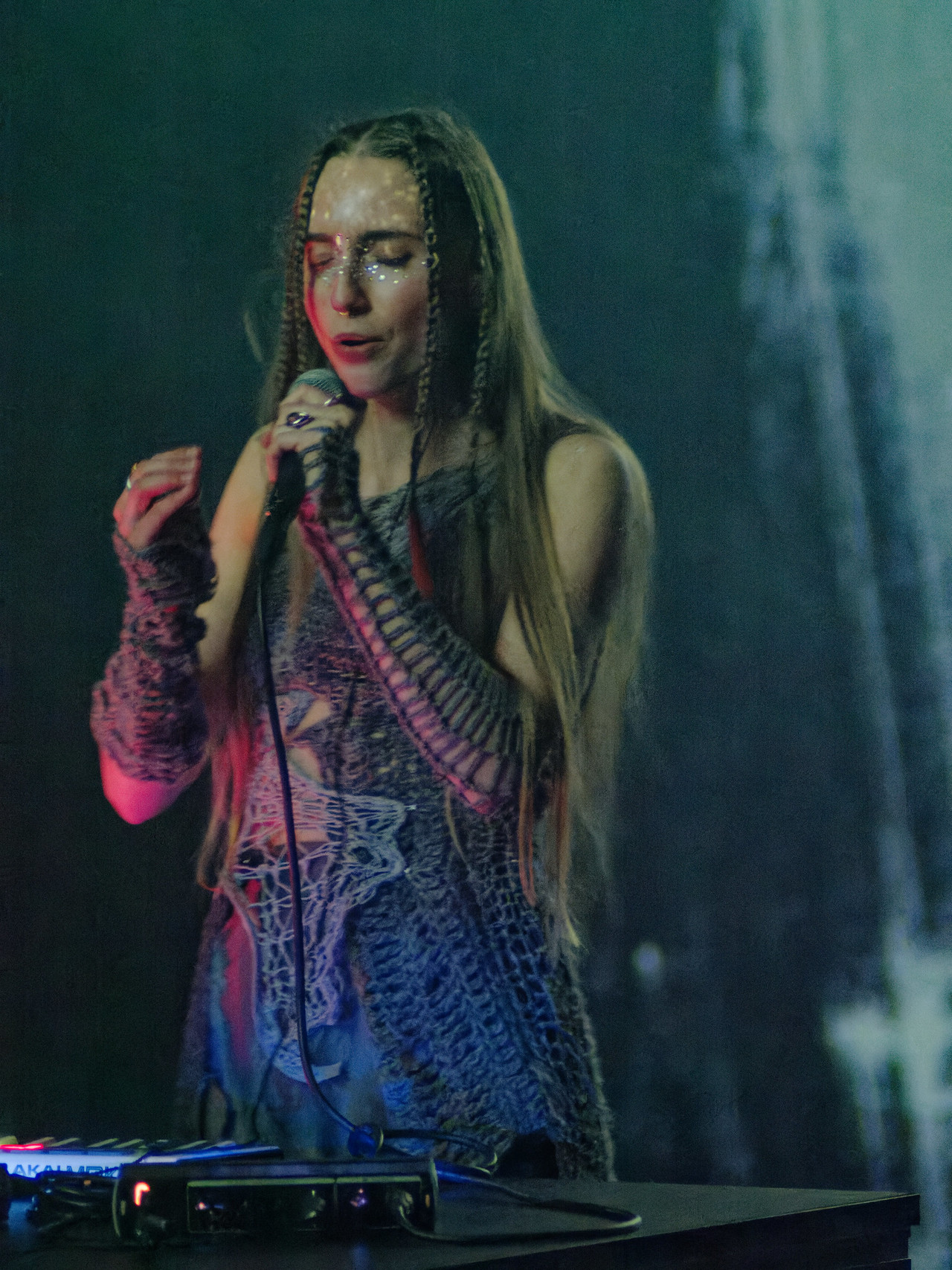
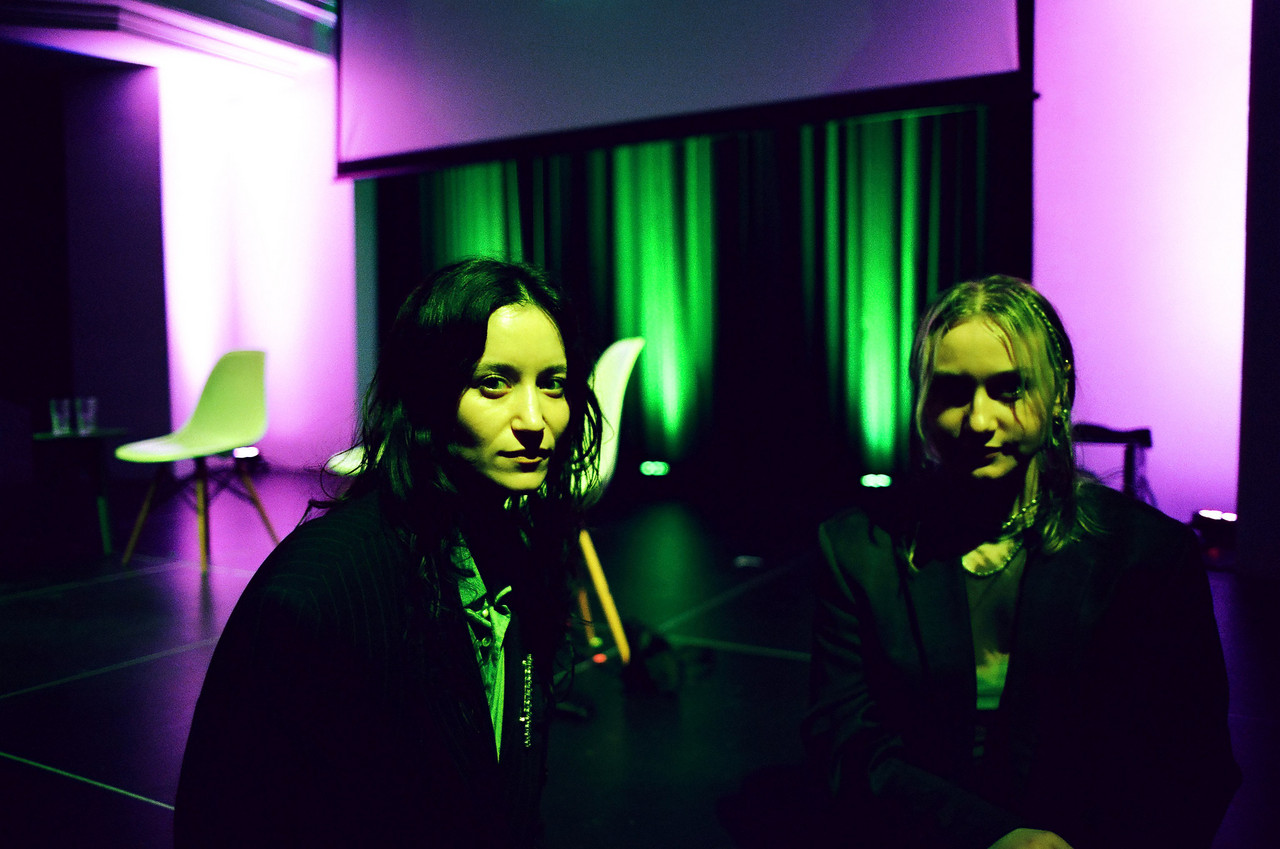
Diana Azzuz was the first to join the collaboration. Her 3D characters are derived from personal reflections on the normalcy and transformative effects of anxiety, representing a fragmented and unsettling self. For Diana, it was crucial not to be confined as an artist solely focused on political turmoil due to her Syrian and Ukrainian origins but to be recognised for her artistic expression in the mediums of video, sound, and AI-generated imagery. We both felt sensitive towards the narrative presented in popular media surrounding projects by artists from »problematic areas,« and the expectation around portrayal of »trauma porn.« When shock, anger, sadness, and grief become tokens of the narrative, and interviews with artists are presented alongside images of tanks or crying children, the automatic description of the artist and their work becomes »traumatised,« »suffering,« and »resisting.« While these elements may indeed be present, it is essential to ask if they accurately and respectfully capture the intention behind the work before applying such labels. Conversations on these topics and the in-between narratives are integral to Rybachka. It is crucial to me that we tell our own stories and document our own experiences, before our history gets »Westsplained« to us. Collaborating with Diana also made sense because we both recognise a shared cycle of self-irony that, without intervention, can lead to self-cancellation. It was a good point for mutual intervention. As part of Rybachka, Diana created a haunting meditative video work, accompanied by the music of Nazanin Noori, who captured the disturbing experience of mental dysmorphia while leaving plenty of room for individual interpretation.
Nazanin Noori, works with modular synthesisers, improvisation, space, sculpture, and post-dramatic poetry. She actively communicates events in Iran, where her family comes from, and also criticises the media's tendency to impose sensational narratives on her work, preferring not to be interpreted too literally; despite being Iranian and politically engaged, her music is not a mere news report. Nazanin admits that no matter how engaged she is with the revolutionary processes of Iran and their horrifying consequences, she feels uncomfortable appropriating the suffering of people burning in prisons, poisoned in schools, and screaming on the streets. No matter how traumatic the effect is on her, she is well aware of observing these events from a safe place in Germany. In her collaboration with Diana, she reflected on her body's reactions to the collective struggle: »I tried to abstract the numbness that comes with all this information,« Nazanin reflected after the performance. »When the prison in Iran was burning, my ears shut off and I was really hearing this drone, and I thought that the only way I can translate this emotion as a diasporian is to give this pressure space and to translate it into a sound. This numbness that Diana and I were translating in our performance happily made a universal statement.«
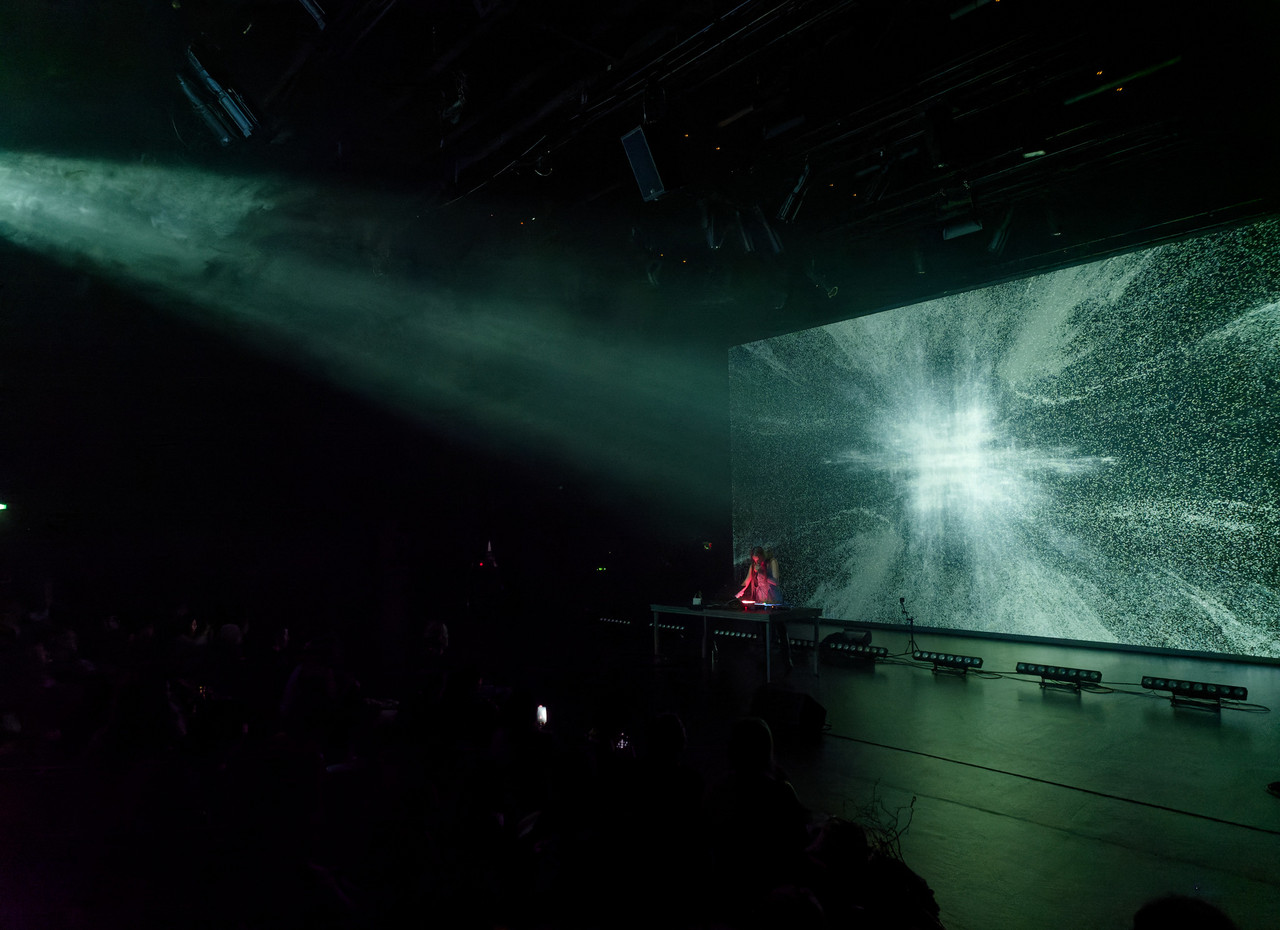
The second collaboration within Rybachka at CTM was an audio-visual concert featuring Ukrainian artist Katarina Gryvul and Peruvian artist Alex Guevara. Katarina, known as a professional violinist, composer, and experimental electronics artist, began exploring her voice and breathing as tools in her 2022 album Tysha (quietude), released shortly before the onset of the full-scale invasion of Ukraine. Unfortunately, the war silenced her voice, leaving her creatively paralyzed and triggering her first panic attacks. In an effort to break free from this state, she recorded these experiences, seeking a way out of her emotional coma. On the visual side, Alex's visually striking and technically developed big-scale art tends to be abstract, while his smaller projects delve into the healing capabilities of the brain and the sound of the body.
Rybachka started as a reaction to the invasion and war in Ukraine, but the project will continue as a more universal exploration of the histories of our bodies that want to live.
Recognising the parallels in their artistic explorations, I invited Alex and Katarina to collaborate within my narrative. I facilitated a dialogue where they could hear and interpret each other's stories. Katarina's recorded and manipulated suffocations formed the foundation of the new work she presented alongside Alex's visual interpretation at CTM festival. Their performance delved into the process of emerging from mental and physical confinement, as well as the transformative nature of healing. For Alex, it was crucial not to appropriate Katarina's emotional experience but rather to observe it with a respectful distance and interpret her music through his unique visual style and the scenography of warm embraces and erratic bursts of light. Alex's live visual performance symbolises an escape from the dark neurotic abyss towards the soft light, hopefully suggesting a way out.
Observing the collaborative working process of Diana and Nazanin, with their shared sense of dark and humorous narrative, and of Alex and Katarina, with their dramatic power and humble perfectionism, as well as the reaction of the media to our narrative and geographies, I realised the importance of minimising explanations, while allowing listeners and viewers to interpret works freely. As Nazanin said at the panel talk »Expectations Around Cultural Production in Times of War and Oppression« that followed their performance: »Whether the piece is political or not depends on who is looking at it: do you want to regionalise it or do you want to see a universal aspect in it.« She also emphasised that it’s not about the headlines, it’s about survival.
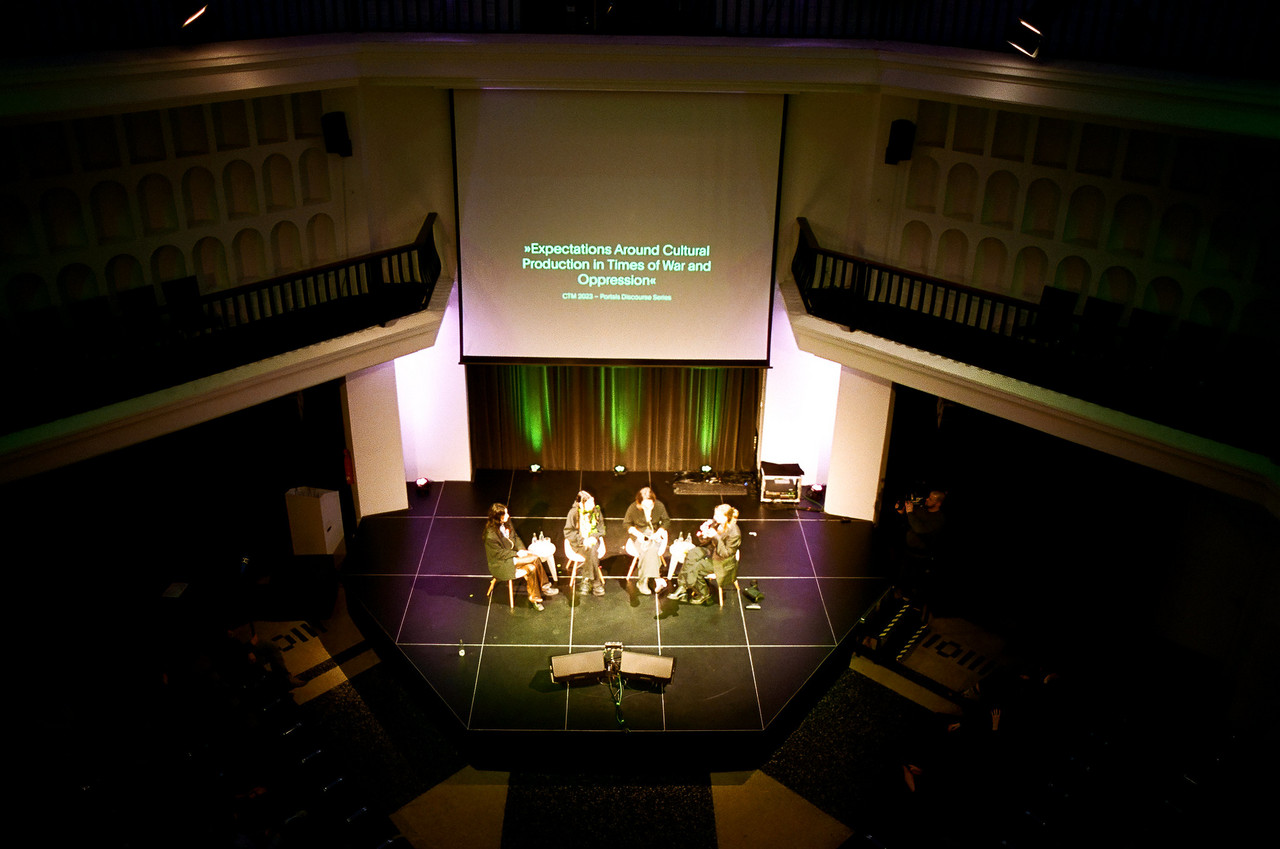
It’s May 2023. Like the fisherman's wife in the song, I keep patching the tackle of what used to be meaningful and real with my numb hands, slipping when I try to tighten the loose screws that connect my paralysed lungs and the breathing world around me. But like the fisherman's wife, I cannot think of anything but the ones caught in the storm back home. I know that my tears won't help them, so I stay detached in my waiting, isolated not only from what's around me but from my own body, unable to make sense of the senseless inhuman violence and the man-made pain. I keep myself busy mending the knots of what used to be life as I knew it. Remaining occupied and of service is the least I can do when my people are out in the storm, willing to make it back to safety. I quietly hope that my patching and calmness might make them feel slightly less alone.
Rybachka started as a reaction to the invasion and war in Ukraine, but the project will continue as a more universal exploration of the histories of our bodies that want to live. Different participants will be able to enter the work of others within Rybachka. The process will always start with conversations and learning about each other’s work. Storytelling is important, as is the willingness to listen and retell each other’s stories. We can go into the numbness together, but this entering cannot be invasive. This is what the collaborations in Rybachka are about.
We are choking with pain, but we can breathe it out, spit it out, and let the world know about it.
For the next edition of the project, I want to explore stories of ecological disaster and the psychological impact it has on people who are connected to the land, know its history, and feel repulsion towards the occupiers. I am in conversation with Palestinian artist Bint Mbareh and Crimean artist Zoe Mikhailova. Following Bint Mbareh’s work to combat the myth of water scarcity in Palestine, they will write new folklore about lands occupied by invaders who stole water from local inhabitants. Bint Mbareh's work involves all formats of sound and focuses on communal singing and building relationships with the environment, as well as death and rebirth as analogies for necessary communal upheavals. Zoe Mikhailova has been making field recordings in Crimea since its occupation in 2016. I want to work with the idea of man-made dryness, and Bint Mbareh’s suggestion that we can abruptly stop it by creating stories and speculation to disrupt narratives of the invaders. Our folklores, at least, can imagine possible futures and alternative realities. We will think of stories and traditions that explore hypothetical situations and offer creative interpretations of existing myths or legends of reclaiming your home and soil. I’ve also been talking to Odesa-based artist Undo Despot about a performance dedicated to the ecological disaster in the Black Sea contaminated with mines, oil, and dead animals. From my first conversations with this very young Ukrainian talent, I realised how dark her reality is and how she is capable of transforming it through her music and 3D visuals. For our collaboration, I also want to create a more physical environment made of nets, with knitters on stage, silk, and oil, as well as light that is like a warm cocoon, a temporary escape and a contrast to disaster. The silk and knitwear props from this performance will be transformed into a clothing collection.
As a Ukrainian, I am aware of my family's history and generations of exploitation and loss. It's significant to me that very few witnesses of Holodomor, of World War II (in Ukraine), and of the cruellest Soviet repressions remain. I wonder how our bodies have carried that history silently, painfully, and sometimes shamefully for a century. Now we will carry a different kind of history, one filled with loss and hatred, that will also last for generations but which we are finally ready and able to voice. We are choking with pain, but we can breathe it out, spit it out, and let the world know about it. We don't have to suffocate from it anymore.
Mariana Berezovska is a Ukrainian Berlin-based writer, curator, and co-founder of Borshch magazine. With her deep curiosity for the underground and a sense of community, Mariana’s writing focuses on electronic music and culture, stretching beyond production and the dancefloor, and critically examines social responsibility, community, and inequality.
This text was commissioned as part of CTM 2023 – Portals.