Introduction
Over recent decades, researchers have increasingly realised that ancient sacred sites – both venerated natural places as well as monuments – can sometimes provide various kinds of acoustic information to aid archaeological interpretation (e.g. Hedges 1993; Lawson et al. 1998; Devereux 2001; Goldhahn 2002). However, it is only within the last several years that the study of sound at archaeological sites has been given an official title – namely, »archaeoacoustics« (Scarre and Lawson 2006).
The idea of archaeoacoustics might seem to be counter-intuitive. We associate sound with transience, while archaeological sites, by definition, embody ancient time. But while we today might try to minimise or mask unwanted environmental sound (i.e. noise), people in early societies would have found the act of listening to sounds in their quieter world to be of crucial importance, both for hunting and for survival. It would also have been the case that to prehistoric and pre-modern people who did not have a scientific, wave-based model of acoustics, sound would have seemed magical: in certain circumstances, wind rustling through foliage was perceived as the murmuring of gods, echoes were the teasing calls of spirits, and the hiss and roar of waterfalls and the babble of streams contained voices from the spirit Otherworld (Turnbull 1961/1968; Jaynes 1976; Mohs 1994; Gell 1995; Feld 1996).
That environmental sound was consciously appreciated at least as far back as the Classical world is indicated by writers such as Vitruvius, who wrote about architectural features, locations, and devices relating to the acoustics of Roman and Greek theatres (Rowland and Howe 1999), or Pausanias, who remarked on a stone at Megara (at a now-vanished temple in Greece) that made a lyre-like sound when struck with a pebble and was said to have been where Apollo put down his lyre (Pausanias, Description of Greece 1. 42. 2). There is no reason to doubt that Stone Age ears would have been aware of environmental sounds, such as the rumbling echoes and other acoustic phenomena of cavern systems (Casteret 1940; Bruchez 2007). Indeed, the close examination of naturally musical stalactites and other calcite formations in Palaeolithic painted caves in France and Spain has revealed percussion damage occasioned in remote antiquity (Dams 1984, 1985). The presence of Upper Palaeolithic bone whistles or the sophisticated use of stone chimes in ancient China and India similarly reminds us that people always had ears. We too easily forget this obvious fact.
Methodology
The study of sound at archaeological sites breaks down into three basic forms of investigation:
1. Modern performance of music, singing, or chanting at ancient sites to experience their acoustic properties.
2. Investigative research using monitoring with electronic instrumentation, or the manual testing of rock acoustics at a site.
3. Simply listening to the existing, natural sounds of a place.
In my work, I am interested only in 2. and 3. – I want to hear what the places themselves have to say.
Investigative Research
My two areas of this methodology involve both manual and electronic studies of sites.
1. Manual Testing: Ringing Rocks/Lithophones
There are certain, relatively rare natural rock features – boulders, outcrops, rock projections, isolated slabs, or megalithic features – that have the distinctive quality of producing metallic or even musical sounds when struck with a small hammerstone. They can produce gong- or bell-like tones or other ringing effects, rather than the dull, hard impact sound normally associated with rock impacting rock. Such rocks are known as »ringing rocks,« and where they are used deliberately to produce their special sounds, or show evidence that they were so used in the past, they are called »lithophones.«
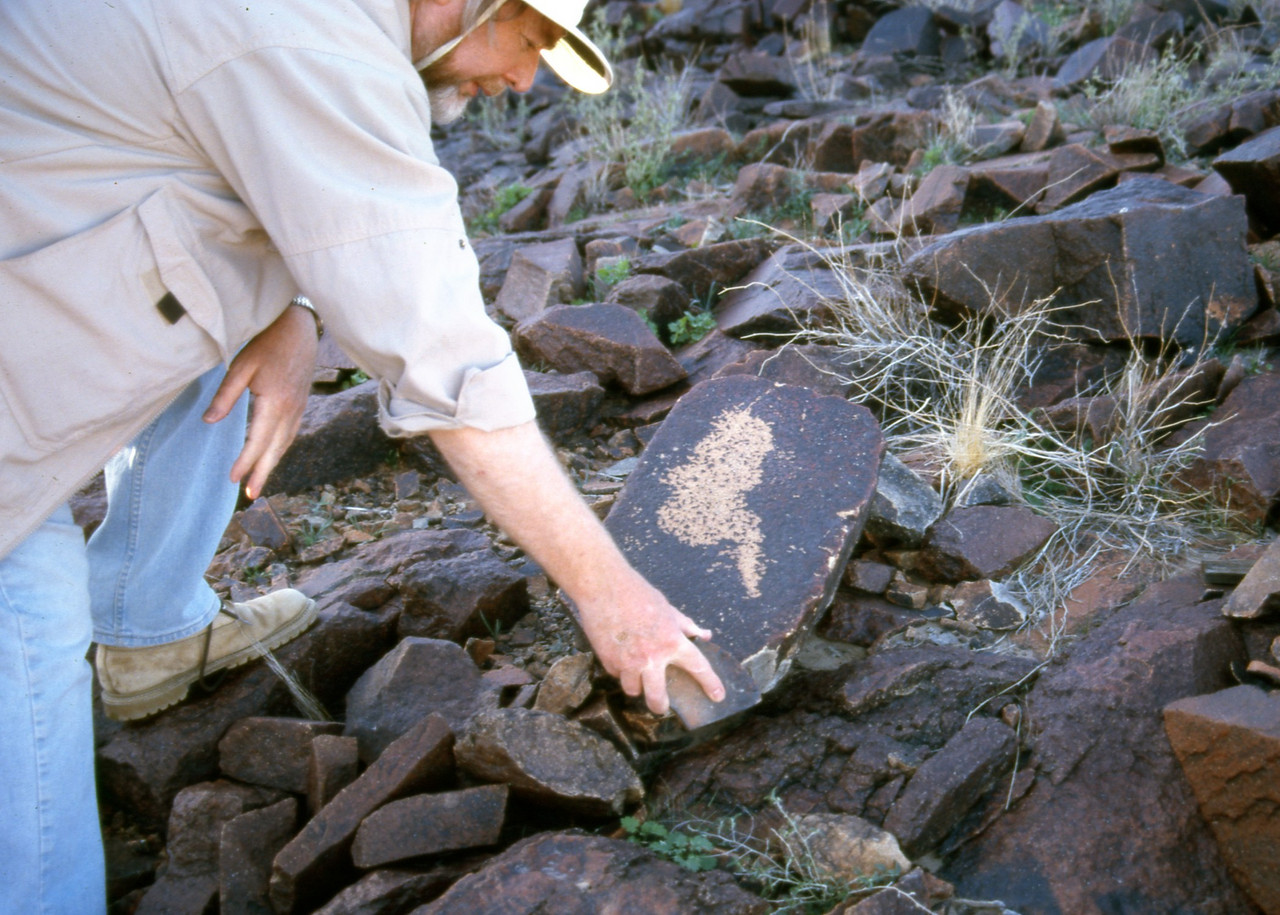
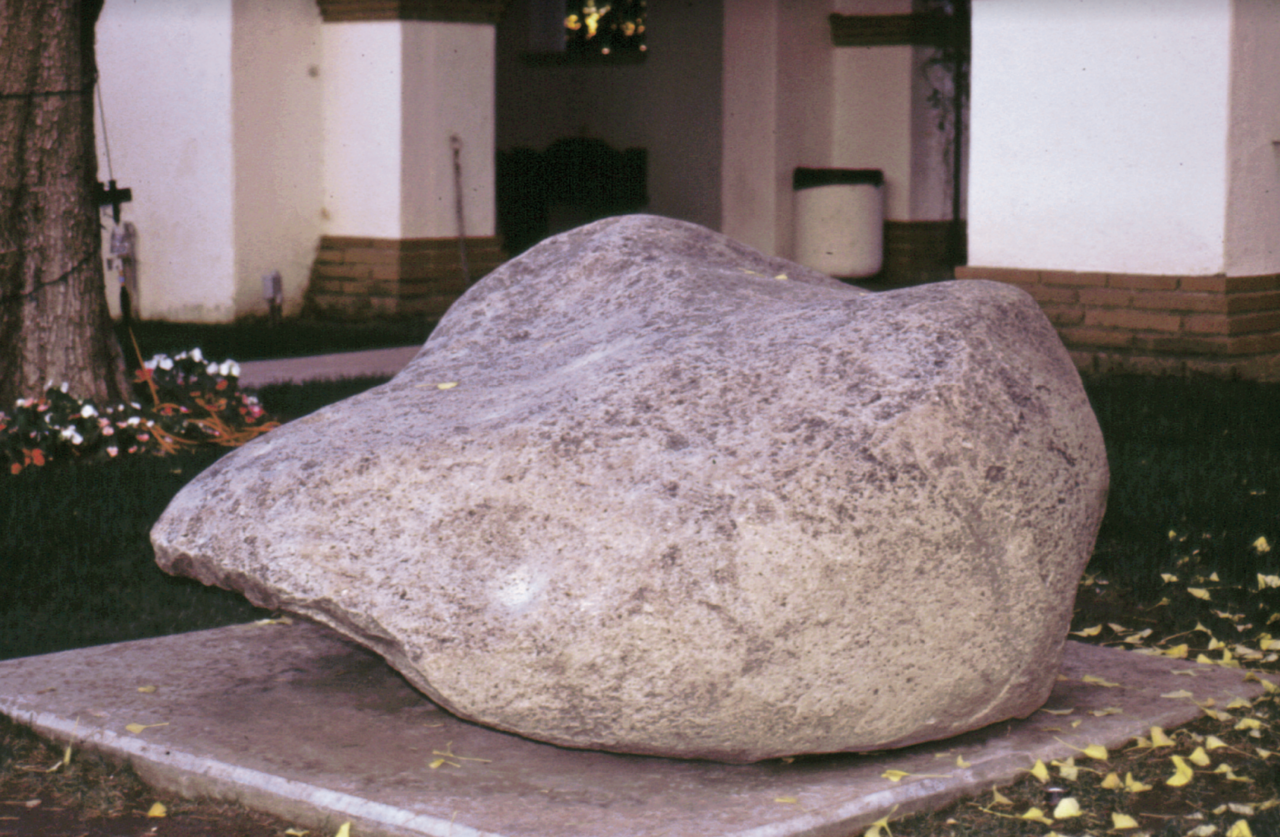
Today, ringing rocks/lithophones are considered simply as curiosities, but that was not the case in the ancient world, where they were always thought to contain special, magical qualities. For instance, the Chinese had bayinshi – resonant rocks – which they thought contained extra concentrations of supernatural force, chi. At least some Indigenous American peoples used them at vision quest locations or for rites of passage rituals (Figures 1 and 2). In Scandinavia, ringing rocks were struck to ward off evil spirits, and they were used for ritual purposes in many parts of Africa. In India, Neolithic rock art was carved on ringing rocks, and millennia later sophisticated musical stones were installed in Indian temples – a high technology of stone music had developed there over the ages (Boivin, 2004; Devereux 2010). As previously noted, there is clear evidence that much further back in time, 10,000 years ago or more, stalactites were struck to produce musical sounds in Palaeolithic caves.
to prehistoric and pre-modern people who did not have a scientific, wave-based model of acoustics, sound would have seemed magical
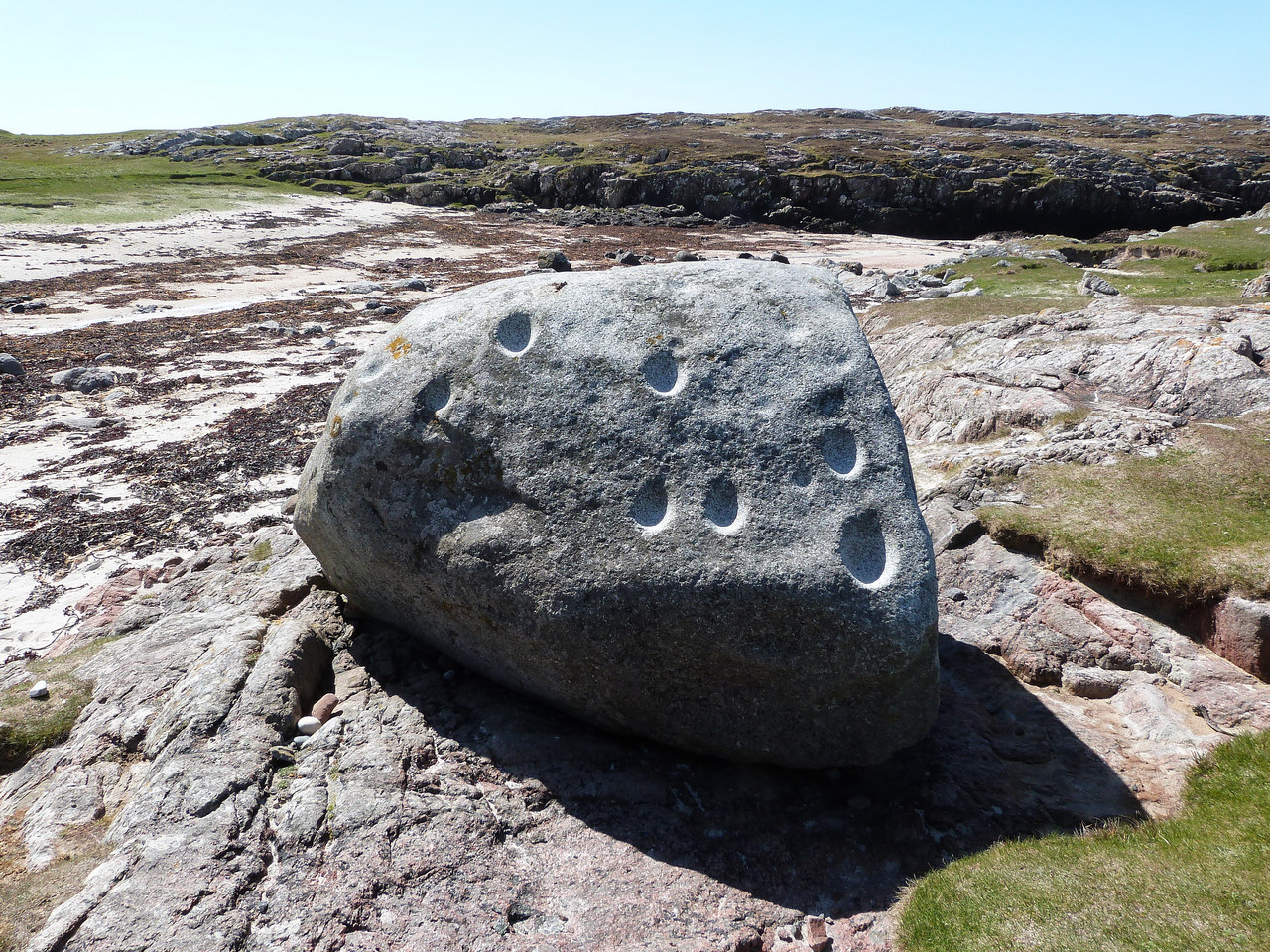
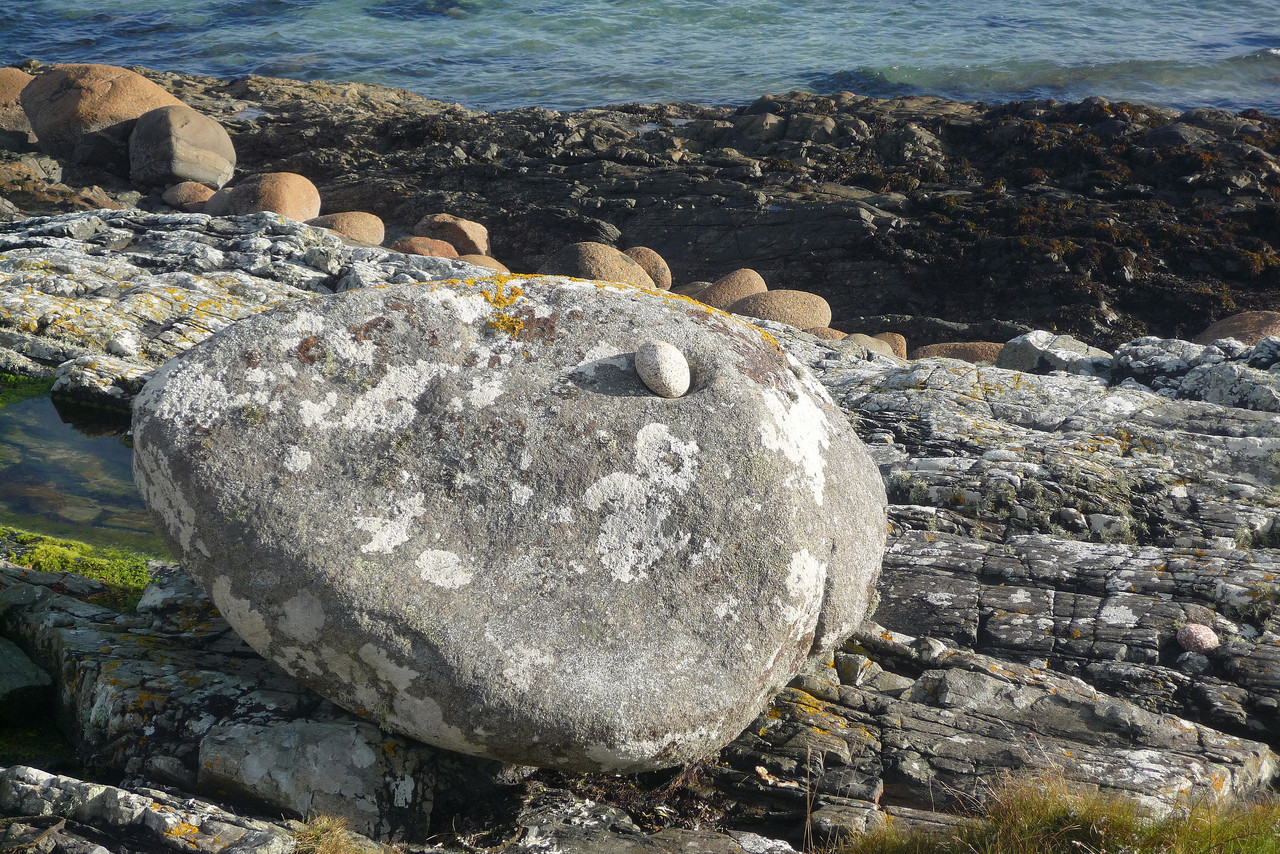
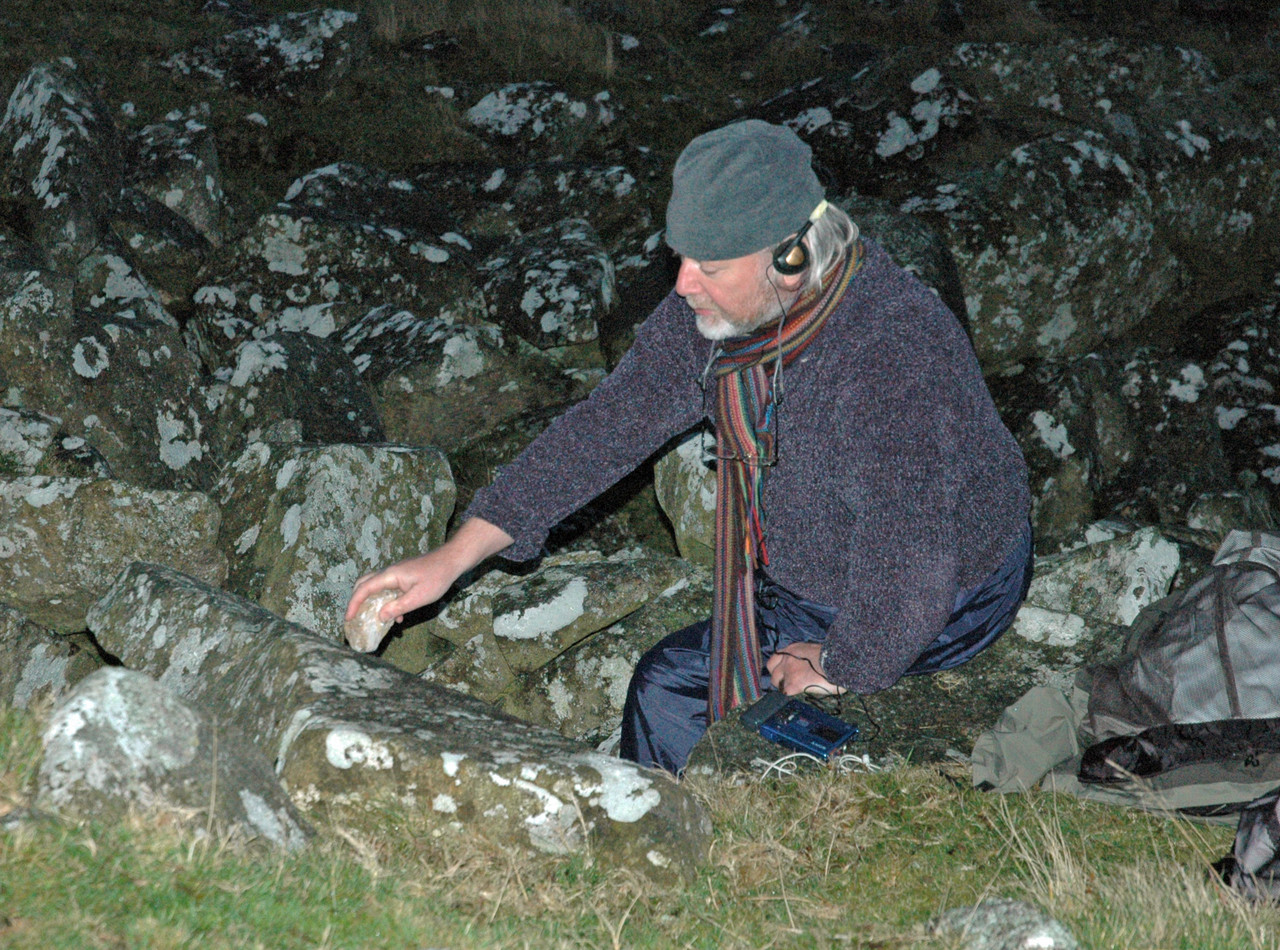
I have tested and audio-recorded lithophones in the Americas and in the British Isles over many years. Among numerous examples in Britain, there is the Balephetrish Stone on the island of Tiree, off the western coast of Scotland (Figure 3). It is a glacial erratic, not native to the island, that rings like a bell when struck, and is indented with over 50 cup marks. It is believed these marks result from its use mainly in Bronze Age times. Another example is a little-known lithophone on the holy isle of Iona, which has a carved niche that holds a hammerstone – nobody seems to know the story behind this feature (Figure 4).
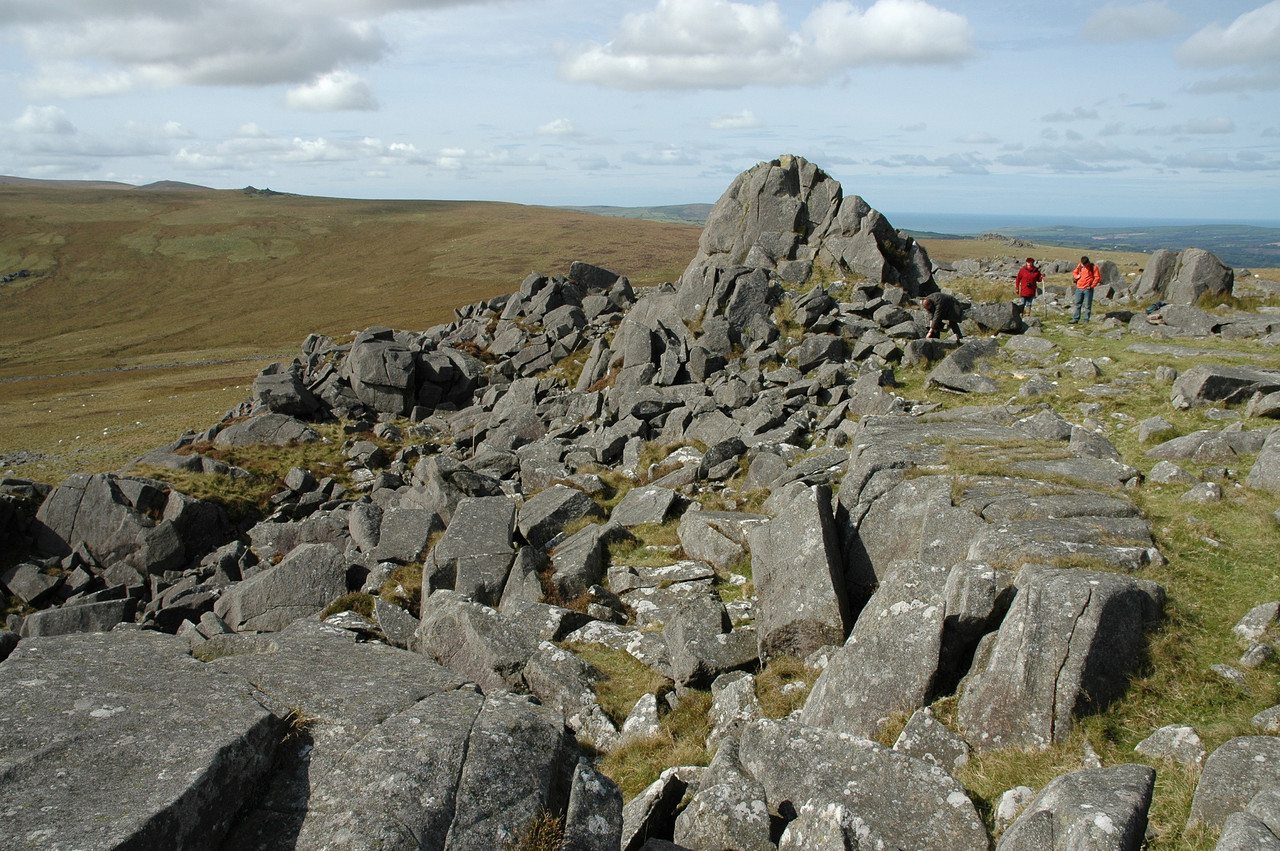
In particular, as part of a project for London’s Royal College of Art, my co-researcher Jon Wozencroft and myself have been conducting a long-term acoustic investigation of Carn Menyn in the Preseli Hills of South Wales (Figure 5), the source area of the Stonehenge bluestones. These are the smaller stones at the monument that were erected long before the mighty sarsen stones with their lintels, which most people associate with Stonehenge (Devereux and Wozencroft 2014). The Preseli area is rich in prehistoric monuments and was clearly regarded as a special, sacred district in Stone Age times.
In conducting detailed testing of many hundreds of rocks on the outcrops scattered along the Carn Menyn ridge (Figure 6) we have found a high incidence of ringing rocks, and at least one definite lithophone – as evidenced by cup marks on it – alongside an ancient spring on the Carn Menyn slopes. It would seem that the Neolithic people who roamed this area, and took stones weighing up to seven tonnes each from here all the way to the site of Stonehenge on Salisbury Plain some 300km away, knew that the rocks made music. Local people have long known of the ringing qualities of the rocks, as there is a Preseli village with the Welsh name of »Maenclochog,« meaning ringing or bell rocks.
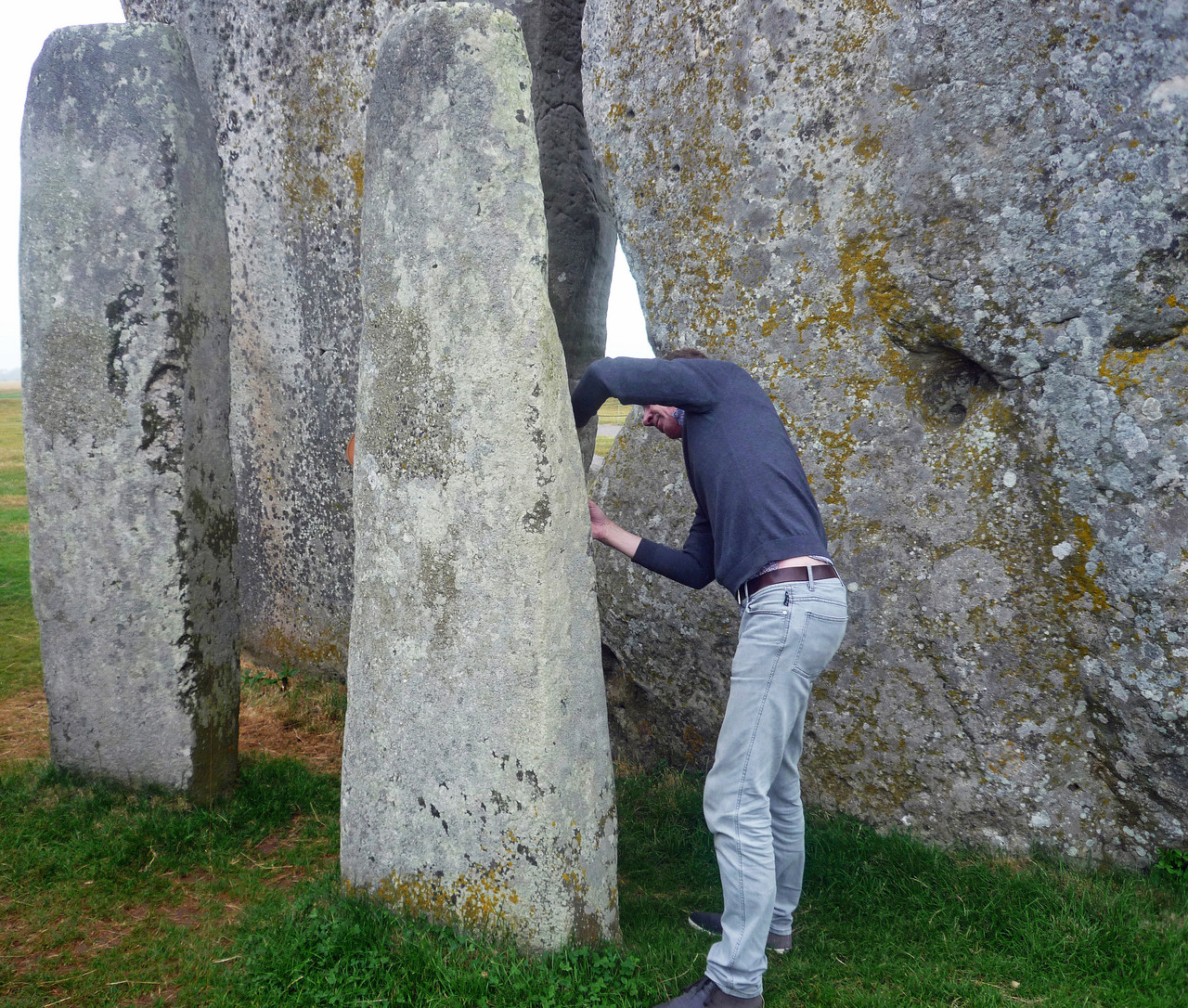
As part of our study we secured unprecedented permission to acoustically test the bluestones at Stonehenge with hammerstones (Figure 7). We found sufficient evidence there to indicate that at least some of them would have been ringing rocks in more resonance-conducive circumstances. (Ringing rocks need air space around them to resonate, and unfortunately the bluestones are set into the ground — or now even concrete — which dampens any ringing qualities.) But even without this evidence, the fact that bluestones at this iconic monument were brought from a sacred soundscape could by itself have caused the Neolithic architects to treat them with special veneration. Did the megalith builders believe that the stones were invested with special magical power, or mana? We know that »pieces of places« (Bradley 2000, p. 88) were passed around over considerable distances in the Neolithic era, presumably because they were considered to be redolent with sanctity in the way the relics of saints were perceived in medieval times. Put bluntly, was sound a key reason behind the otherwise inexplicable transport of these stones from Preseli to Salisbury Plain?
We associate sound with transience, while archaeological sites, by definition, embody ancient time.
2. Electronic Testing
The use of electronic sound equipment to investigate the acoustic qualities of megalith sites has been exemplified by two research projects to date. David Keating and Aaron Watson mapped the behaviour of generated sound (wide frequency »pink noise«) at numerous megalith sites (Watson 1997; Watson and Keating 1999). During research at Stonehenge, they noted evidence that some of the sarsen uprights had been so shaped that they reflected and directed sounds within the interior of the monument. At some sites they were able to use such mapping to suggest where a priest or priestess would most probably have stood to speak, sing, chant, or play a musical instrument.
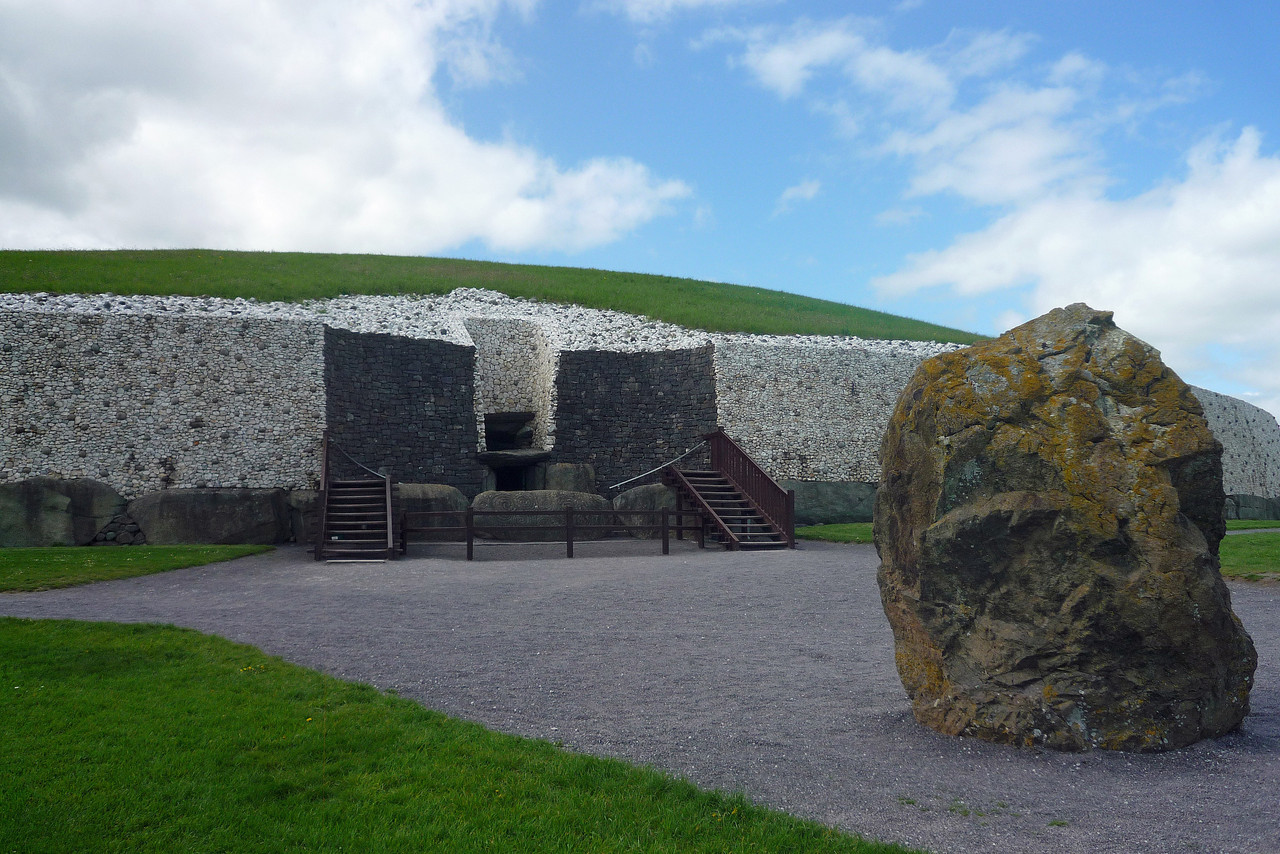
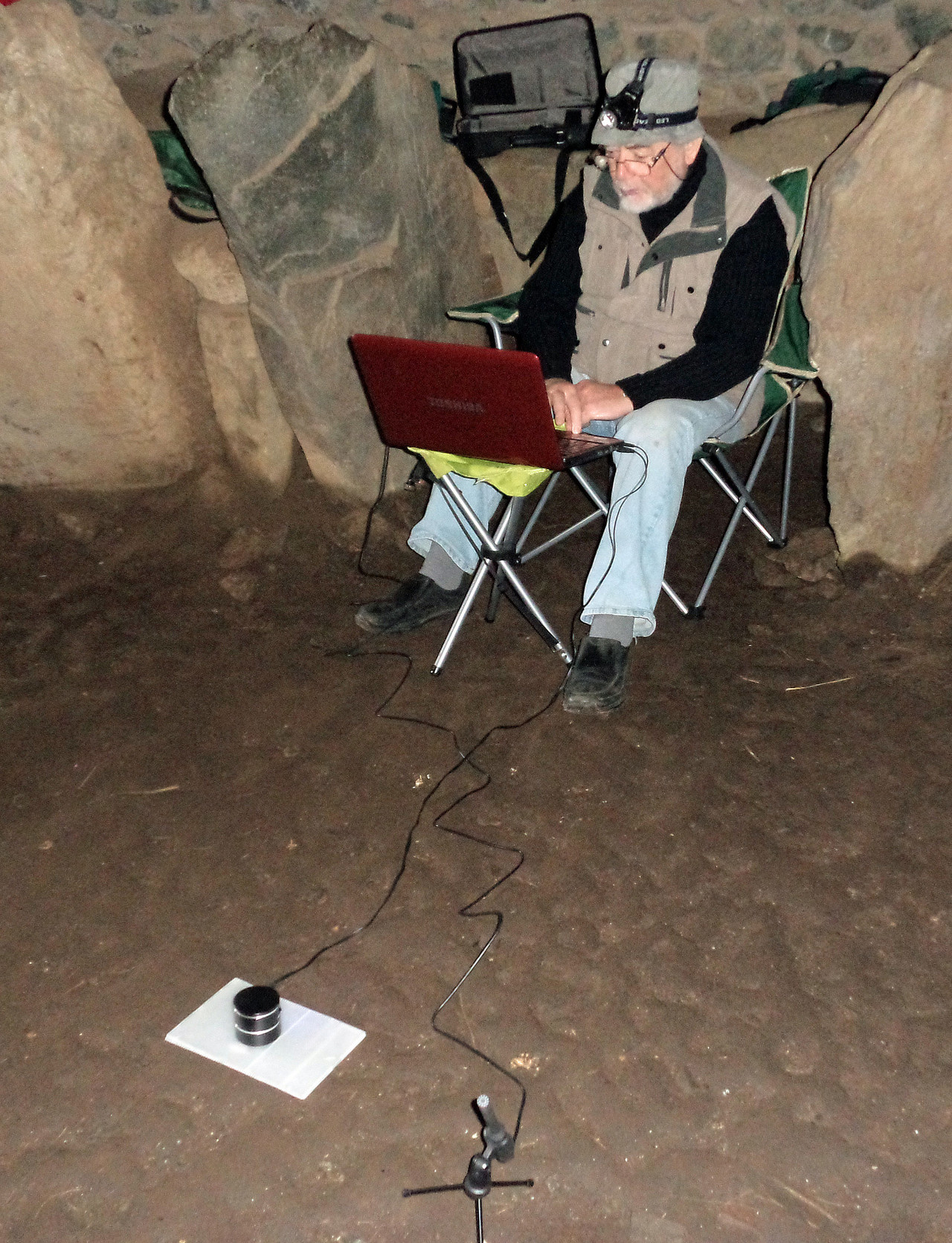
I was involved with an equally early (mid-1990s) investigation with the Princeton-based International Consciousness Research Laboratories (ICRL) group studying acoustic resonance inside megalithic chambered monuments (see Figure 8, for example).
We found that enclosed stone chambers within a random selection of such monuments in England and Ireland had a recurring primary resonance frequency focused on 110 Hz, the lower baritone register of the human voice (Devereux & Jahn 1996; Jahn et al. 1996). This frequency has subsequently been found to have unexpected effects on human brain activity (Cook 2003; Cook et al. 2008):
Listening to tones at 110 Hz was associated with patterns of regional brain activity that differed from listening to tones at neighbouring frequencies; differences were particularly noted in left temporal and prefrontal asymmetries. The meaning of these changes is open to speculation. The left temporal region has been implicated in the cognitive processing of spoken language; lower cordance values at 110 Hz would be consistent with reduced activation under that condition, which might be interpreted as a relative silencing of language centres to allow other processes to become more prominent. (Cook 2003)
Certain claims about the properties of sound at 111 Hz are often touted in magazines and on the World Wide Web: while sound at 111 Hz does fall within the optimum 110 Hz range, it is important to note that these claims are based on the work we did in the 1990s. Anyone talking about 111 Hz did not conduct the original research (if any fieldwork at all) – it is all too easy in today’s internet age to lose the provenance of information.
3. Listening
The old stones can »speak« in a variety of natural ways, some of which can be detected simply by listening. There is space here to briefly mention only a very few examples.
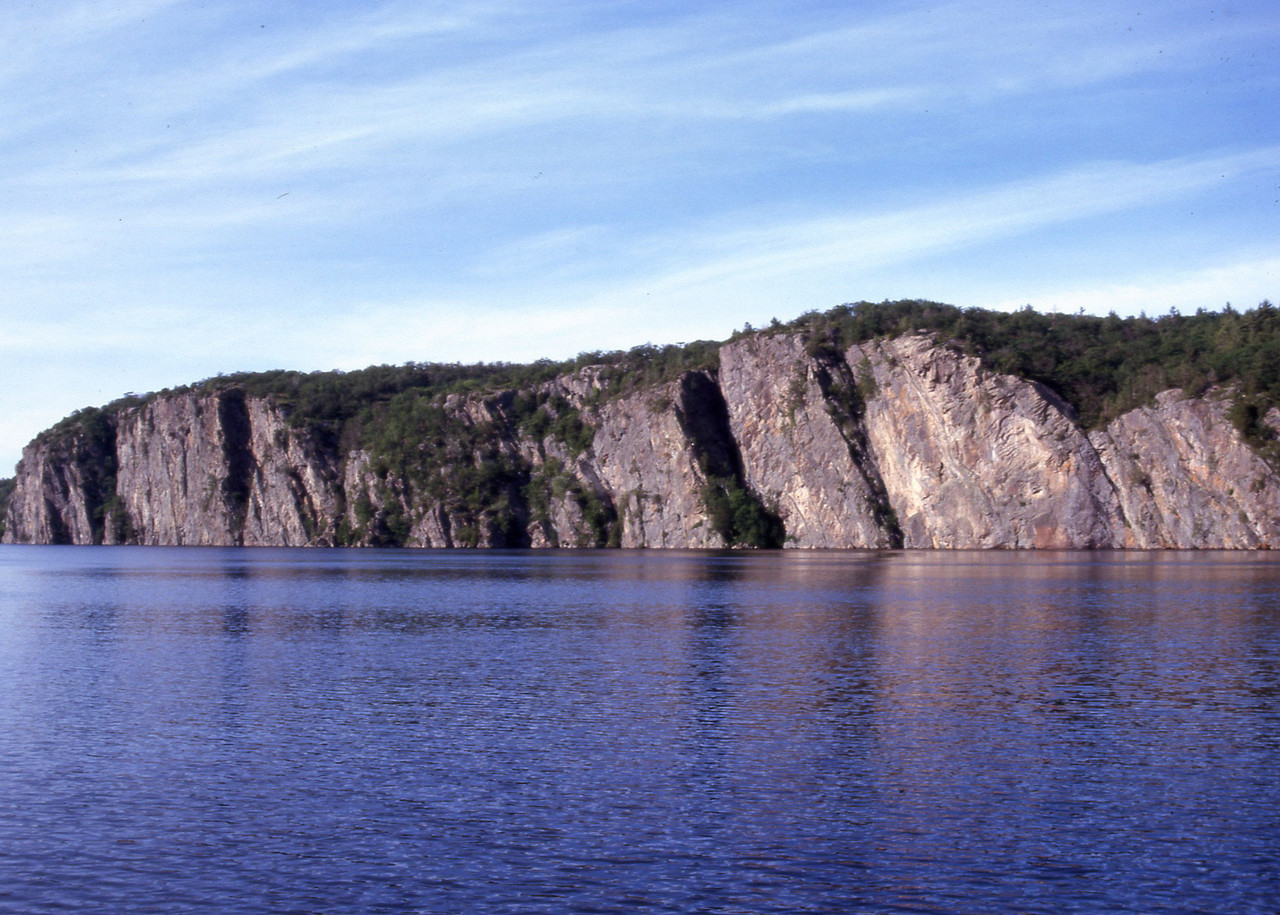
Echoes are a chief natural sound at numerous ancient sites (Figure 10). It was the case in much of the ancient world that echoes from rocks, cliffs, or inside caves were thought to be spirit messages or taunts. In widely separated cultures, rocks and cliff faces were viewed as being the abode of spirits (e.g. Lewis-Williams and Dowson 1990; Rajnovich 1994; Levin and Suzukei 2006). Places with notable echoes are often marked with ancient rock art (Waller 1993; Reznikoff 1995; Devereux and Nash 2014).
Apart from echoes, other natural sounds at ancient sacred sites can be many and varied. At the tholos (»beehive shaped«) tomb known as the »Treasury of Atreus« at Mycenae, for instance, a distinct buzzing sound around the curved walls can be heard, very similar to that of a swarm of bees. The buzzing is caused by the distortion of external ambient sound coming in through the great portal of the tomb, and is a variant on the well-known »whispering gallery« effect. There is a possible symbolic aspect to this buzzing effect in that the ancient Greeks associated bees with immortality, and it was thought the spirits of the dead could enter bees (Devereux, 2006).
Another example of a sound anomaly is provided by Petroglyph Rock in Petroglyphs Provincial Park, near Peterborough, Ontario. It possesses the largest concentration of ancient rock-face engravings in the province and some say in the whole of Canada. The rock is known to Indigenous peoples as Kinomagewapkong, Teaching Rock. The engravings are reckoned to be between 600 and 1,100 years old. But why should this particular slab of rock (metamorphosed limestone) have so many carvings when others around have none? Local enquiries during a site visit I made with colleagues revealed the probable answer: a five-meter-deep fissure cuts across the rock’s surface; at random times the sound of underground water can be heard issuing from its depths. Witnesses describe the sound as being remarkably like the babble of voices – voices of the spirits, the Manitous. The rock was therefore probably an oracle site, explaining the preponderance of the carvings. (An Ojibwa elder later confided to me that this interpretation was correct.)
As yet another example, there is the Blowing Stone, now in a misplaced position near Oxford, England, that has a number of natural holes in it. By blowing into one of these a deep, resonant note is produced that can be heard up to a few kilometres away. The sound is very similar to the bellow of a stag, and it has been suggested the stone may have been used for hunting magic in Stone Age times.
The sounds of wind and water at certain places, as noted earlier, were often viewed as the sound of spirits in ancient times (and are still seen this way in a few surviving Indigenous cultures). The archaeoacoustic investigator must listen carefully for any manner of natural sounds that might have made a place significant to peoples in the past – and be prepared to be surprised.
Paul Devereux is co-founder and managing editor of the peer-reviewed publication, TIME & MIND – The Journal of Archaeology, Consciousness and Culture, a research affiliate with the Royal College of Art in London, and an archaeology columnist for Fortean Times. His main research interests include ancient sacred sites and landscapes, sound at archaeological sites (archaeoacoustics), and the anthropology of consciousness (ancient worldviews) along with modern consciousness studies. His books include Re-Visioning the Earth, The Long Trip, Stone Age Soundtracks, The Sacred Place (Der heilige Ort), and Sacred Geography.
This text was originally published in CTM Magazine 2015 – Un Tune.
Boivin, N. (2004), »Rock art and rock music: petroglyphs of the South Indian Neolithic«, Antiquity 78 (229), 38—53.
Bradley, R. (2000), An Archaeology of Natural Places, London: Routledge.
Bruchez, M.S. (2007), »Artifacts that speak for themselves: Sounds underfoot in Mesoamerica«, Journal of Anthropological Archaeology 26 (1), 47—64.
Casteret, N. (1940), Ten Years Under the Earth, London: Readers’ Union/ J.M. Dent.
Cook, I. (2003), Ancient Acoustic Resonance Patterns Influence Regional Brain Activity, Princeton: International Consciousness Research Laboratories Internal Report.
Cook, I., Pajot, S. and Leuchter, A. (2008), »Ancient Architectural Acoustic Resonance Patterns and Regional Brain Activity«, Time & Mind, Vol. 1, No. 1, 95—104.
Dams, L., (1984) »Preliminary findings at the ›Organ‹ sanctuary in the cave of Nerja, Malaga, Spain«, Oxford Journal of Archaeology 3 (1), 1—13.
Dams, L. (1985), »Palaeolithic lithophones: descriptions and comparisons«, Oxford Journal of Archaeology 4 (1), 31—46.
Devereux, P. & Jahn, R.G. (1996), »Preliminary investigations and cognitive considerations of the acoustical resonances of selected archaeological sites«, Antiquity 70 (269), 665—66.
Devereux, P. (2001), Stone Age Soundtracks — The Acoustic Archaeology of Ancient Sites, London: Vega (Chrysalis).
Devereux, P. (2006), »Ears and Years: Aspects of Acoustics and Intentionality in Antiquity«, in Scarre, C. and Lawson, G. (eds.), op. cit.
Devereux, P. (2010), Sacred Geography, London: Gaia/Octopus.
Devereux, P. and Nash, G. (2014), »Indications of an Acoustic Landscape at Bryn-Celli-Ddu, Anglesey«, Time & Mind 7 (4), 385—390.
Devereux, P. and Wozencroft, J. (2014), »Stone Age Eyes and Ears: A Visual and Acoustic Pilot Study of Carn Menyn and Environs, Preseli, Wales«, Time & Mind, Vol. 7, No. 1.
Feld, S. (1996), »Waterfalls of Song: An Acoustemology of Place Resounding in Bosavi, Papua New Guinea«, in Feld, S. and Basso, K.H. (eds.), Senses of Places, Santa Fe: School of American Research Press.
Gell, A. (1995), »The Language of the Forest: Landscape and Phonological Iconism in Umeda«, in Hirsch, E. and O’Hanlon, M. (eds.), The Anthropology of Landscape, Oxford: Clarendon Press.
Goldhahn, J. (2002), »Roaring Rocks: An Audio-Visual Perspective on Hunter-Gatherer Engravings in Northern Sweden and Scandinavia«, Norwegian Archaeological Review 35 (1), 29—61.
Hedges, K. (1993), »Places to see and places to hear: rock art features of the sacred landscape«, in,Steinbring, J.; Watchman, A.; Faulstich, P. and Taçon, P. (eds.), Time and space: dating and spatial considerations in rock art research, Melbourne: Australian Rock Art Research Association Occasional Publication 8, 121—127.
Jahn, R.; Devereux, P. and Ibison, M. (1996), »Acoustic resonances of assorted ancient structures«, Journal of the Acoustical Society of America 99, 649—58.
Jaynes, J. (1976), The Origin of Consciousness in the Breakdown of the Bicameral Mind, Boston: Houghton Mifflin.
Lawson, G.; Scarre, C.; Cross, I. and Hills, C. (1998), »Mounds, megaliths, music and mind: some thoughts on the acoustical properties and purposes of archaeological spaces«, Archaeological Review from Cambridge 15 (1), 11—34.
Levin, T. and Suzukei, V. (2006), Where Rivers and Mountains Sing: Sound, Music and Nomadism in Tuva and Beyond, Bloomington: Indiana University Press.
Lewis-Williams, J. D. and Dowson, T. (1990), »Through the Veil: San Rock Paintings and the Rock Face«, South African Archaeological Bulletin 45.
Mohs, G. (1994), »Sto:lo sacred ground«, in Carmichael, D.; Hubert, J.; Reeves, B. and Schanche, A. (eds.), Sacred Sites, Sacred Places, London: Routledge.
Rajnovich, G. (1994), Reading Rock Art: Interpreting the Indian Rock Paintings of the Canadian Shield, Toronto: Natural Heritage/ Natural History Inc.
Reznikoff, I. (1995), »On the sound dimension of prehistoric painted caves and rocks«, in Taratsi, E. (ed.), Musical Signification, Berlin: Mouton de Gruyter, 541—55.
Rowland, I. and Howe, T.N. (eds.) (1999), Vitruvius: Ten Books on Architecture, Cambridge: Cambridge University Press.
Scarre, C. and Lawson, G. (eds.) (2006), Archaeoacoustics, Cambridge: McDonald Institute Monographs.
Turnbull, C.M. (1961), The Forest People, New York: Touchstone (Simon & Schuster, 1968 edition).
Waller, S. (1993), »Sound reflection as an explanation for the content and context of rock art«, Rock Art Research 10 (2), 91—101.
Watson, A. (1997), »Hearing again the sound of the Neolithic«, British Archaeology, April 6.
Watson, A. and Keating, D. (1999), »Architecture and sound: an acoustic analysis of megalithic monuments in prehistoric Britain«, Antiquity 73 (280), 325—336.
CTM 2015: Entrancement and Entrainment. Lecture by Rupert Till by CTM Festival
CTM 2015: Entrancement and Entrainment. Lecture by Rupert Till by CTM Festival
CTM 2015: Adventures in Archaeoacoustics. Lecture by Paul Devereux by CTM Festival
CTM 2015: Adventures in Archaeoacoustics. Lecture by Paul Devereux by CTM Festival
CTM 2015: On The Sound Dimension of Prehistoric Painted Caves and Rocks. Lecture by I. Reznikoff by CTM Festival
CTM 2015: On The Sound Dimension of Prehistoric Painted Caves and Rocks. Lecture by I. Reznikoff by CTM Festival
CTM 2015: Archaeoacoustics Roundtable Discussion by CTM Festival
CTM 2015: Archaeoacoustics Roundtable Discussion by CTM Festival