How might music communities find ways to transform towards new, more supportive contexts and equitable existences?
Given the restrictions on mobility and social gatherings imposed to combat the spread of Covid-19, many have scrambled to find ways to continue beloved public activities. It comes as no surprise, then, that many have found recourse in online and digital formats, from concerts livestreamed on Facebook to artist talks facilitated via Zoom. Amidst this urgent search for substitutes and prospects, Club Matryoshka – a virtual club hosted on Minecraft run by Manila-based musicians – has received overwhelming publicity.
But in light of the renewed attention and the misleading characterisations others have made of the club, co-founder Jorge Juan B. Wieneke V, aka similarobjects, clarifies, »a lot of people think the club’s a response to the pandemic, but it has a reason to exist even without that because our audience are actually the ones who feel othered when they are in clubs, or they just don’t like the toxic feelings and anxieties that come with actual physical clubbing.«
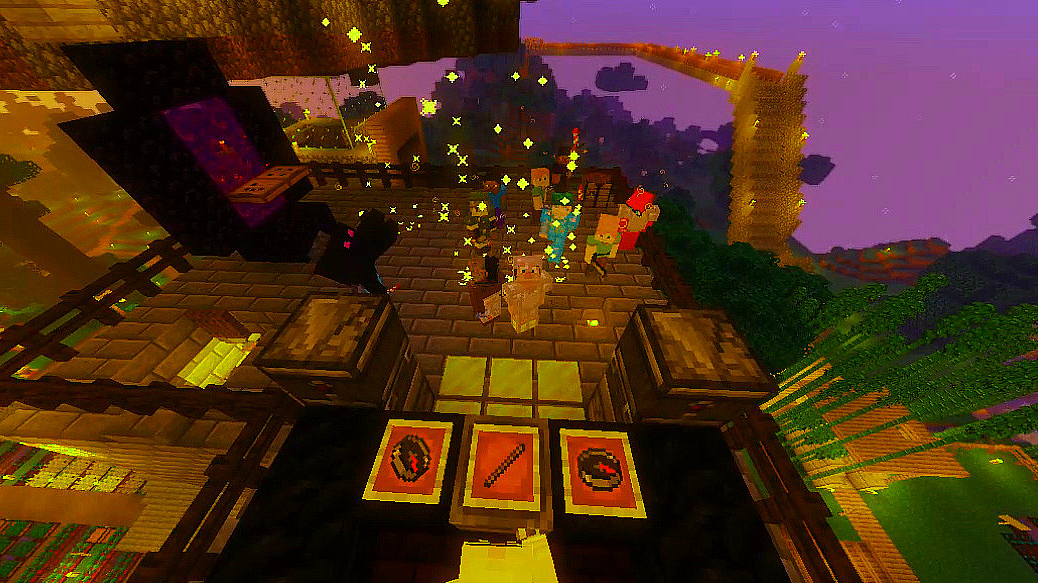
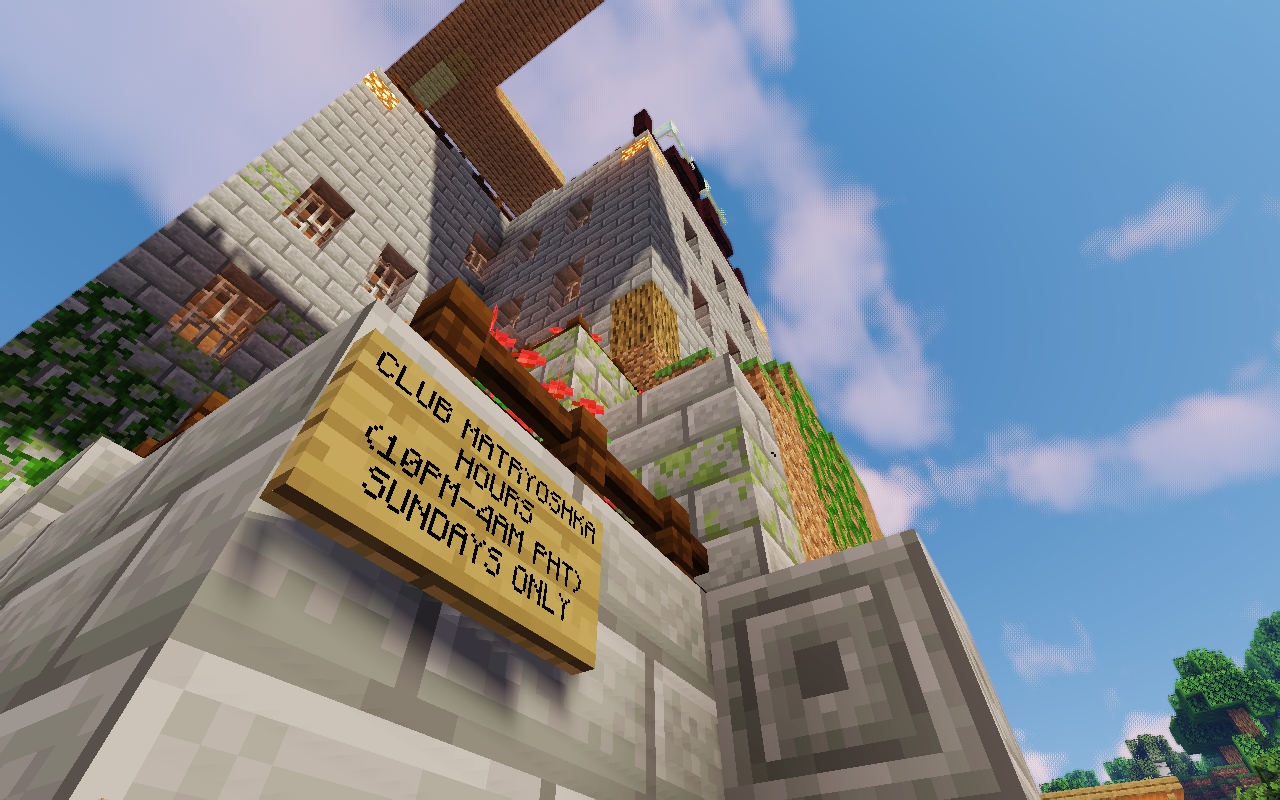
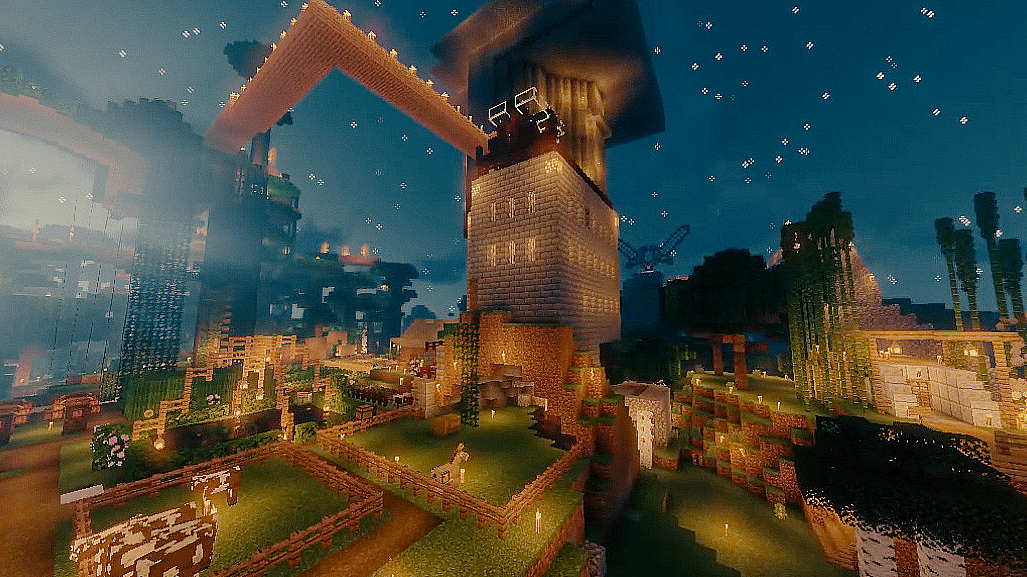
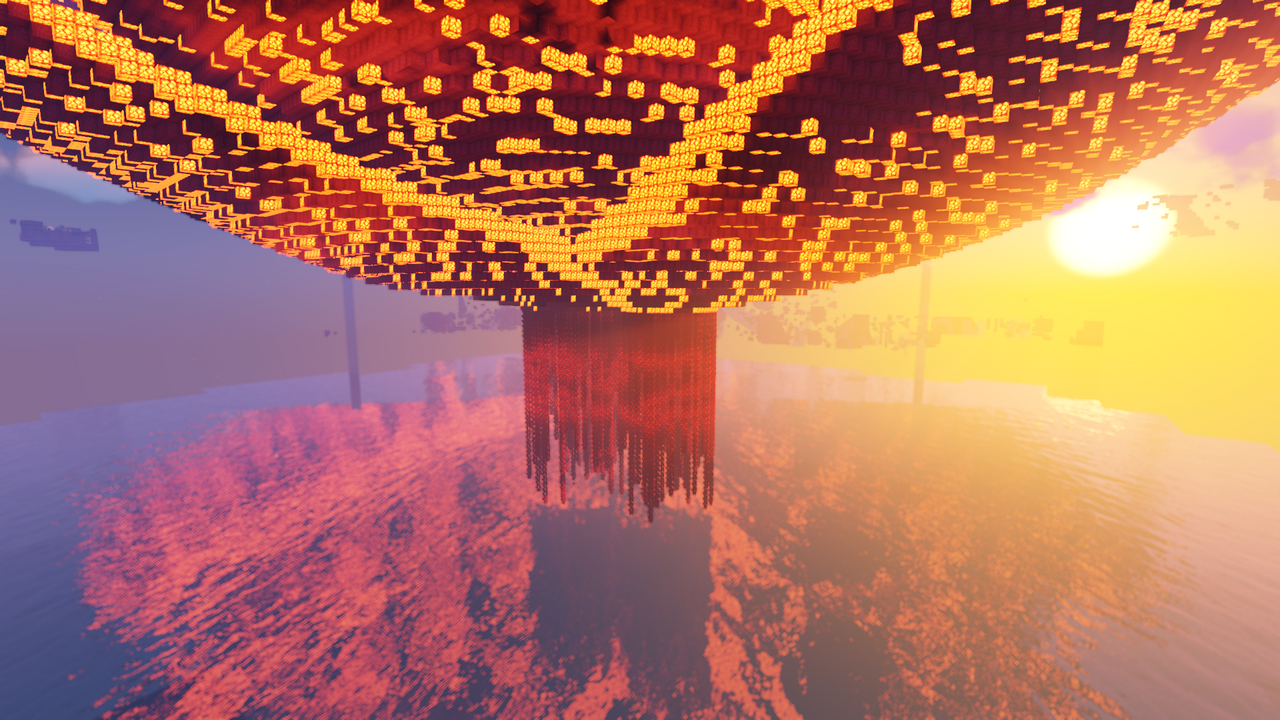
Club Matryoshka opened to the public on July 14, 2019, launched by Wieneke along with fellow musicians AHJU$$I, Cavill, and dot.jaime. »It really started as a joke,« Wieneke admits. »I didn’t understand the game mechanics and how realistic the in-game lava and fire were, so my house burned down.« As a result, Wieneke – inspired by seeing someone use the game to recreate Berghain, a space he was fixated with after participating in Red Bull Music Academy Berlin in 2018 – decided to build a club over the ruins. The joke escalated to the point that Wieneke and his friends organised a soft opening for the club and created a website and Facebook event page for the event. To their surprise, the server was flooded with curious and enthusiastic spectators eager to witness the unveiling of what would become Club Matryoshka.
It really started as a joke...I didn’t understand the game mechanics and how realistic the in-game lava and fire were, so my house burned down.
But before Wieneke arrived at this amusing and unexpectedly life-changing scenario, he revealed that he was going through a difficult time then. Renowned as a prolific producer with numerous side projects under his belt, Wieneke is also widely known for his contributions to the influential electronic music collective BuwanBuwan Collective (BBC), a group which he co-founded, and for opening the music mentorship program Cosmic Sonic Arts, among other projects.
Wieneke’s tireless experimentation and defiant search for alternative formats appear to first take shape with the founding of BBC. He recounts, »[BBC’s format and sensibility] was a response to how I would often be dismissed as a hipster who was trying to be cool or edgy just because I was playing electronic music. I’d always travel really far to play at a gig, only to be booed at. One time, someone booked me for a metal show but since I was playing with a Game Boy and my mom's laptop, the metalheads threw bottle caps at me.«
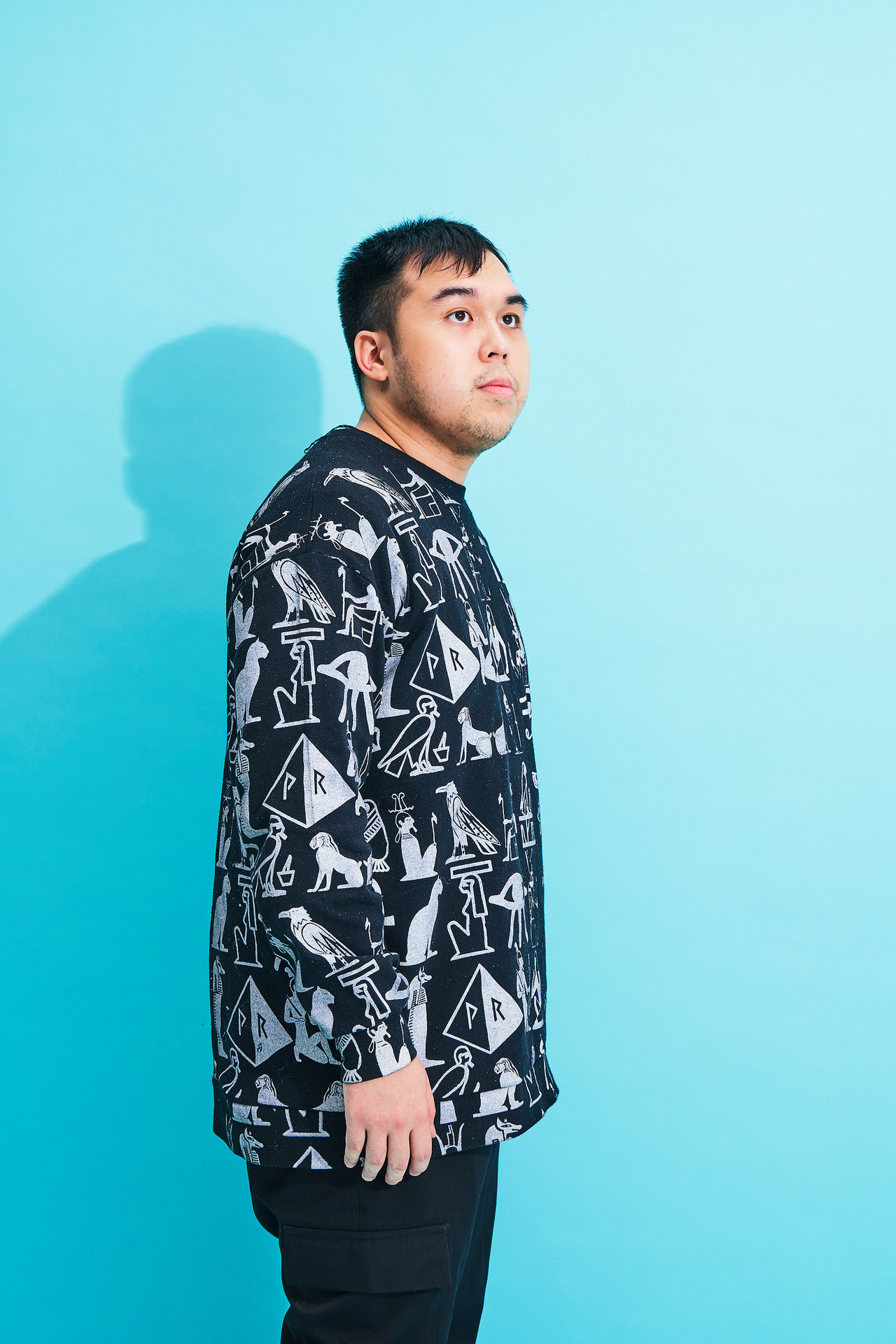
He singles out survival games like ARK and Rust for having shown him the potential of gaming experiences before he was convinced by a friend to play Minecraft. »Honestly, I actually didn't like Minecraft,« Wieneke confesses. »I felt like it was such a kiddie thing and I was so turned off by the block aesthetic,« a criticism which Wieneke amusedly notes is now being hurled back at the team. He eventually got hooked and he and his friends began pitching in for a private server and inviting more people which, in Wieneke’s view, made the experience more fun and social.
When asked if his fellow co-founders had considerable experience building in Minecraft, Wieneke discloses, »we were all new to it. We're all musicians who love video games, and we're just the type of people who would do anything to get from point A to point B, and, if that means studying a little bit of coding, we will study coding.« Eventually, the team’s efforts impressed even experienced players. »We didn’t know until recently when people jumped on our streams and told us that the worlds we were building were wild. I think the secret is that we just had fun with it. We weren’t trying to be viral. Haters say it’s fake but I don’t think we’d be doing this as much if we didn’t enjoy it.« Wieneke also firmly shoots down this criticism, citing the game’s accessibility as another key factor informing their choice.
Another accusation the Club Matryoshka crew often receives concerns plagiarism. »The idea of an online club has always been around, even before in Second Life,« Wieneke argues. »A lot of people say that we ripped off this and that but how can we rip off a concept that is so old? I don’t think we’re ripping off anything because it all stems from a desire to address our needs as well as those of other clubgoers.«
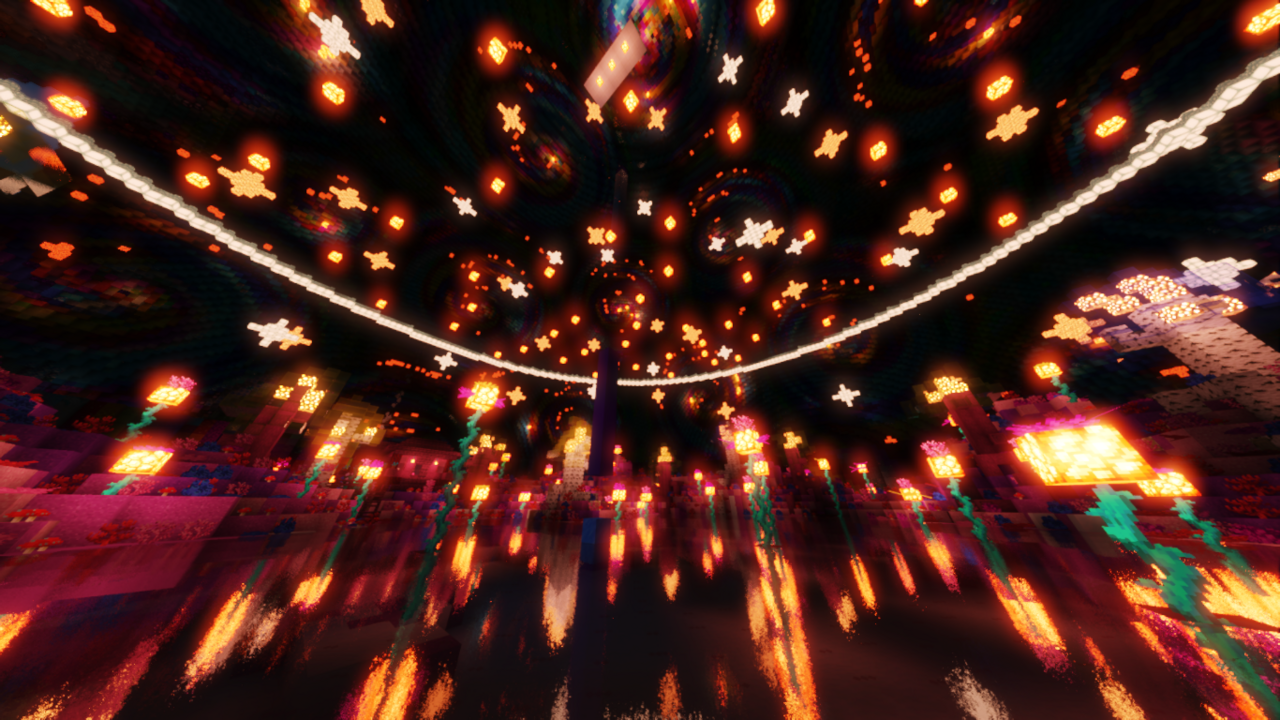
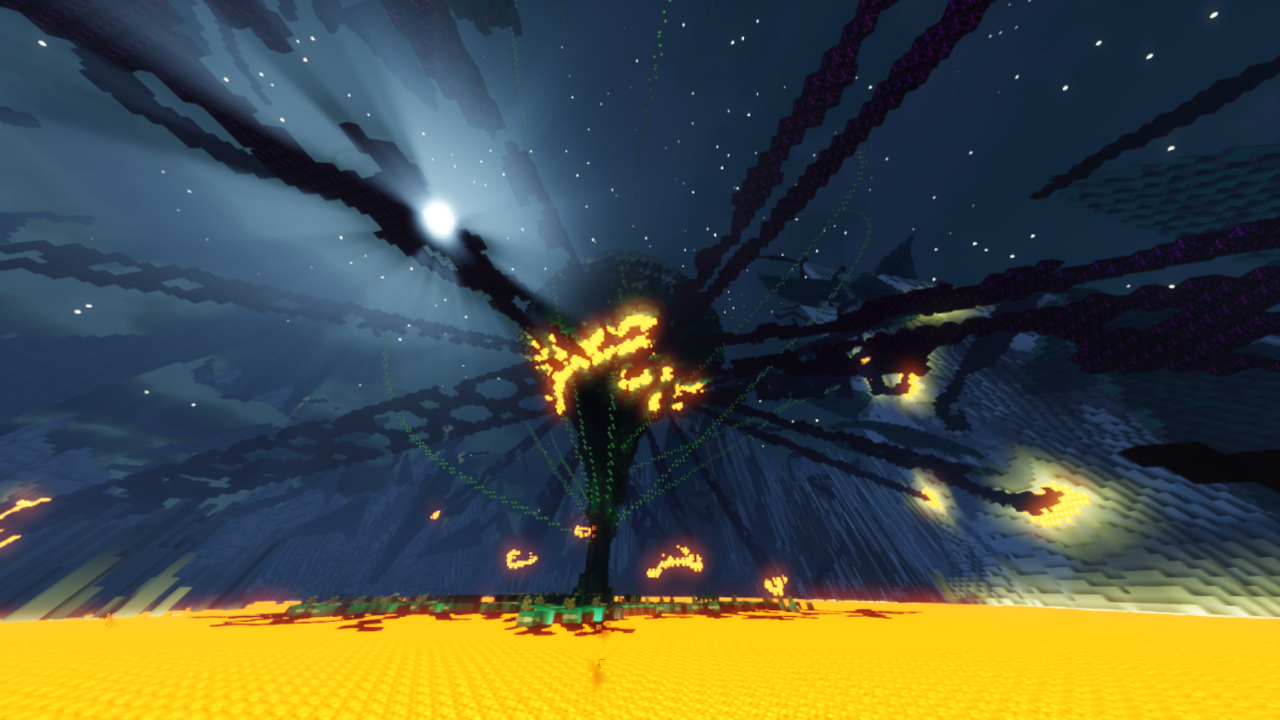
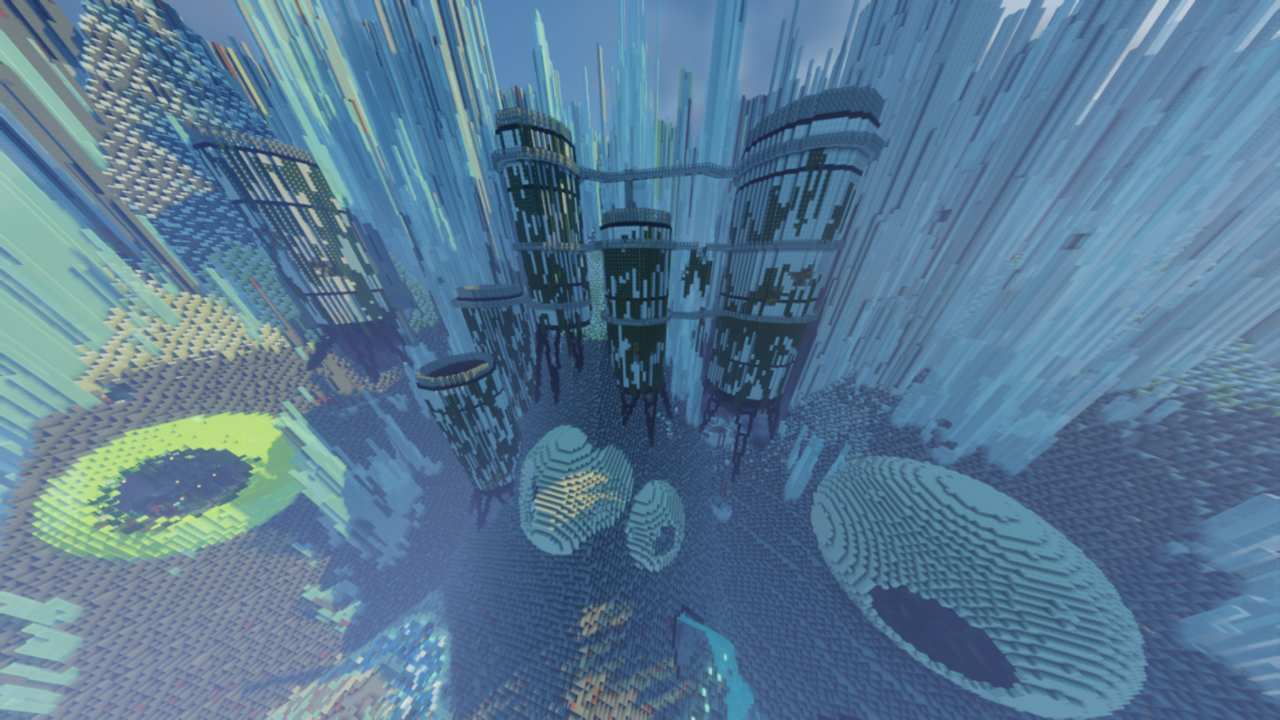
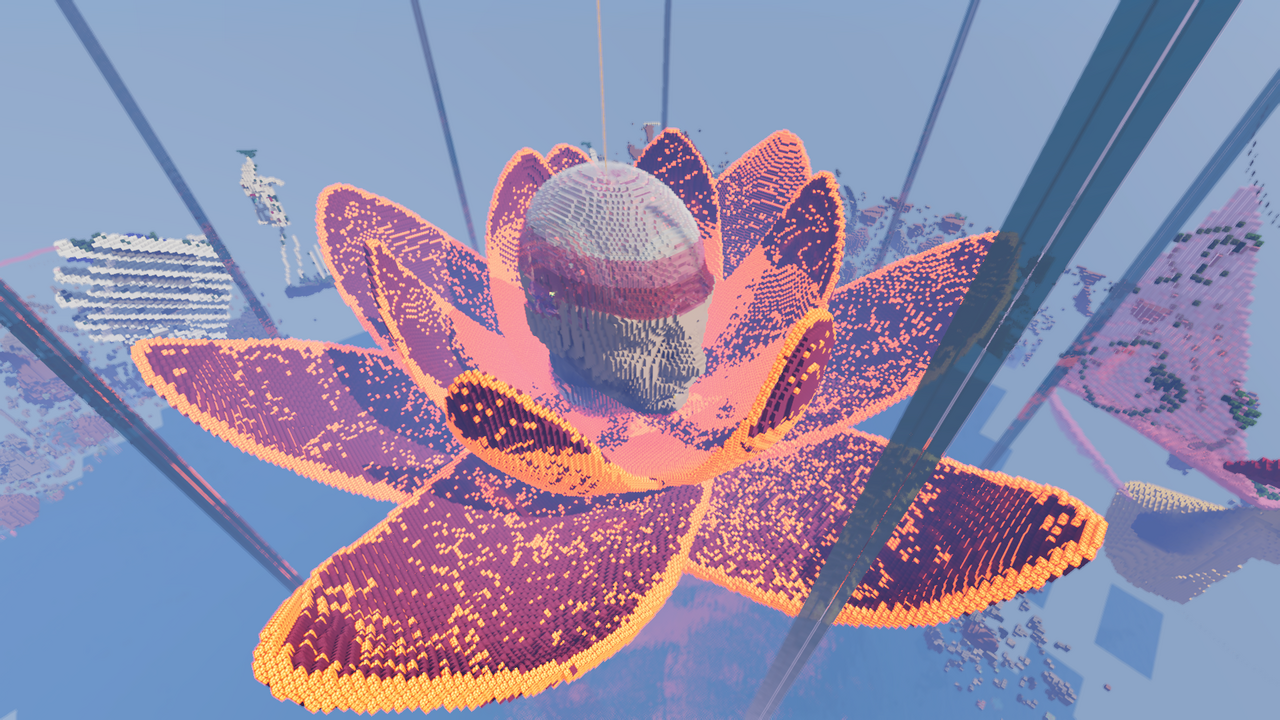

Although Club Matryoshka began as an inside joke, Wieneke confesses that the desire to create a safer space was always around. »I felt like there was a void to be filled by creating a space that welcomes all walks of life, genders, and neurotypes, people that didn’t want to go out because they’re worried about being perceived in a certain way,« Wieneke says. The platform has also proved to be perfect for their goals: »A lot of people say that it’s interesting that they can present themselves in a different gender or as anything, maybe an animal like a duck, in the game,« Wieneke notes. »It gives them this space to be free and comfortable. I think that’s what MMOs (massively multiplayer online games) present – you can somewhat curate how you want to present yourself without being judged because everyone is allowed to be whatever they want.«
Besides this feature, Wieneke emphasises how they seek to champion hybridism in Club Matryoshka by dissolving the hierarchies that privilege performers and organisers over gig-goers, as well as clear-cut demarcations between genres and communities. »A lot of people say it’s weirdly wholesome on our Discord server,« Wieneke shares. »I want it to be humanised; I don’t believe the DJs and organisers should be regarded as rockstars. I also come from a generation where people stereotype you based on what you listen to and the norm was like, ›if you make reggae, you’re not supposed to make hip hop,‹ or ›if you make metal, you can’t listen to hip hop.‹ I feel like the space is great because it is culturally blending things together, like gamers who were alienated by the clubbing scene and vice versa. I wanted to see what would happen if you bring those worlds together, in a space where anything is allowed – except for disrespecting other people of course.«
Although the team has had to deal with disrespectful visitors in the past, Wieneke mentions how their main challenges lie in contending with online fatigue, the pressure to evolve quickly and create interesting projects, and the difficulties of operating across numerous time zones. Occasionally, the team faces the problem of having to negotiate with difficult clients solely online. »I've actually stopped thinking about using Club Matryoshka for client work,« Wieneke says. »It's either you agree with our politics or you don't, and if you don't agree with that, go work with a different Minecraft club. Some people looked at us as a stepping stone and approached us when we started getting traction. Club Matryoshka wasn't really a topic of interest pre-Covid but suddenly everyone wanted us to platform them, even people that didn't need platforming. There were people pressuring us saying things like, ›since you guys said you were platforming this and that, you should platform me.‹ Getting featured brought that new pressure and sometimes, we attract the wrong clients who think we have clout.«
For me, in my personal journey of understanding who I am, it has been very empowering to understand that Filipinos can call the shots and decolonise ourselves.
In contrast, the team is adamant in maintaining Club Matryoshka as a space for talented artists who they think deserve more attention. »For me, I want to help Asians because we're not presented the same opportunities as Westerners off-the-bat,« Wieneke divulges. Among the policies the team observes when dealing with external organisers is »no free labor;« »If you want something built,« Wieneke says, »you pay for it per hour. I like how it sort of shifts the power structures.« Wieneke also expresses disbelief at how co-managing the club has become a deeply informative experience: »It opened my eyes to the power dynamics of the world. For me, in my personal journey of understanding who I am, it has been very empowering to understand that Filipinos can call the shots and decolonise ourselves. One of the greatest things I’ve learned is understanding our place in that dialogue.«
Asked for his thoughts regarding the online-offline divide and how his club’s efforts may someday inform offline events, he responds, »I feel like the internet sets me free from the things I’m frustrated about with the Philippines. Club Matryoshka is just us showing what we think is our ideal space. Despite being an introvert, I honestly enjoy going to clubs and performing in a physical space. So, Club Matryoshka was not really intended as a replacement to the real world – it’s just its own thing...The beautiful part I feel about Club Matryoshka is that people really go for the music. The club culture it developed is really different. We didn't intend that but I guess it just attracted people like us. My music has never been valued the same way it has been valued inside a virtual club; whenever I played live, the music always felt like a secondary thing. I feel like this is what virtual clubbing can present: a new way to look at things.«
A testament to how the club’s aims have resonated with many is how the community actively ensures its survival. »We relied on Patreon so people can help fund the club and surprisingly, it’s self-sustaining now. We don’t have to pay out of our pockets every month,« Wieneke shares with amazement. Moreover, he admits, »Club Matryoshka is able to do what I’ve failed to do in my previous IRL events. The fact that the venue is sustainable for both the organisers and the performers is actually rare, and a lot of people have noted that we’re one of the few VR clubs that can actually pay the acts a talent fee. I think it’s great that we’re able to pay more than what gigs in Manila could actually pay, so the format and the platform gives me hope.« With many replicating and transferring old ways of working on to new mediums in response to the pandemic, Club Matryoshka stands as one among a handful presenting valuable models for the future – frameworks that encourage the sharing of resources and opportunities, a modest yet pertinent task today.
Dominic Zinampan is a writer and musician. In 2016, he received the Purita Kalaw-Ledesma Prize in Art Criticism at the Ateneo Art Awards. His writings have since appeared in various print and online media as well as for exhibitions and festivals. He currently plays bass for the rock band The Buildings and is the Managing Editor of Green Papaya Art Projects. He can be reached at dominiczinampan[at]gmail.com.
This text was commissioned as part of CTM 2021 – Transformation.