Techno in Tbilisi, singeli in Dar Es Salaam, footwork in Chicago: the allure of a self-contained scene, alive with its own musical language and cultural grammar, ensures that local movements rarely stay local for long. In underground music the idea of the local is highly valued – but always overruled. After discovering something new and exotic, the first impulse is to demand a closer inspection, kickstarting a familiar process of absorption and appropriation.
So what’s so appealing about the idea of a fertile local scene? There’s the novelty, for sure, and our curiosity about what kind of art is being made elsewhere. A local scene also implies a real-life community, an evolving history co-authored by many – a web of affective connections and meaningful relationships, all sparked in IRL spaces where bodies mingle and dance and sweat together. The perceived authenticity of these relationships also adds to their appeal. Lots of people want to be part of a scene like this. As we emerge, gradually and unevenly, from lockdown we have an unexpected opportunity to think about how to build them – not just because they’re novel or exploitable or better fun, but also because we need to start future-proofing.
When the pandemic hit, amid the initial panic there was a note of relief among some working in the music industry. Many tired travellers were grateful for the enforced pause from performing and the mental toll of working in a precarious industry – also perhaps increasingly wary of the ecological damage associated with touring. A long overdue reckoning with the industry’s endemic racism was catalysed (though still barely begun) by the movement for Black lives. Eighteen months later, as it becomes clear that Covid-19 is not going to be eradicated, the possibility of further lockdowns and border closures looms ahead, jeopardising the industry’s fragile recovery. That’s on top of Brexit, which has put up expensive new barriers for the UK’s touring artists, while the extreme weather we’re witnessing around the world, obviously fuelled by climate breakdown, is the backdrop to a new era. We are living through the 21st century we feared: fiery, chaotic, and politically polarised.
But it’s in this altered context that the idea of an energetic and self-sustaining local scene becomes not just desirable but urgently necessary.
Earlier this year the Berlin-based climate action collective Clean Scene made the case for a post-Covid recovery that would take the ecological emergency as a starting point rather than a sidenote. A report from the group showed that the average carbon footprint of a touring DJ is 17 times larger than our individual carbon footprints would have to be in order to keep global temperatures from rising above 1.5 degrees. Calling for greater accountability from an industry that profits from systems which »directly correlate to the effects of climate change,« Clean Scene’s report goes beyond individual or technological solutions to call for the complete dismantling of »systems which prioritize money, power, and greed at the expense of the climate, race, gender, and economic inequality.« Such proposals seem a far cry from the disjointed return to club protocol we’ve seen so far; getting back on the dancefloor and reconnecting with our community has taken priority over an honest evaluation of our impact on the environment. Perhaps that is right as well as inevitable, at least for now, as we solder ourselves together again.
But it’s in this altered context that the idea of an energetic and self-sustaining local scene becomes not just desirable but urgently necessary. Making a commitment to the music on our doorstep might sound like a hair-shirt solution that deprives us of some element of glamour. But one of the lessons of the pandemic is surely about the power of up-close interaction: physical contact is essential to our wellbeing. The ulterior motive for any music scene, beyond the making of music, is surely the opportunity for such interaction: the creation of a community, the sparking of new relationships, making lifelong friends with someone you only ever see in the heat and sweat of a crowded room. Committing to the local could also bring us closer to the environs in which we live and create, and closer to the everyday politics that impact our towns, streets, and neighbours. The past year has placed extreme stress on musicians and music workers as they fight to stay afloat, but has also given us time to consider more serious, structural and long-term responses to the challenges that music scenes are already facing – from rising rents and licensing challenges to safety, inclusions, equity, and simply making ends meet.
One requirement for a revitalised, localised music culture is an emphasis on booking local artists and prioritising residents over touring acts. As a music writer based in the UK – and who hasn’t left the UK for 18 months – it seems logical to frame this discussion through a local lens and mention only those scenes that I know firsthand. Up in Manchester, the basement venue Soup Kitchen is undergoing a brand overhaul with an emphasis on inclusivity and equitability. Now just called Soup, the 200-capacity club is »being a bit more selective about who we work with,« according to DJ and producer Henzo, a booker at Soup since 2019. »We want to work with people that share our ideals,« he continues, »in terms of the people who use the space and who you would see performing there.« The club is also putting a limit on the door price and holding back tickets for those who can’t afford to pay – bold interventions that will also make it harder for promoters to make a profit from an expensive outside booking.
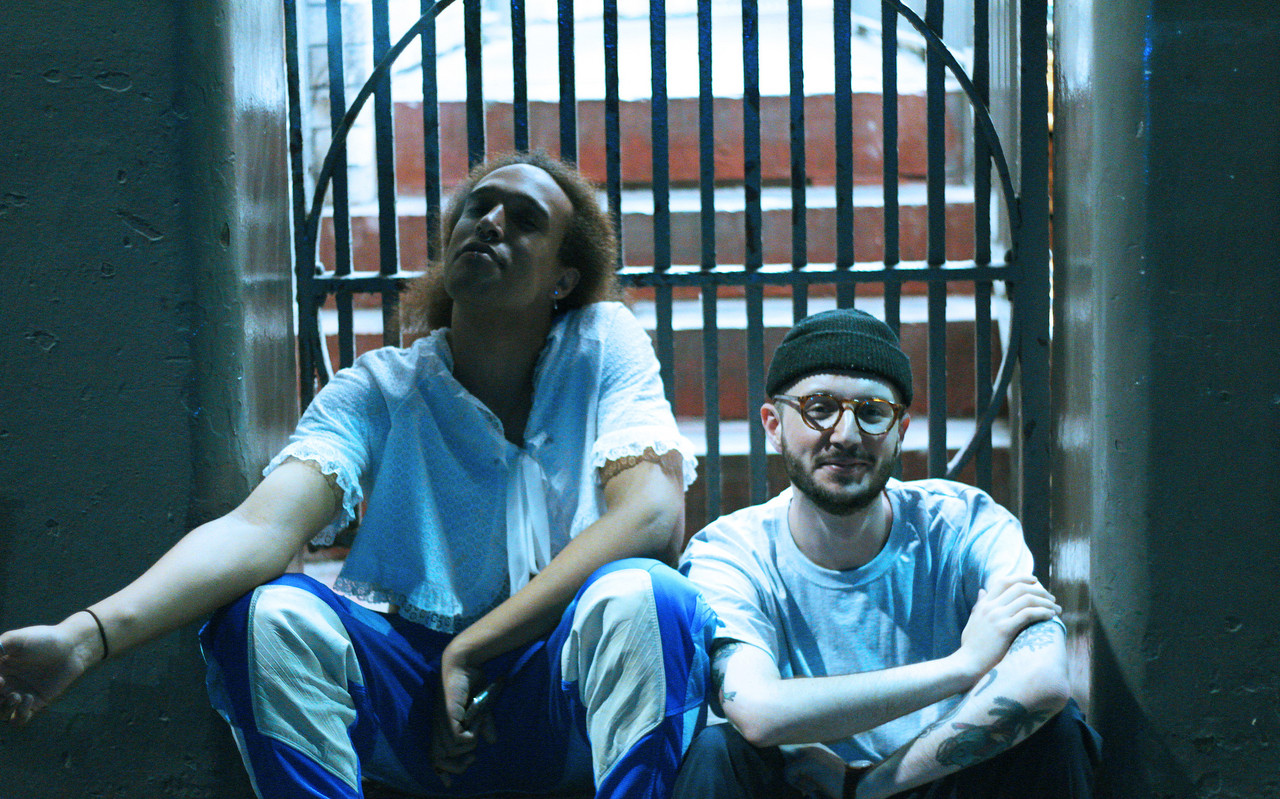

Manchester is a big city but its clubbing community is relatively small. Compared to Berlin, a city that constantly attracts new artists with its promise of cheap space and spare time, Manchester is not necessarily a hotspot for careerists – but that has arguably given rise to a different mentality, where local talent is both appreciated and guarded, and world-class DJs like Tom Boogizm manage to stay under the radar.
In dance music, the economics of the international touring circuit and the costs of putting on an event in an high-rent city have meant that the resident DJ has become a rare bird – even though it’s the clubs with established residents, like Berghain or Bassiani, that are celebrated for their special atmosphere and community feeling. In his essay ›Build Your Own Berghain,‹ techno and ambient DJ Chris SSG thinks about why the Berlin club became shorthand for techno excellence, and makes the claim that »it is hard to rival either the talent at Berghain’s disposal or the unique constellation of factors that have allowed for its creation and existence.« As he acknowledges, Berghain didn’t forge its success from its booking policy alone. Its dominance is also the result of structural factors that can’t be replicated – like the fact that the building, an enormous former power plant, has been owned by Ostgut Ton since 2011. If Berghain provides a model for success, it’s one of ownership and self-determination.
Cultivating a local scene means (re)engaging with bricks and mortar, licensing and planning laws, local government and institutions. It’s about material conditions and money. In recent years, and particularly during the pandemic when music communities have been dispersed and isolated, the sharp end of political discourse in the industry has focused on the problems of diversity, representation and inclusion. But this attention to who is seen, who is recognised, can end up displacing the deeper and more urgent work of addressing material injustices, leaving us with a sense of having »done politics« while having barely scraped the optics of the situation.
The economics of the international touring circuit and the costs of putting on an event in an high-rent city have meant that the resident DJ has become a rare bird.
Cultivating a local scene also means taking seriously the uneasy relationship between »us« and »the neighbours,« whose concerns about noise, drugs, and crime are better confronted than ignored. Sometimes this may involve fights against redevelopment and gentrification, including fighting on behalf of our neighbours. Sustainable artistic scenes must have a stake in the land, communities, and institutions that surround them.
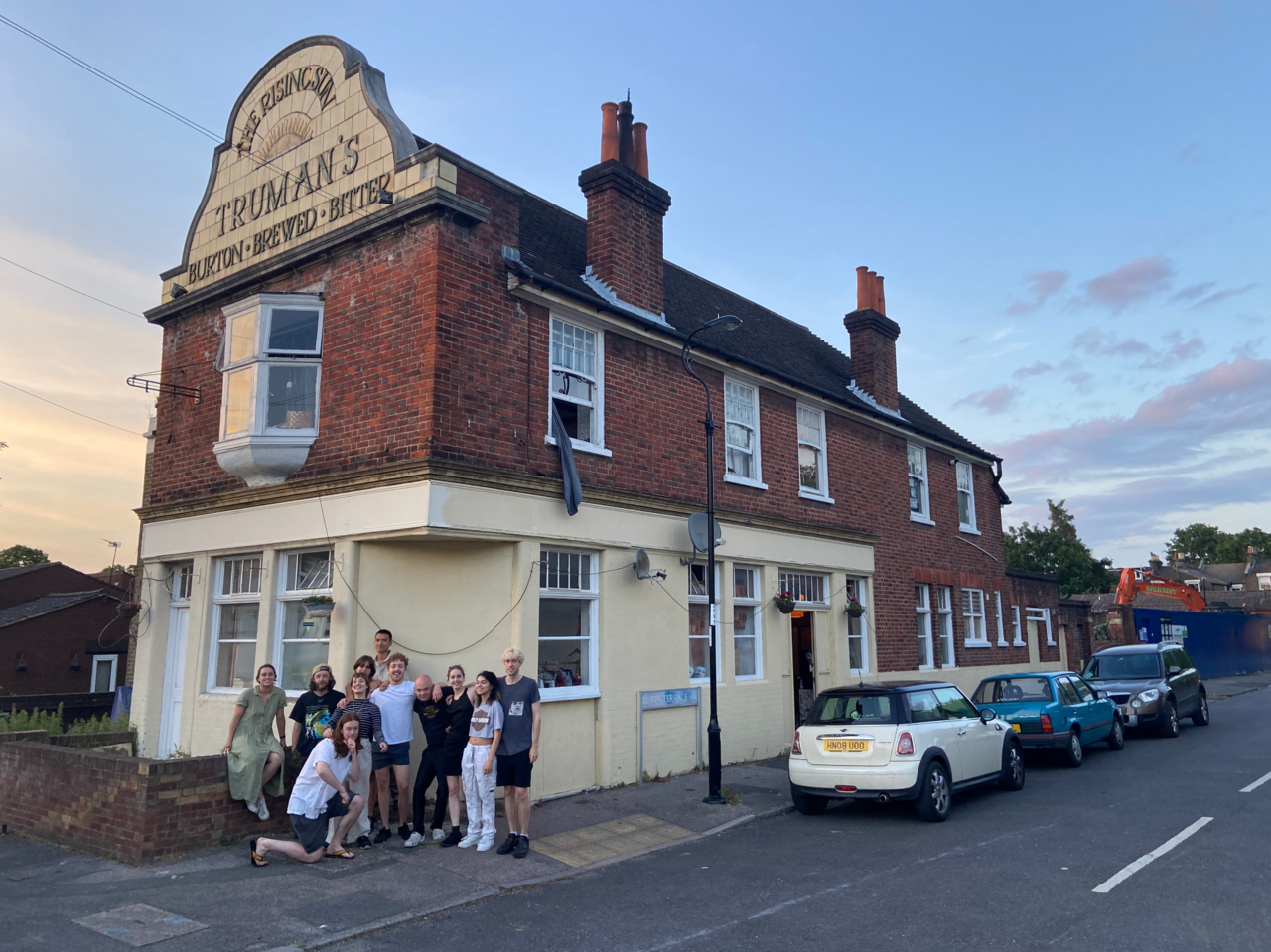
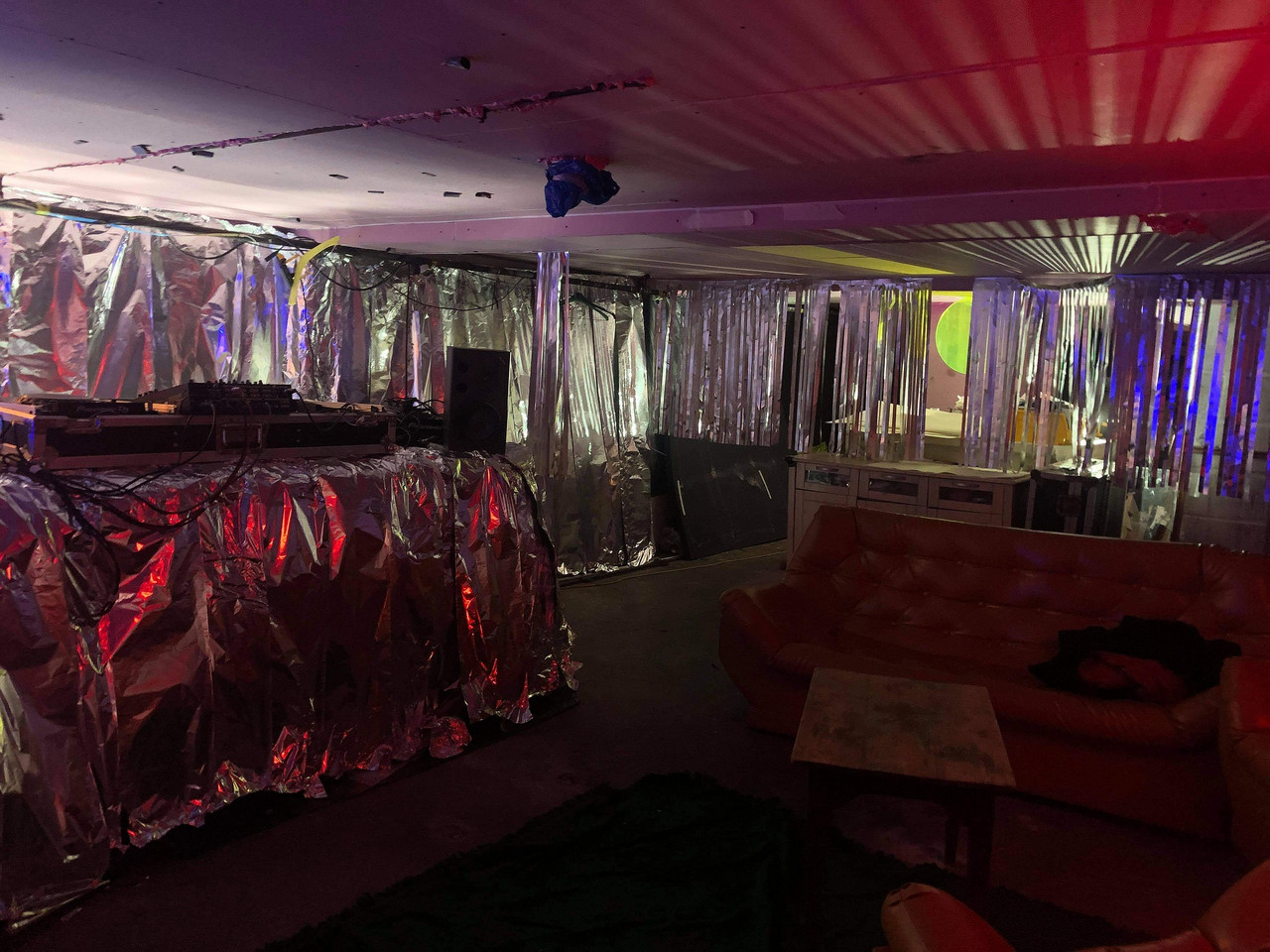
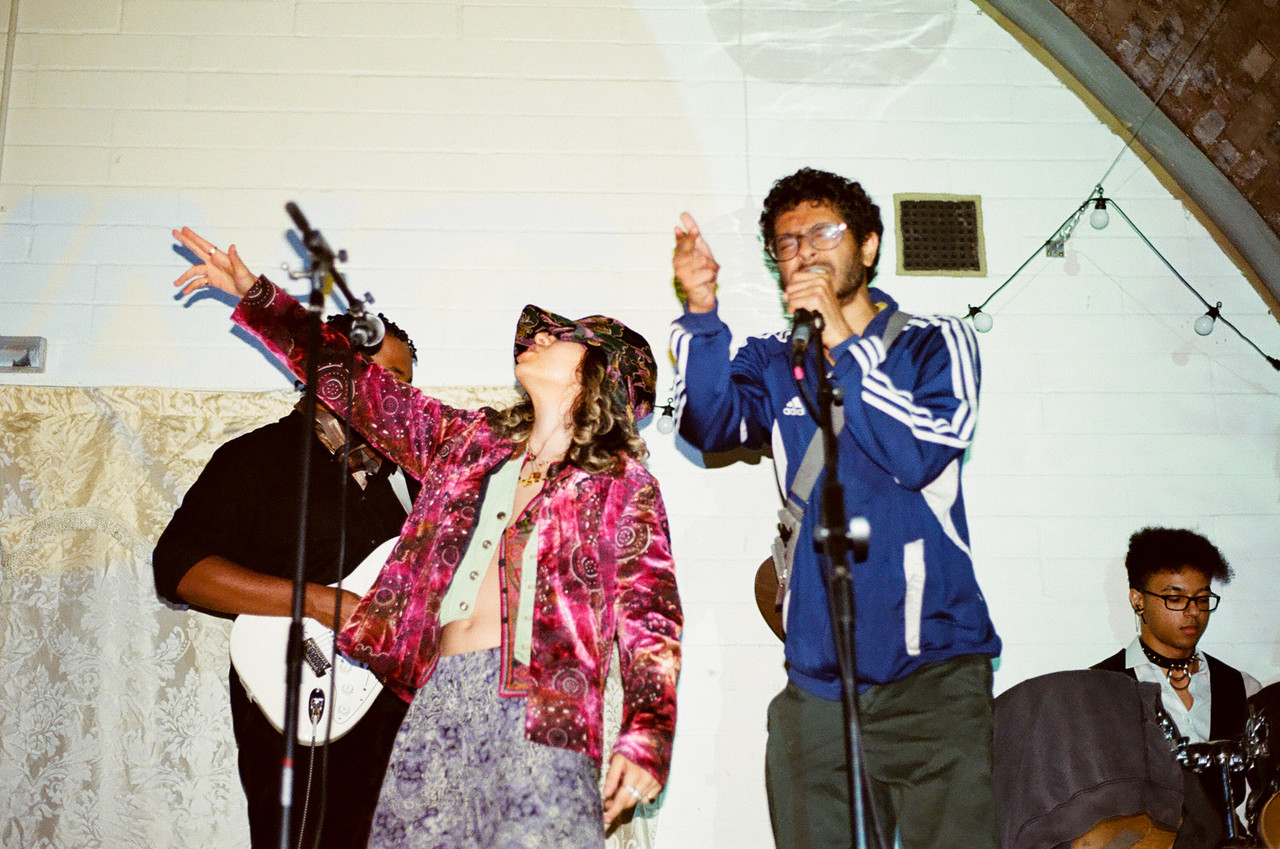
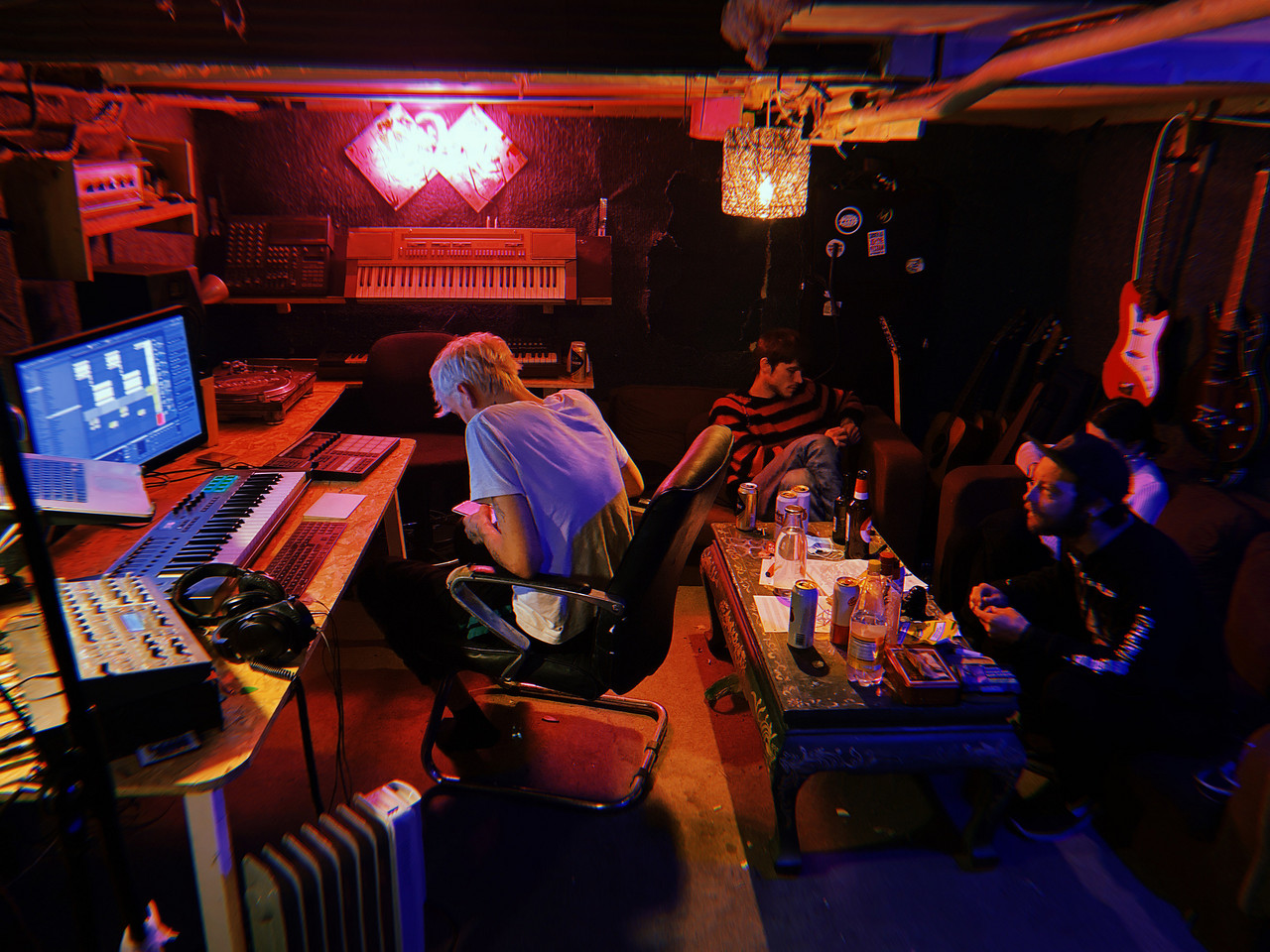
In south London, a group of artists and musicians are currently attempting to buy the former pub building that has been their privately rented home for five years. As tenants, the Rising Sun collective have built a low-budget studio and informal venue in their basement, which they use to host rehearsals and recording sessions for their own creative community; they’ve even hired the space out to major labels. Rather than let the building slip into the hands of developers, the tenants have set themselves up as a housing co-op and secured a mortgage on most of the building’s value.
»Venues have been shutting down at quite a rate in the last few years,« explains Scott Bowley, one of the tenant-musicians at the Rising Sun, »and this will have been accelerated by the pandemic. It’s more important than ever that we have alternative spaces for the creative community to come together. We’re not a venue, but we are a creative community space and a viable alternative to traditional nightclubs.«
To complete the deal, they are raising the rest of the money by offering loanstock to interested investors, who can expect a return of up to 3% if they’re willing to chip in at least £1000. Future residents will benefit from cheap rent as well as studio access – a dream combination in a city as prohibitively expensive as London. A flurry of media interest in the Rising Sun campaign demonstrates just how unusual their situation is. But why can’t we have more co-operative ventures like this, securing much needed cheap space and financial security for artists in big cities? All that’s needed is the right buildings – and the Rising Sun is nothing special, just a shabby old pub that needs double glazing. »The biggest hurdle was finding a space. If you can find a space that’s the trickiest part over,« says Scott.
With companies downsizing their offices and more people working remotely, there may be opportunities to take over prime locations. What will city centres be used for in the future if we’re shopping online and working from home? The abandoned precincts of late capitalism are ripe for rescue, with local authorities likely to be desperate for tenants of any kind to help plug their budgets. In their recent book The Case for Community Wealth Building, Joe Guinan and Martin O’Neill make the case for grassroots regeneration using examples from Cleveland, Ohio, and Preston, Lancashire, arguing that »the local can be both a site of resistance and a laboratory for the future.« The work of the Rising Sun collective, along with housing co-operatives and other local partnerships that prioritise joint ownership and governance, could be understood as an extension of »community wealth building.« In their vision, communities first gain democratic control over their local economies, and then use that control to make those economies more equitable. Guinan and O’Neill show how local authorities in Cleveland and Preston have changed the cities’ economies by bringing services in-house rather than contracting out public services to the lowest bidder. Perhaps it is possible to imagine a hyperlocal extension of this philosophy, in which arts venues are jointly owned rather than privately leased, where patrons of a club become members, with a stake in the project and a vote on how things are done.
Shifting focus to the local level can be extremely difficult. Mass media is global, the internet is ubiquitous, and we’re always caught up in world events beyond our own postcodes. But in a future fated to be marked by the chaotic wrecking of existing systems, we might as well think big about the tools we have to hand.
Chal Ravens is a music journalist from London who writes about electronic music and global club cultures for publications including The Wire, Pitchfork, Dazed, and The Face. She also produces podcasts for Novara Media, a left-wing media organisation in the UK.
This text was commissioned as part of CTM 2021 – Transformation.