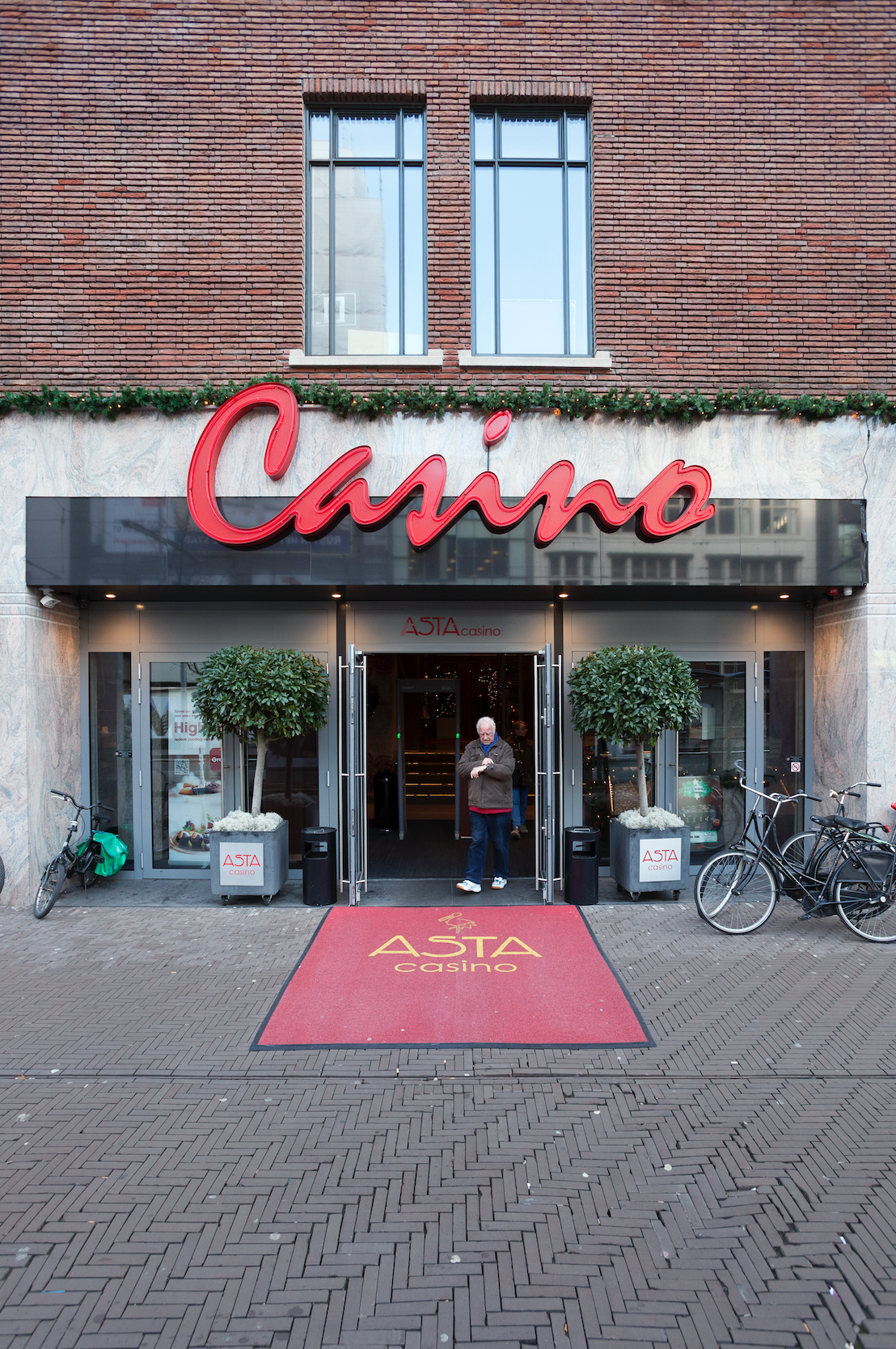
ASTA
The Hague, the Netherlands
Text by Tim Terpstra and Guy Tavares
The ASTA complex in The Hague’s city centre was built in the early 1920s and, a true monument of architectural design, became one of the most prestigious Dutch movie theatres. In 1996 the building was transformed into a commercial nightclub (home to superstar DJs such as Tiësto and thus sarcastically referred to as the »Asthma« by local scenesters). Since the early 1990s the ASTA and surrounding venues such as Voltage (a former Caribbean discotheque) and Iets Vrijers (the re-squatted former alternative music bar, Nastasta), played a defining role for both the local popular club culture and the myriad of small yet international innovative art and music movements. Due to drug, violence, and bankruptcy issues, the ASTA closed, reopening its doors several times until the lights permanently went out in 2009. In 2010 the TodaysArt festival joined forces with several cultural collectives to occupy the ASTA building, in a statement against the city’s new Anti-Squatting Law, as well as against proposed arts and culture budget cuts and other issues. Protesters criticised the city’s absurdly expensive plans to »redevelop« the nearby Spuiplein square by turning it into a megalomaniac cultural centre, hence also questioning The Hague’s dubious »European Capital of Culture 2018« candidacy. As many participated in the various activities organised immediately after the ASTA’s occupation, the fire department declared (by decree of the mayor) the building as unsafe for public use, though not long before it had been a fully-licensed enterprise that attracted large crowds. The squatters were forced to move out in a matter of days.
Left derelict and empty for a long time, the old cinema was finally »renovated« and a new casino opened its doors in 2013. And so the story of the ASTA ends – another typical example of the many visionless urban renewal plans in The Hague, plans that disregard any historical continuity, aesthetic value, and human-scale socio-economic and cultural activity.
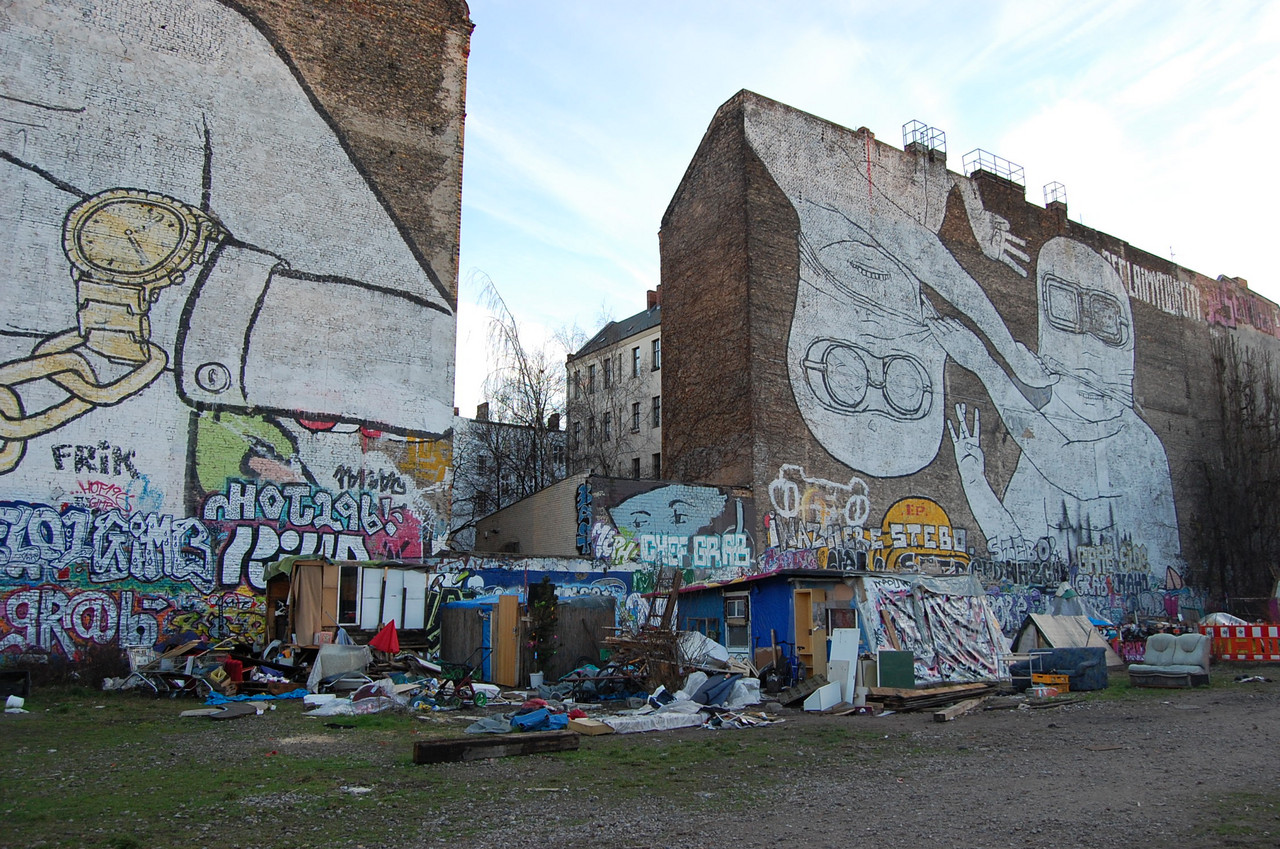
YAAM
Berlin, Germany
Text by Bianca Ludewig
Located at the site now occupied by the ARENA entertainment complex in Berlin, YAAM (Young African Arts Market) began in 1994 as an association for youth and culture. It quickly developed into a social fixture, a meeting place for artists, musicians, urban sports, and a leisure and recreation area. YAAM was forced to relocate after two years due to new plans for the ARENA site. After moving into its new home at the end of the nearby Cuvrystraße, the space hosted a three-day opening party, attended by 10,000 people. However, as it held an interim rental contract, YAAM was again forced to move in 1998; a shopping center was planned for the 9000 m2 lot, which was never built. The industrial building where the club used to be was eventually torn down, but any new construction plans for the site failed. Despite its long odyssey, YAAM continued to be an important place for Berlin culture until today, eventually landing at the Ostbahnhof. It must vacate this location in 2014 to move into a neighbouring building, which currently houses the techno club Magdalena.
Since 1999 the empty lot at Cuvrystraße has been used as an open air gallery and hangout spot by the Spree river. When, in 2012, the BMW Guggenheim Lab wanted to appropriate the location for six weeks with an art project, local protests were so intense that the Lab decided to locate in the Berlin-Mitte district instead. A new initiative evolved from the protests: Camp Cuvrystraße/Freie Cuvry Brache. As most activists left, new inhabitants moved into the Camp’s infrastructure: homeless people, dropouts, punks, and young idealists from all over the world that can’t afford the rent in their new hometown. In 2013 Camp residents began to build huts, intensifying construction in order to get ready for winter, and a small village emerged. One of the last free, non-commercial areas in Berlin, the Camp is constantly under menace of eviction. »We are still here and we want to stay!« reads their Facebook page. Since 2011 the site has been under the ownership of Nieto GmbH Munich, who plan the construction of flats and shops in 2015.
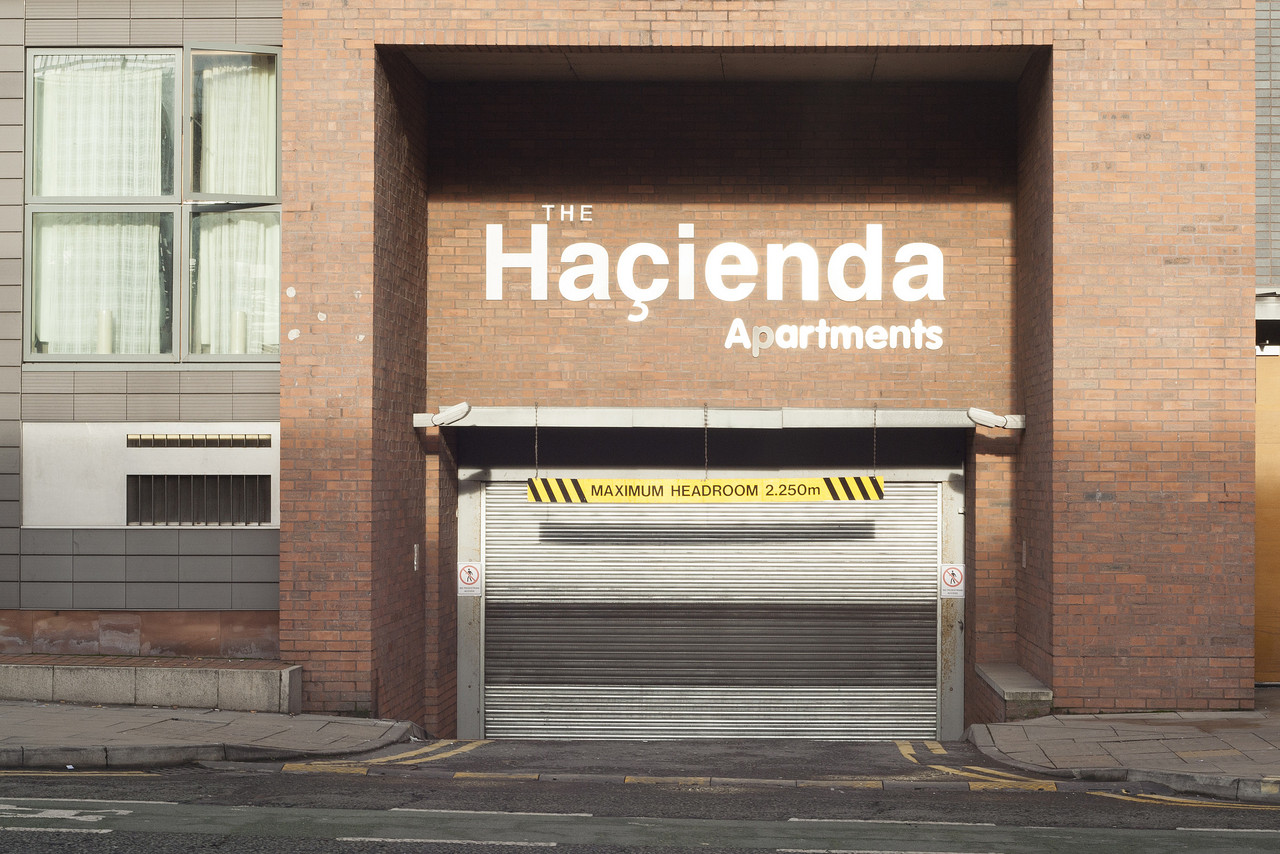
Hacienda
Manchester, Great Britain
Text by Michael Duffield
The iconic Hacienda nightclub opened in 1982, in a former yacht showroom in Manchester. Its interior, designed by Ben Kelly, used the industrial warehouse space in a way that set it apart from other nightclubs at the time. In its early years, it played host to performances by the likes of the Stone Roses, The Smiths, and bands signed to Factory Records, such as A Certain Ratio, the Durutti Column, and the Happy Mondays – but live music wasn’t profitable for the club. Before the end of the decade things started to change, with the introduction of regular club nights by DJs such as Mike Pickering, Jon Da Silva, and Dave Haslam, as well as with the arrival of the rave and acid house scenes. Ultimately the club was ruined by an invasion of rival drug dealers and the violence and money problems that followed in their wake. Despite the negative reputation it had developed, the Hacienda retained a strong community. It closed down in June 1997.
The building was sold-off and demolished for redevelopment in 1998. Various features of the Hacienda, even the brickwork, were sold at auction, and the proceeds donated to charity. The Hacienda meant a lot to people; they were not impressed by the apartment building that was built in its place. The property developer took the controversial decision to use the Hacienda name and the marketing was criticised as a clumsy attempt at linking two incompatible concepts. The most crass gesture the developer made arrived in the form of the advertising slogan »now the party’s over, you can come home,« which was displayed on fencings around the construction site.
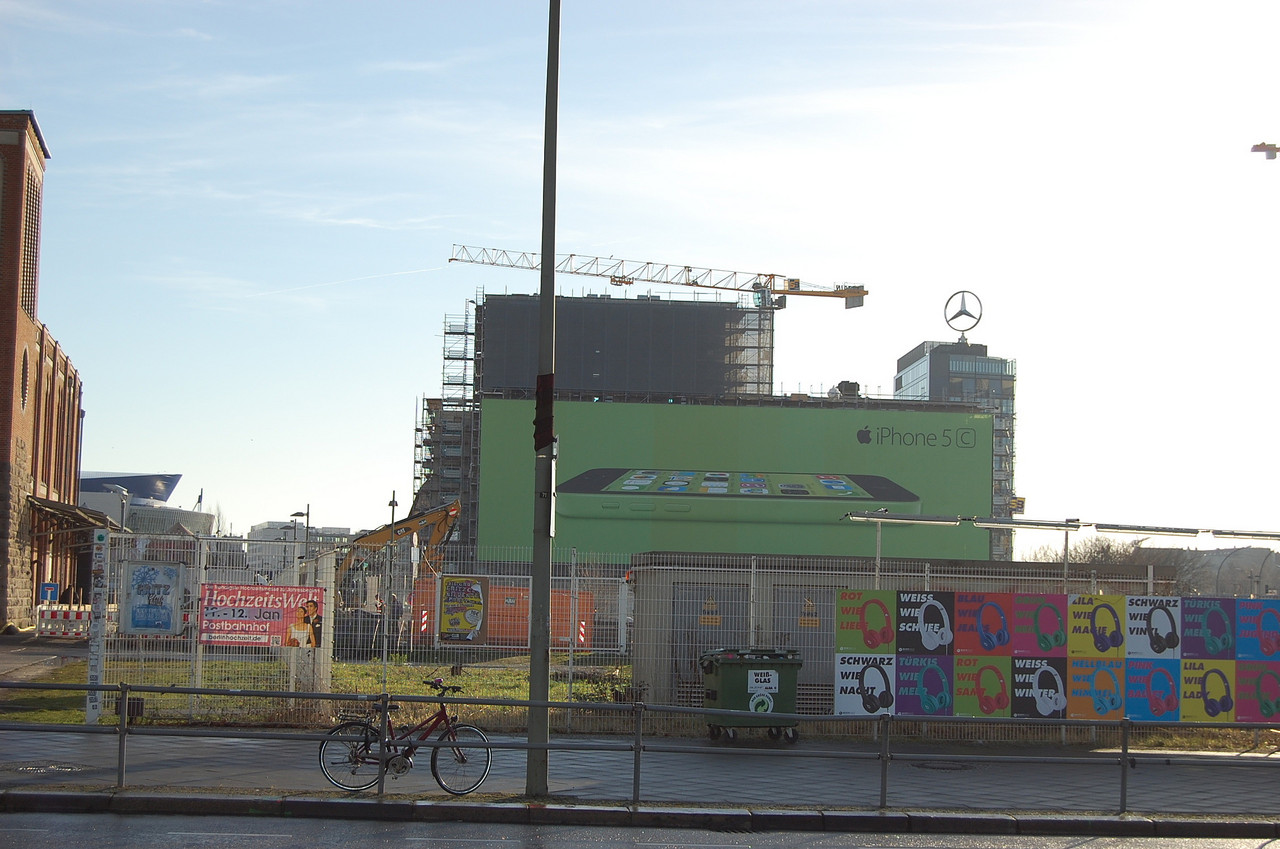
Maria am Ostbahnhof
Berlin, Germany
Text by Bianca Ludewig
Club Maria am Ostbahnhof started in 1998 at the Straße der Pariser Kommune 2, which was then a combination of an empty staircase and sorting facility building, and part of the former East German post office station and cargo/parcel collection point near Ostbahnhof. Maria am Ostbahnhof was home to various types of electronic and experimental music, but also held traditional concerts by influential artists and bands. The club was forced to close on 2 January 2002, due to urban development projects. It held an extensive New Year’s party leading up to its closure. The old building was demolished, but new construction plans were never realised, and the lot remains empty even today.
In 2003 Maria Club reopened in a nearby former boat engine manufacturing building. The empty building stood right at the river Spree, next to Schillingbrücke. The grounds and building were owned by the city of Berlin, who wanted to sell the property for use in the controversial investor construction project »Media Spree,« which envisioned a big hotel and office complex. The project’s start was delayed, but Maria Club decided to shut down instead of continuing for a limited time and with an insecure future. Other projects moved in since then, including Magdalena Club and ADS Club. As it turned out, the ground was contaminated and cleaning efforts were too expensive for investors. Surprisingly, the city decided to once again to rent the land and building to a cultural operator – this time to the YAAM which in 2014 faces eviction from their third home, currently next to one of Maria’s former homes. Club Maria am Ostbahnhof hosted CTM Festival eight times in its history (first in 1999, and then from 2003-2009).
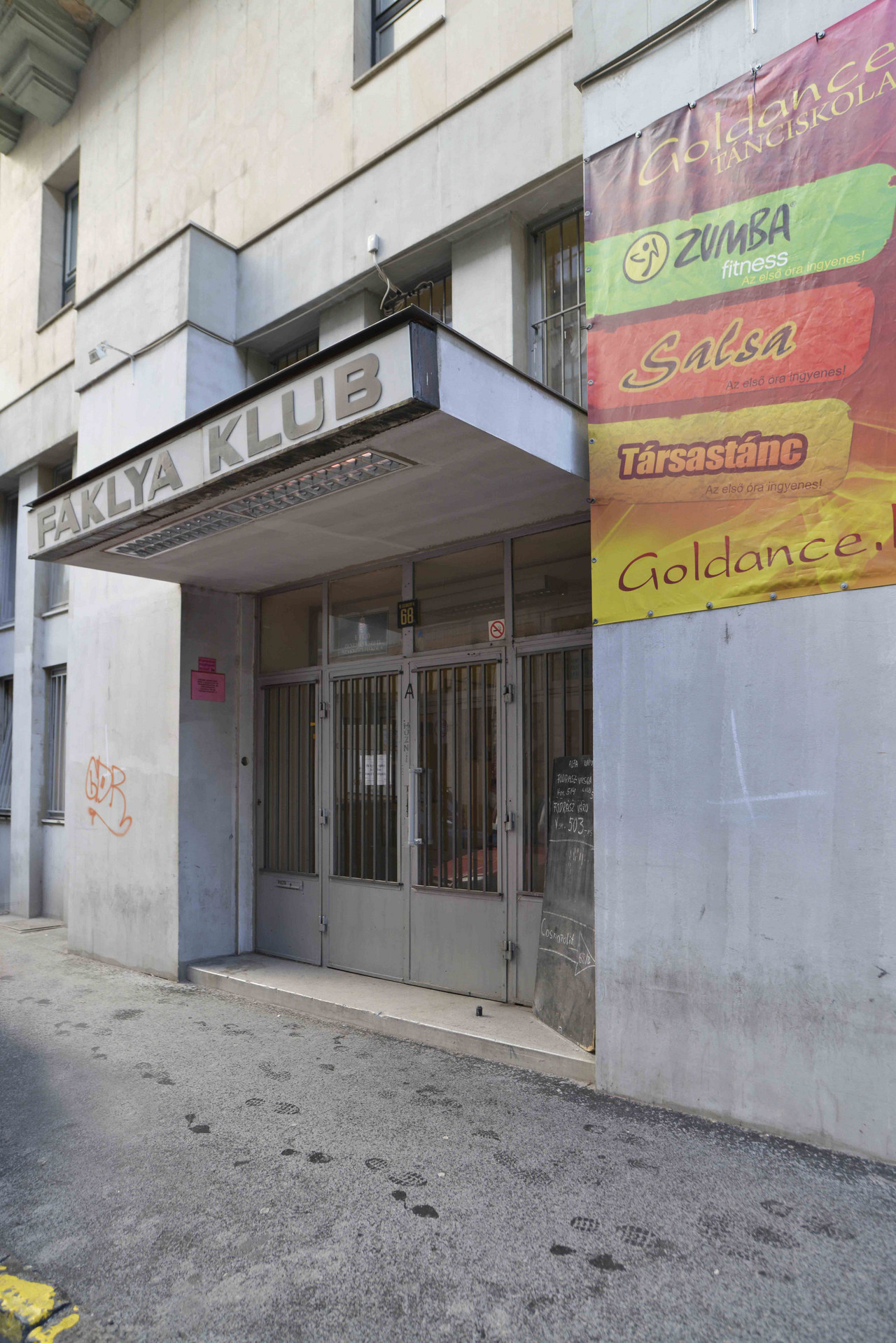
Fáklya
Budapest, Hungary
Text by members of the Ultrahang Festival
Once, at the beginning of the new millennium, I find myself at the Fáklya club, at some kind of industrial-techno-EBM party. The venue seems dark, sinister and decadent, harsh noise, pumping rhythms, constant smell and dense feel of smoke, no air, and no way to see three meters beyond. I pass by a side room, where I see a half-naked bald guy getting a new tattoo, just like that, on his bleeding head. I walk on, into the crowd.
Fáklya (meaning torch) is situated next to one of the main railway stations in central Budapest, and used to belong to the Socialist Regime’s network of Cultural Centres. For decades, such centres provided guided recreation to the working masses. Only programmes approved by the Communist party, responsible for the healthy development of »true communists, «could run here. Following the fall of Communism in Hungary, both the direct control of Cultural Centre programming, and state subsidies, disappeared. For the last twenty-three years, most such institutions could not find their role in the new landscape, as local governments attach no importance to culture, leaving it without resources and budgets. Hungary’s Cultural Houses thus stood abandoned and in decay. In the early 1990s, following the fall of the Socialist regime, techno events were mostly illegal and held on the outskirts of the city, in abandoned factories or as open airs on the hills of Buda (the western part of Budapest). The rise of Fáklya as an underground electronic music club in the mid-1990s captures the moment when techno music came downtown, securing a foothold, only to later become a trend for the masses.
As the local government gradually reclaimed control, it became impossible to continue holding wild raves in this residential area. Nowadays the place is some kind of cultural centre with halls and rooms available for rent, offering dance lessons for couples, and holding commercial retro parties, rock disco parties, or graduation events for high school students.
Zentrale Randlage
Berlin, Germany
Text by Bianca Ludewig
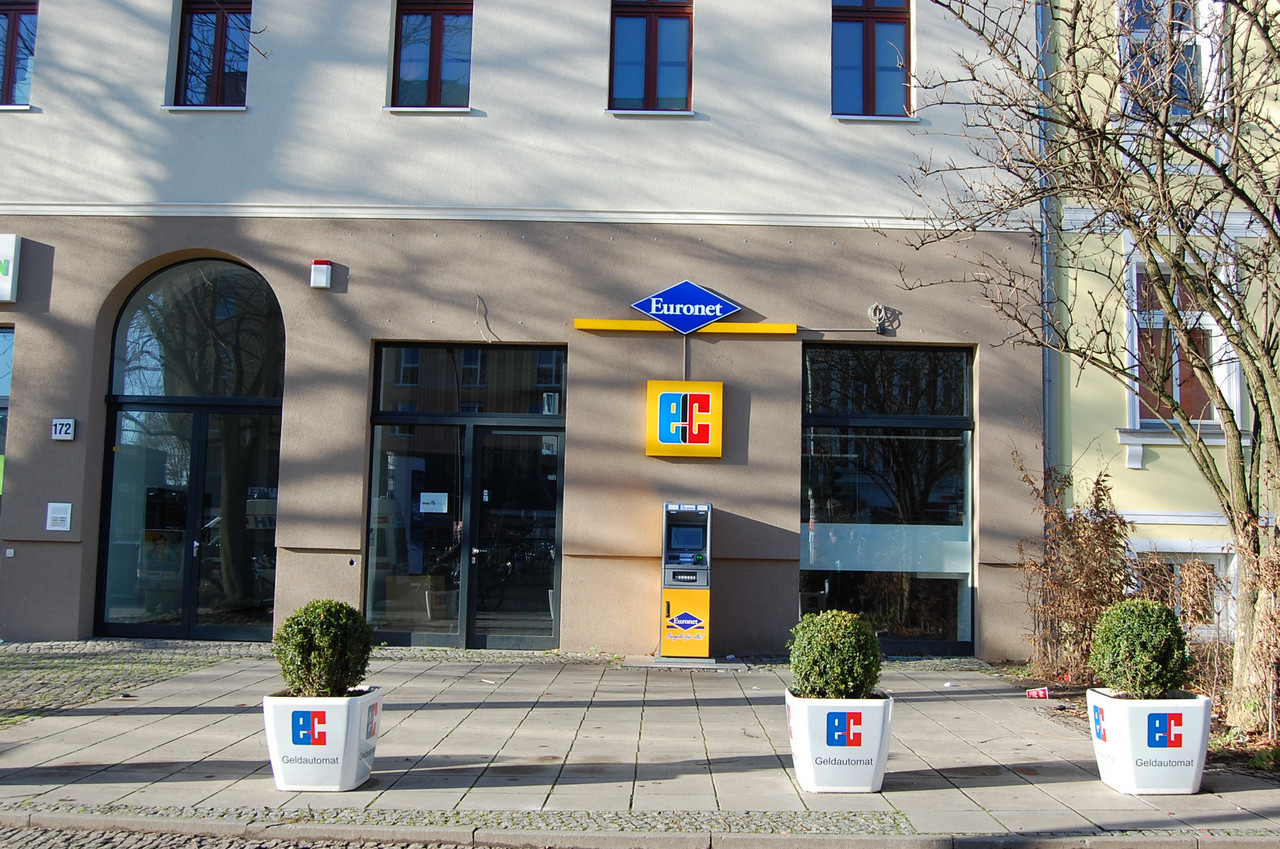
In 2003 the Zentrale Randlage venue opened on the ground floor of Schönhauser Allee 172, featuring select events and parties. Gradually it grew into a neighbourhood institution with a unique mixture of experimental art and music. As the residential area around Zentrale Randlage changed rapidly into a favoured district for new Berliners with high incomes, as well as for foreign investors, late-night dance parties were put to a stop due to pressure from condo owners and the police. New creative concepts evolved at the Zentrale Randlage from those negotiations, for instance presenting unique regular events that started earlier and combined arts, performance, film screenings, jam sessions, and music performances from breakcore to contemporary music. Other parts of the building were occupied by studios and rehearsal spaces of musicians such as Christiane Rösinger, Mediengruppe Telekommander, Puppetmastaz, Raz Ohara, or Jeans Team, all of whom also regularly frequented the club’s bar and stage. This contributed to the building’s evolution into an important platform and meeting point for the Berlin underground scene.
The notice of termination came unexpectedly in the summer of 2007; the former owners, who had been expropriated during the wartime period, had stepped up and claimed their property due to the right to restitution. Mediation talks with the help of the district’s administration regarding an interim usage did not succeed, as the property’s London owners did not want to make any compromises. Everyone had to move out by fall 2007, after which the building stood empty for two more years before plans for remodeling the space for commercial usage were realised. Half of the storefront remains unused today.
This text was originally published in CTM Magazine 2014 – Dis Continuity.