Dismantling Western Bias in Music Software and Music Education
Panel discussion with Deena Abdelwahed, Khyam Allami, Matana Roberts, Tero Parviainen
00:00
Moderator: Dahlia Borsche
00:00
OnlineWatch videoOffline
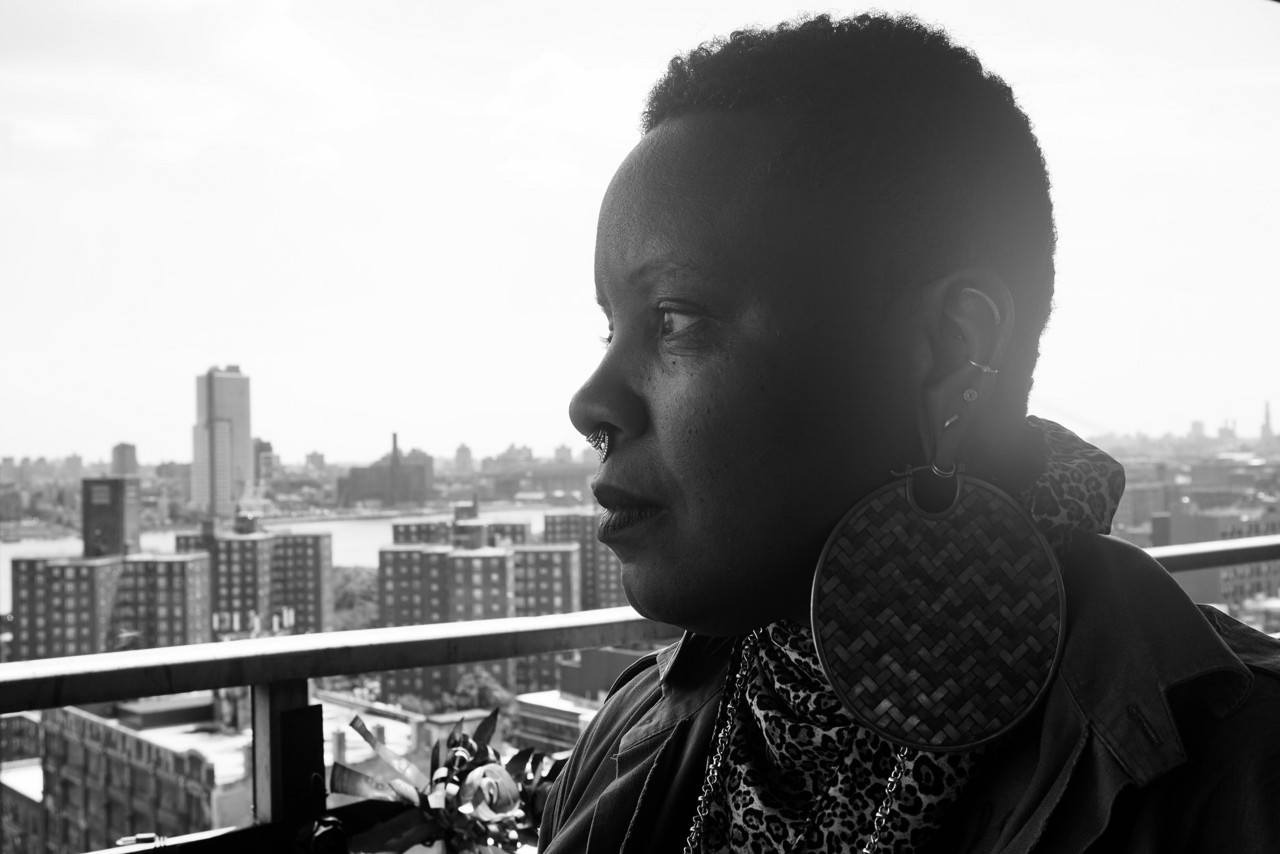
There is no such thing as neutral technology. Khyam Allami’s »Apotome« project, launched at CTM 2021, is a call to critically address and dismantle inherent cultural biases that are hard coded (and wired) into today’s digital and electronic music-making tools. What DAWs, synthesizers, audio effects, notation programs, or even AI- and machine learning models have in common is that they are almost all exclusively based on Western music theory and Western musical concepts.
Things could be different. Technologies could equally be applied to analyse non-Western musical systems and to compose non-Western sound worlds, yet these possibilities are rarely implemented, and when so, then mostly to mere symbolic effect. The hegemonic use of equal temperament and grid-based expression of rhythm that most pieces of technology impose have cemented cultural asymmetries, which restrict the creative possibilities of music makers from non-Western musical traditions and scenes. Yet they are also testimony to the normalization that the diversity of musical traditions of the West has been subjected to in recent history.
Cultural bias inscribed in technology mirrors the bias that runs through Western music theory, which to this day has not yet succeeded to address and dismantle its non-neutrality and the colonial framework that informed many of its canonical 19th century works. A critical decolonial review of available technology hence remains incomplete unless we also discuss the underrepresentation of non-Western musical systems and knowledge in professional music education, and start to fully embrace the reciprocal flow of influences and ideas across the globe. Which structural and technological changes are necessary to allow for more liberated, creative, and culturally balanced processes of music-making? Is expanding the musical canon enough? Or should we criticise the idea of a canon altogether, as in essence canonizing any piece of knowledge always represents a power relation that is prone to (re)produce privilege and control? Should we not rather focus on the relational character of all creative processes and their value to us, first of all emphasizing the unique ways creativity connects and responds to our times and contexts?